Social sailing events range from free 30-minute community rides to week-long flotillas with shared dinners, and knowing which format fits your situation makes all the difference. The most common examples of social sailing events include club social sails and twilight sails, flotillas and rallies, social regattas with post-race parties, skill clinics and workshops, free community sailing days, raft-ups and anchor parties, et themed onshore socials and holiday boat parades. Here’s a quick snapshot of each:
- Club social sails / twilight sails: 2–3 hours, all skill levels, bring a light layer and a snack to share.
- Flotillas and rallies: 4–8 hours or multi-day, beginner-friendly with a lead skipper, bring shatterproof glasses and a folding stool for the pontoon party.
- Social regattas / post-race socials: 2–4 hours racing plus 1–2 hours ashore, intermediate sailors welcome, bring your club membership card.
- Clinics, workshops, and lectures: 2–4 hours, beginner to intermediate, bring a notebook and questions.
- Free community sailing days: 30 minutes per ride, zero experience required, life jackets supplied, just bring a signed waiver.
- Raft-ups and anchor parties: 3–5 hours, experienced crew preferred for boat handling, bring food to share and ask before stepping across another boat’s deck.
- Themed onshore socials and holiday parades: 2–4 hours, all levels, bring a costume or decoration and a dish to pass.
Community Sailing Centers across the U.S. use these formats as low-barrier on-ramps, supplying life jackets and volunteer skippers so cost and experience never have to be the reason someone stays ashore. The U.S. Coast Guard sets the baseline for required onboard safety equipment at every event, regardless of format.
Table des matières
- What are the main types of social sailing events?
- How do you find and sign up for social sailing events near you?
- How to organize a social sailing event: your planning checklist
- Safety, accessibility, and basic U.S. legal considerations
- Principaux enseignements
- Why social sailing is the best on-ramp to a life on the water
- Ready for a social sailing experience that’s already organized for you?
- Useful sources and calendars to find social sailing events
What are the main types of social sailing events?
Each format below has its own rhythm, crowd, and social payoff. Knowing what to expect helps you pick the right one to join or model when you’re planning your own gathering.
| Event Type | Skill Level | Typical Duration | Usual Cost |
|---|---|---|---|
| Club social sail / twilight sail | Tous les niveaux | 2–3 hrs | Free to member-price |
| Flotilla / rally | Beginner+ | Half-day to multi-day | Small fee or shared costs |
| Social regatta + post-race social | Intermédiaire | 2–4 hrs + social | Member fee or entry fee |
| Clinic / workshop / lecture | Beginner–intermediate | 2–4 hrs | Free to modest fee |
| Free community sailing day | Aucune expérience requise | 30 min per ride | Free |
| Raft-up / anchor party | Experienced crew | 3–5 hrs | Shared food/drink costs |
| Themed onshore social / holiday parade | Tous les niveaux | 2–4 hrs | Free or potluck |
-
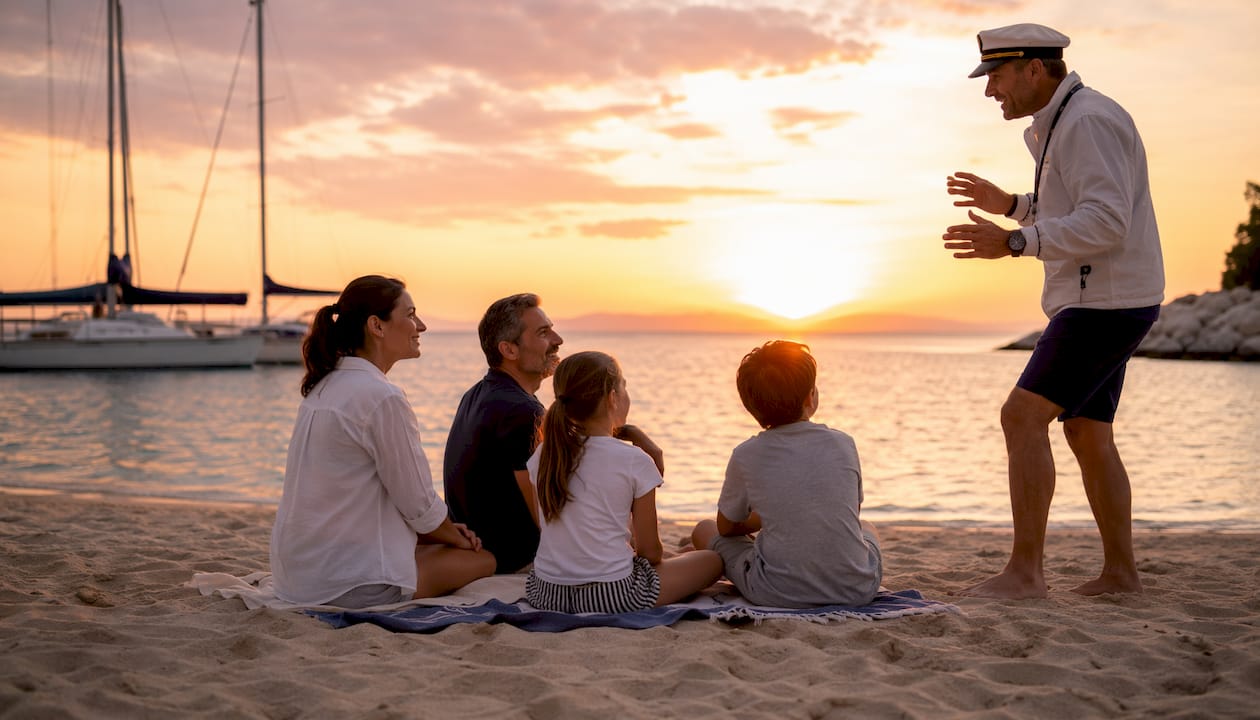
Club social sails and twilight sails. These are the backbone of most American sailing clubs. SCOW’s calendar lists Thursday evening social sails with clear RSVP instructions, raft-ups, and bay activities for members and guests. Clubs typically run a patrol boat alongside, and the evening wraps up at the clubhouse with pizza or a barbecue. What to bring: a warm layer, a snack to share, and your club card.
-
Flotillas and rallies. Multiple boats sail together toward a shared destination, and the real event is what happens when you all tie up. Rallies prioritize the post-sail social so thoroughly that success is measured by the quality of the pontoon party rather than speed. Beginner-friendly because a lead skipper sets the pace. What to bring: shatterproof stemless glasses and a small folding stool, since cockpit space is limited and spare glassware runs out fast.
-
Social regattas and post-race socials. Racing gives the afternoon structure; the post-race gathering is where the friendships actually form. Nantucket Community Sailing runs regattas that connect participants to the water across all experience levels, from first-timers to competitive sailors. What to bring: your crew assignment confirmation and a willingness to crew for someone you’ve never met.
-
Clinics, workshops, and lectures. Skill-building wrapped in a social format. Nantucket Community Sailing offers women’s clinics and small-group instruction alongside its broader program calendar. These sessions usually run 2–4 hours and pair well with a casual lunch afterward. What to bring: a notebook, sunscreen, and specific questions.
-
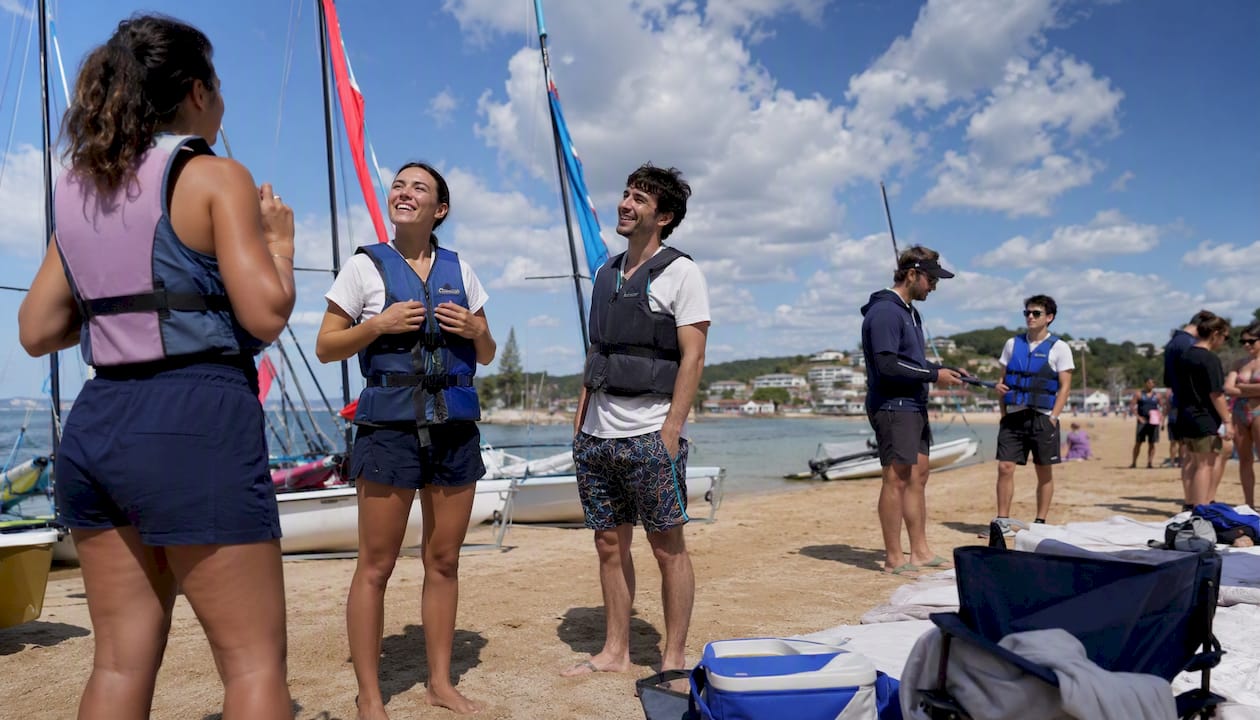
Free community sailing days. Minneapolis Sailing Center’s Free Sailing Sunday pairs participants with 23-foot Pearson Ensign keelboats for 30-minute rides, no experience required, life jackets supplied, no reservation needed. The Conanicut Island Sailing Foundation runs a similar program on Wednesday evenings in summer, with an instructor on every boat. What to bring: a signed liability waiver and comfortable shoes.
-
Raft-ups and anchor parties. Boats anchor together in a protected cove, and the party moves across decks. Etiquette matters here: always ask before walking across another boat to reach an outer vessel, and keep your soles off teak decks unless the owner says otherwise. What to bring: a dish to share and a fender or two if you’re hosting.
-
Themed onshore socials and holiday boat parades. From Fourth of July light parades to Halloween costume sails, these events are pure fun and the easiest entry point for non-sailors. All skill levels welcome, and the organizing club usually handles logistics. What to bring: decorations, a themed dish, and your best costume.
-
Day-cruising programs. Nepean Sailing Club’s Social Day-Cruising program provided 300 crew spots across 16 flotillas in a single season, including organized post-sail parties and competitions. This format is perfect for sailors who don’t own a boat but want regular on-water time with a social payoff.
-
Gamified fun sails. Events like the FWSA Rubber Ducky FUN Sail combine on-water challenges with structured post-sail social time at waterfront venues. Bingo, balloon-boat contests, and scavenger hunts break the ice fast and keep the energy high well past the dock.
Conseil de pro : When you arrive at any social sail as a new face, introduce yourself to the skipper before you introduce yourself to the crew. Skippers remember who made their job easier, and that’s your fastest route to a regular crew spot.
How do you find and sign up for social sailing events near you?
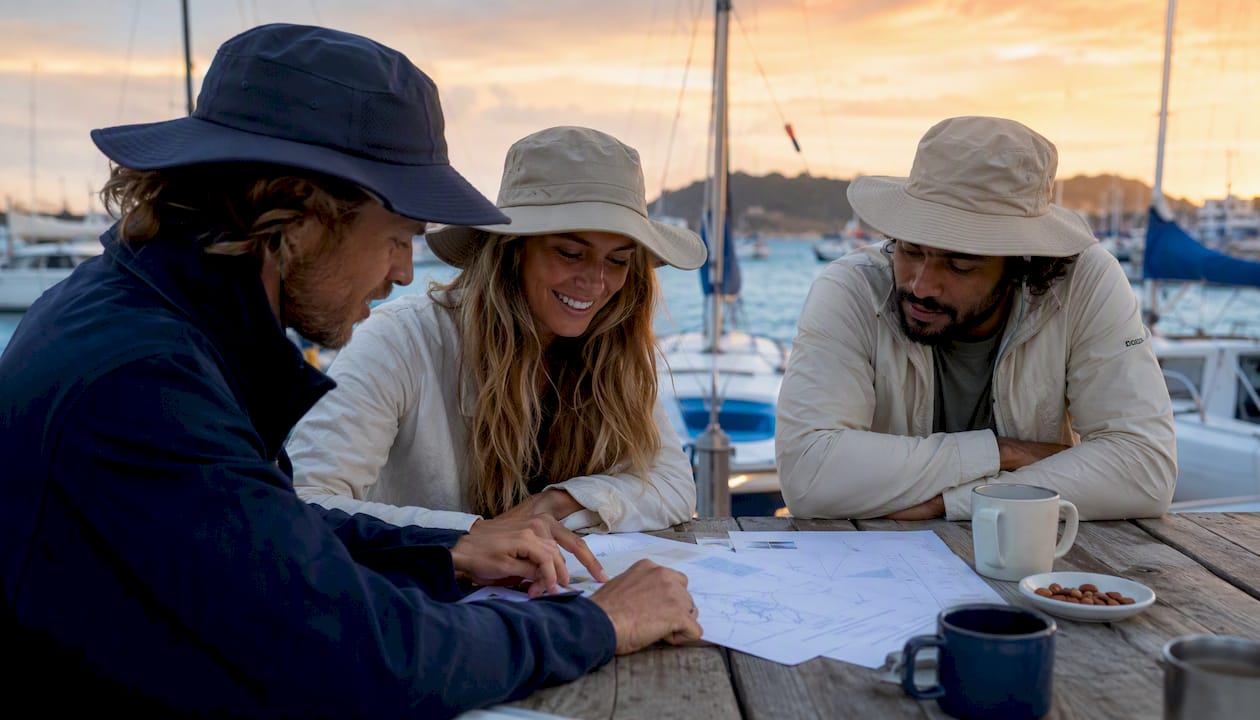
The quickest route is a club calendar, not a general social app. Club and community sailing center websites list events with safety details, skill-level markers, and RSVP contacts that a generic meetup listing simply won’t include.
Where to look:
- Club event calendars. The Sailing Club of Washington publishes recurring weekly and monthly events with contact info and RSVP instructions. Search for your nearest yacht club or sailing club and look for a “Calendar” or “Events” tab.
- Community sailing centers. Organizations like Hudson River Community Sailing and Nantucket Community Sailing post open-access programs, free sails, and clinics on their websites. These are especially good for beginners.
- Volunteer skipper programs. Many clubs actively recruit crew for social sails. Look for listings that say “crew welcome” or “no experience required.”
- Meetup groups and Facebook sailing groups. Useful for finding informal raft-ups and anchor parties, but always verify safety details directly with the organizer before committing.
How to sign up, step by step:
- Check the event listing for skill-level language: “no experience required,” “patrol boat present,” and “crew welcome” are green lights for newcomers.
- Complete any required liability waiver before the event date, not at the dock.
- Get sized for a life jacket in advance if the club doesn’t supply them, or confirm that loaners are available.
- RSVP via the club’s digital sign-up form or email contact. Headcounts matter for safety planning and catering.
- Arrive 15–20 minutes early for the safety brief. Missing it can get you pulled from the crew list.
- Bring your confirmation, a photo ID, and your club card if applicable.
How to organize a social sailing event: your planning checklist
Good social sailing events don’t happen by accident. The ones people talk about for weeks afterward are deliberately designed, from the seating layout on deck to the shared meal ashore.
Planning timeline
- 6–8 weeks out: Confirm venue and marina access, check club insurance coverage, assign a safety officer and patrol boat, set an RSVP cap, and open your digital sign-up form. Collect dietary needs, emergency contacts, skill level, and whether participants will contribute to shared food costs. Many organizers skip that last item and end up with confusion at the dock.
- 2–3 weeks out: Send event details and a packing list to all registrants, confirm patrol boat availability, finalize food and refreshment plan, and arrange waste disposal.
- Week of: Send a weather-contingency note, confirm headcount, brief your safety officer, and prepare a printed crew list with emergency contacts.
- Jour du : Run a 10-minute safety brief before departure, assign roles (host, skipper, safety officer, social lead), and set a clear return time.
Sample agendas
Short social sail (approx. 90 minutes)
| Heure | Activité | Fonction |
|---|---|---|
| — | Arrival, life jacket fit, safety brief | Safety officer |
| — | Introductions and icebreaker on dock | Social lead |
| — | Sail (skipper sets easy, relaxed pace) | Skipper |
| 1:15–1:30 | Return, dock, debrief | Host |
| — | Onshore snacks and informal chat | Tous |
Flotilla and shared dinner (approx. 4–6 hours)
| Heure | Activité | Fonction |
|---|---|---|
| — | Skipper briefing, safety check, boat assignments | Safety officer + host |
| — | Flotilla sail to destination | Lead skipper |
| — | Raft-up or dock, icebreaker activity | Social lead |
| — | Shared meal or pontoon party | Tous |
| 4:30–5:30 | Return sail | Lead skipper |
| — | Debrief and next-event announcement | Host |
Icebreakers that actually work
Practitioners at Hey Captain point out that seating arrangement is one of the most underused social tools on a boat. Arranging seats to face inward rather than outward nudges strangers into conversation before the sail even starts. Pair that with one structured icebreaker and you’ve done most of the social work before you leave the dock.
- Logo bingo: participants spot brand logos on passing boats and mark their cards.
- Balloon-boat building: teams build a mini “boat” from balloons and race them across a bucket of water.
- Scavenger hunt: find five things on the boat you’ve never noticed before.
- Two truths and a nautical lie: a sailing-themed twist on the classic.
- Crew trivia: quick questions about sailing terms, answered in pairs.
Pour hospitality-focused events, the same design principles apply: intentional seating, a clear social anchor point (the shared meal), and a host who circulates rather than stays at the helm.
Conseil de pro : When onboarding inexperienced crew, pair each newcomer with a returning member for the first 20 minutes. It removes the “I don’t know what to do with my hands” anxiety and creates an instant social bond that carries through the whole event.
Safety, accessibility, and basic U.S. legal considerations
Safety at social sailing events follows U.S. Coast Guard requirements, and those requirements apply whether you’re running a casual twilight sail or a 16-boat flotilla. The brief version: every participant needs a properly fitted life jacket, the skipper needs a working VHF radio or a clear phone plan, and someone needs to have checked the weather within two hours of departure.
Safety checklist for organizers and attendees:
- Life jackets for every person on board, sized and fitted before departure.
- VHF radio or confirmed phone communication plan between boats.
- Weather check within 2 hours of departure; cancel or delay if conditions are marginal.
- Patrol boat or buddy-boat presence for events with multiple vessels or inexperienced crew.
- First aid kit on board and a designated safety officer who knows how to use it.
- Clear return time communicated to marina management and all skippers.
Accessibility reminders:
- Note boarding assistance options in your event listing. Not every participant can step easily from a dock to a cockpit.
- Communicate clearly about mobility constraints in your sign-up form so skippers can plan accordingly.
- Community sailing programs that supply life jackets and volunteer skippers remove the two biggest access barriers for first-timers.
Legal and administrative basics:
Liability waivers are standard at U.S. sailing events, and most clubs carry their own insurance that covers organized activities. For large raft-ups at public anchorages, check with marina management about permit requirements. This is general information, not legal advice; confirm current requirements with your club’s insurance provider or a qualified maritime attorney.
Regulation note: The U.S. Coast Guard is the primary safety and regulatory reference for all recreational boating in the United States. Check your club’s event page for stated equipment requirements, and review USCG recreational boating safety guidance before organizing any on-water event.
Conseil de pro : Post the safety brief as a short written summary in your sign-up confirmation email. Participants who read it in advance ask better questions at the dock and feel more confident boarding.
Principaux enseignements
Social sailing events work best when you match the format to your skill level, show up prepared, and contribute to the shared experience that makes everyone want to come back.
| Point | Détails |
|---|---|
| Match event to skill level | Look for “no experience required” or “crew welcome” in listings before you sign up. |
| RSVP and complete waivers early | Headcounts drive safety planning; missing a waiver can pull you from the crew list. |
| Bring a basic personal kit | A warm layer, shatterproof glasses, and a dish to share cover most social sailing formats. |
| Design for interaction | Inward-facing seating and a structured icebreaker convert strangers into repeat crew. |
| Sailarmada for turnkey group sails | Sailarmada’s flotilla-style group holidays deliver the social sailing experience without local organizing. |
Why social sailing is the best on-ramp to a life on the water
Social sailing isn’t just a fun afternoon. It’s the primary way most sailors find their community, their crew, and eventually their confidence to go further. Community sailing centers have understood this for years, removing cost and experience barriers through free programs, volunteer skippers, and inclusive initiatives like “Women in Wind” and youth scholarships. The result is a genuinely open door, not just a marketing claim.
What strikes me about the best social sailing events is how deliberately they’re designed. The seating layout, the shared meal, the icebreaker on the dock: none of it is accidental. The clubs and centers that run the most successful programs treat social interaction as something you engineer, not something you hope happens. That’s a lesson worth carrying into any group sailing experience, whether you’re organizing a Thursday twilight sail or booking a week-long flotilla in the Mediterranean.
Sailarmada’s vacances en groupe à la voile apply exactly this logic at a larger scale. The itinerary is the structure; the shared anchorages, the onboard dinners, and the multi-yacht company are the social payoff. If you want to understand why social sailing builds lasting community, spend a season attending local club events and then take one week-long flotilla trip. The difference in depth of connection is hard to overstate.
Ready for a social sailing experience that’s already organized for you?
Local club events are a great way to get your feet wet, but if you want the full social sailing experience without the planning overhead, Sailarmada’s group and flotilla holidays are built for exactly that. You get a curated itinerary, an experienced skipper, a handpicked group of fellow sailors, and the kind of shared moments that local twilight sails can only hint at: sunrise swims off a catamaran in Greece, shared dinners in a Croatian harbor, a flotilla of boats moving together through crystal-clear water.
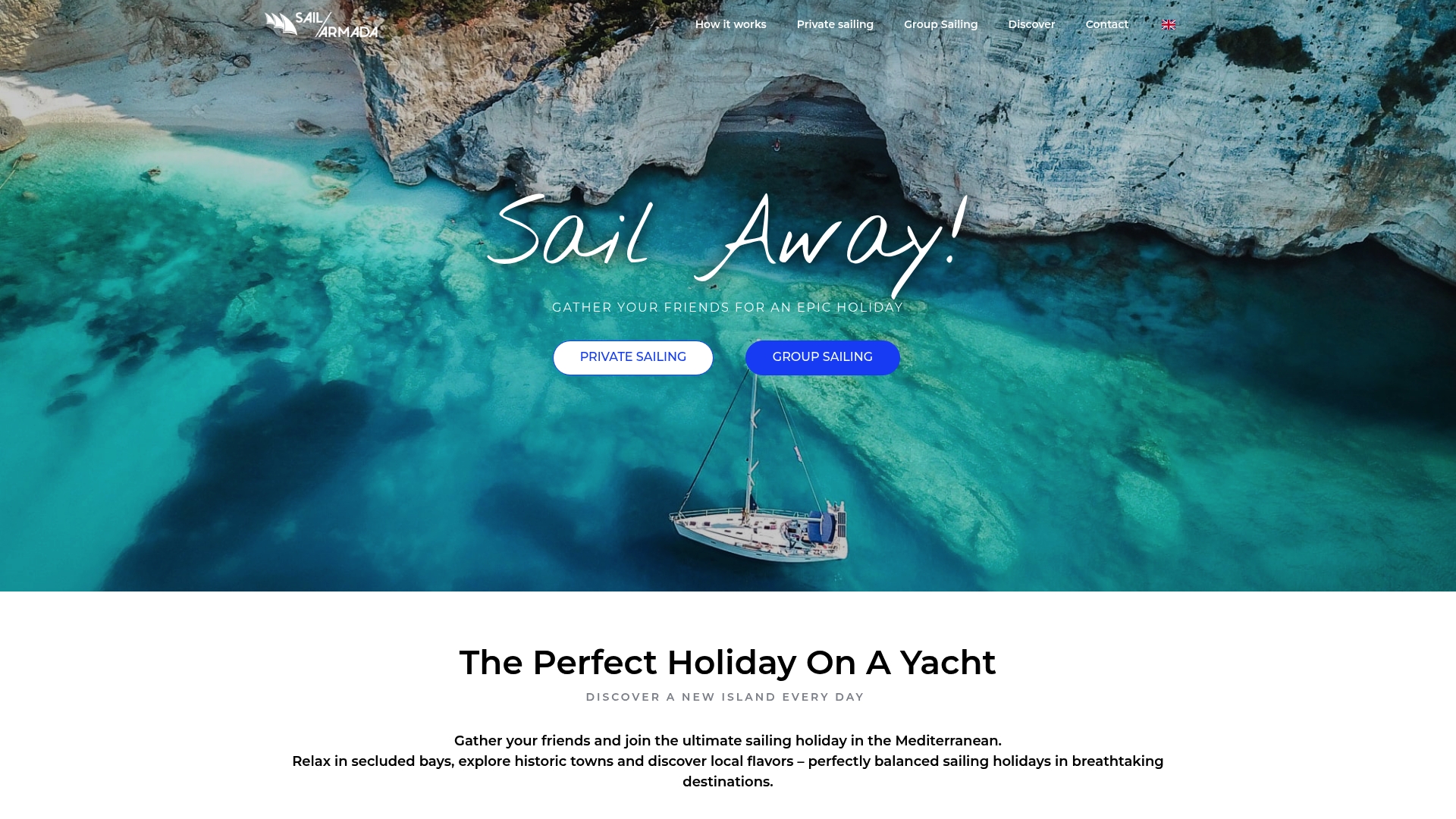
Sailarmada runs both séjours de voile privés et en groupe across the Mediterranean and beyond, with flexible departure dates and a choice of yacht or catamaran. Whether you want to join an existing group or book a private charter for your own crew, the social architecture is already built in. Check available dates and explore group sailing options to find a trip that fits your schedule and your crew.
Useful sources and calendars to find social sailing events
These are the most reliable places to find real event listings, club calendars, and community programs across the U.S.
- Minneapolis Sailing Center — Free Sailing Sunday: Every third Sunday, June through September, free 30-minute rides on Bde Maka Ska, no experience or reservation required.
- Conanicut Island Sailing Foundation — Free Sailing: Wednesday evenings in summer, 4:30–6:30 PM, Fort Getty Boat Ramp, instructor on every boat.
- Sailing Club of Washington — Socialize with Sailors: Recurring weekly social sails, raft-ups, and crewing opportunities with RSVP and contact details.
- Community Sailing Center: Model for inclusive community sailing programs, including “Women in Wind” and youth scholarship initiatives.
- Hudson River Community Sailing: Non-profit youth development and community sailing in New York City, with open programs for adults.
- Nantucket Community Sailing: Programs for all ages and skill levels, including women’s clinics, regattas, and rentals.
- Sailarmada Group Sailing Holidays: Curated flotilla and group sailing packages in the Mediterranean for those who want a fully hosted social sailing experience.
| Source | Idéal pour |
|---|---|
| Minneapolis Sailing Center | Free community rides, no experience needed |
| Conanicut Island Sailing Foundation | Summer evening free sails with instructors |
| Sailing Club of Washington | Weekly club social sails and raft-ups |
| Community Sailing Center | Inclusive programs and volunteer skipper models |
| Hudson River Community Sailing | NYC-based open community programs |
| Nantucket Community Sailing | Multi-format programs including clinics and regattas |
| Sailarmada | Turnkey group and flotilla sailing holidays |