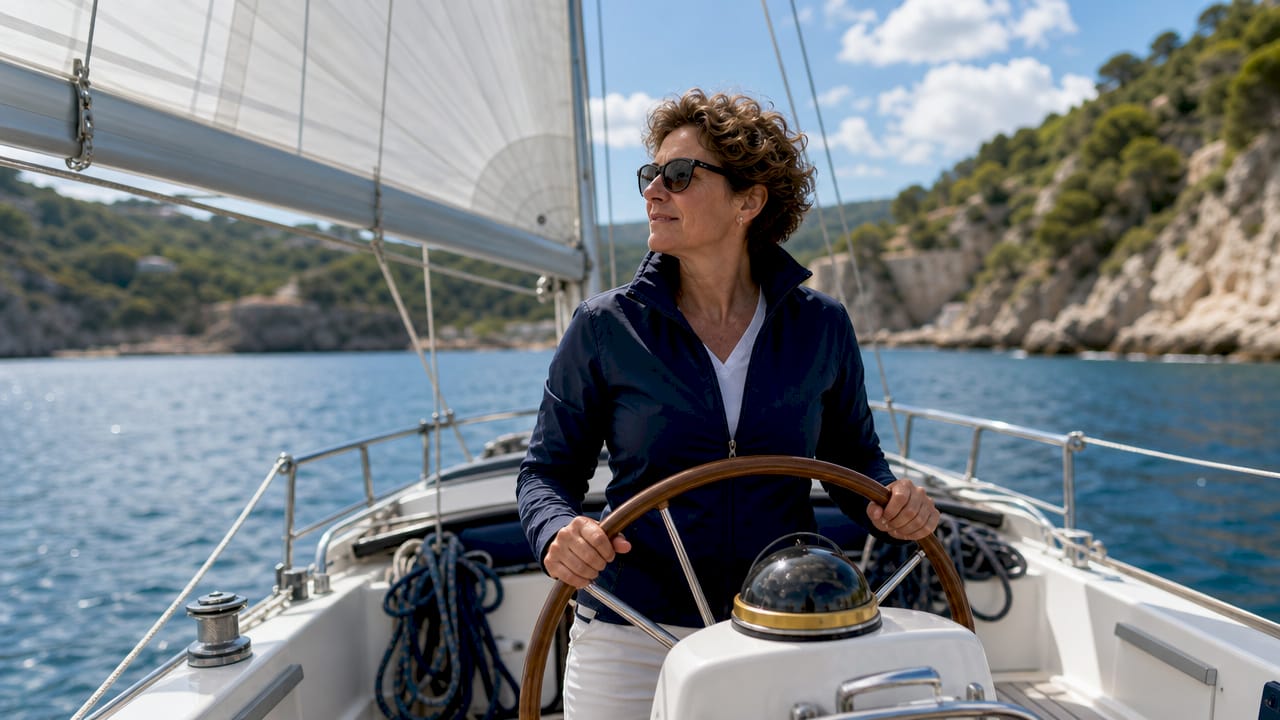
La location coque nue consiste à louer un voilier sans équipage professionnel, ce qui vous confère le contrôle total de la navigation, de l’itinéraire et de toutes les décisions à bord. Pour les marins expérimentés, c’est la forme la plus pure de liberté que l’on puisse trouver en mer. Vous choisissez le mouillage, vous fixez le rythme et vous n’avez de comptes à rendre qu’au vent. Pour comprendre pourquoi la location coque nue est un choix judicieux pour un marin, il suffit de partir d’une vérité simple : si vous avez les compétences requises, rien ne vaut cette expérience. Sailarmada collabore avec des marins de toute la Méditerranée qui choisissent locations de bateaux sans équipage précisément pour cette raison.
Pourquoi les marins expérimentés préfèrent-ils la location de bateaux sans équipage ?
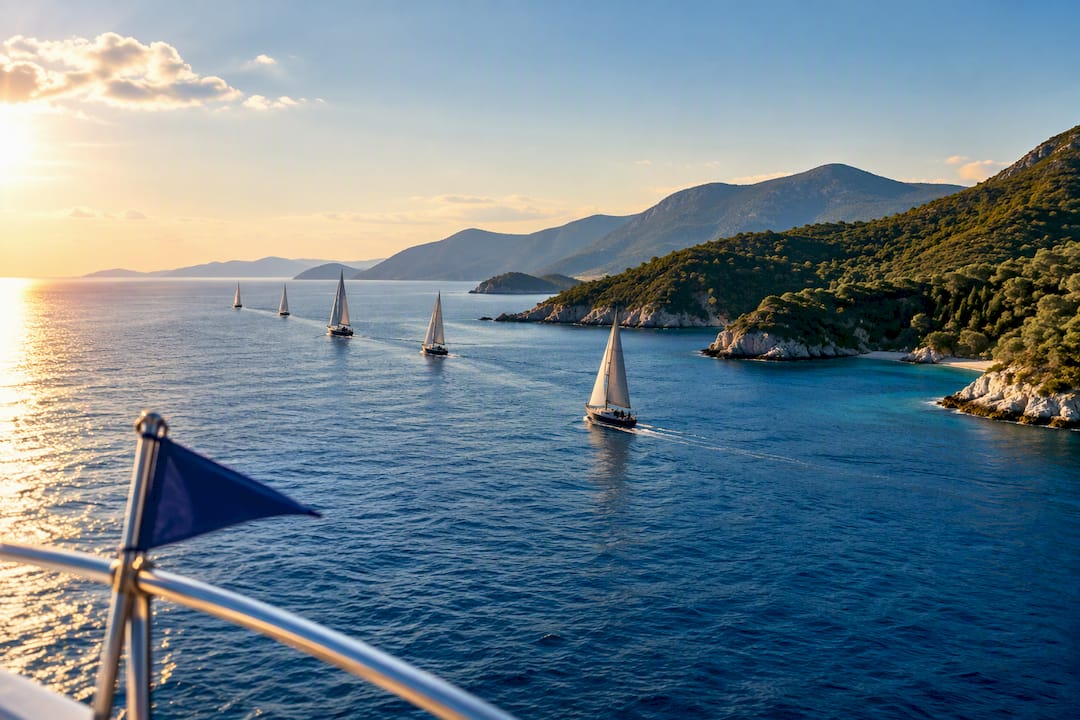
La location de bateau sans équipage vous offre un contrôle total sur votre aventure à la voile, et c'est précisément cette liberté qui explique pourquoi les marins expérimentés optent pour cette formule. Vous tracez votre propre route, changez d’avis à midi et jetez l’ancre dans une baie aux eaux cristallines où aucun car de tourisme ne pourra jamais se rendre. Ce genre de flexibilité n’est tout simplement pas possible sur un yacht avec équipage, où c’est un skipper professionnel qui tient la barre et gère l’emploi du temps.
L'avantage financier est bien réel et considérable. Les honoraires d'un skipper s'élèvent en moyenne à 100-200 € par jour dans les destinations méditerranéennes prisées, ce qui représente une somme qui s'accumule rapidement sur une semaine. Pour un navigateur expérimenté, la location sans équipage permet d'éliminer totalement cette dépense quotidienne et de réaffecter ce budget à un meilleur bateau, à davantage de destinations ou tout simplement à plus de jours en mer.
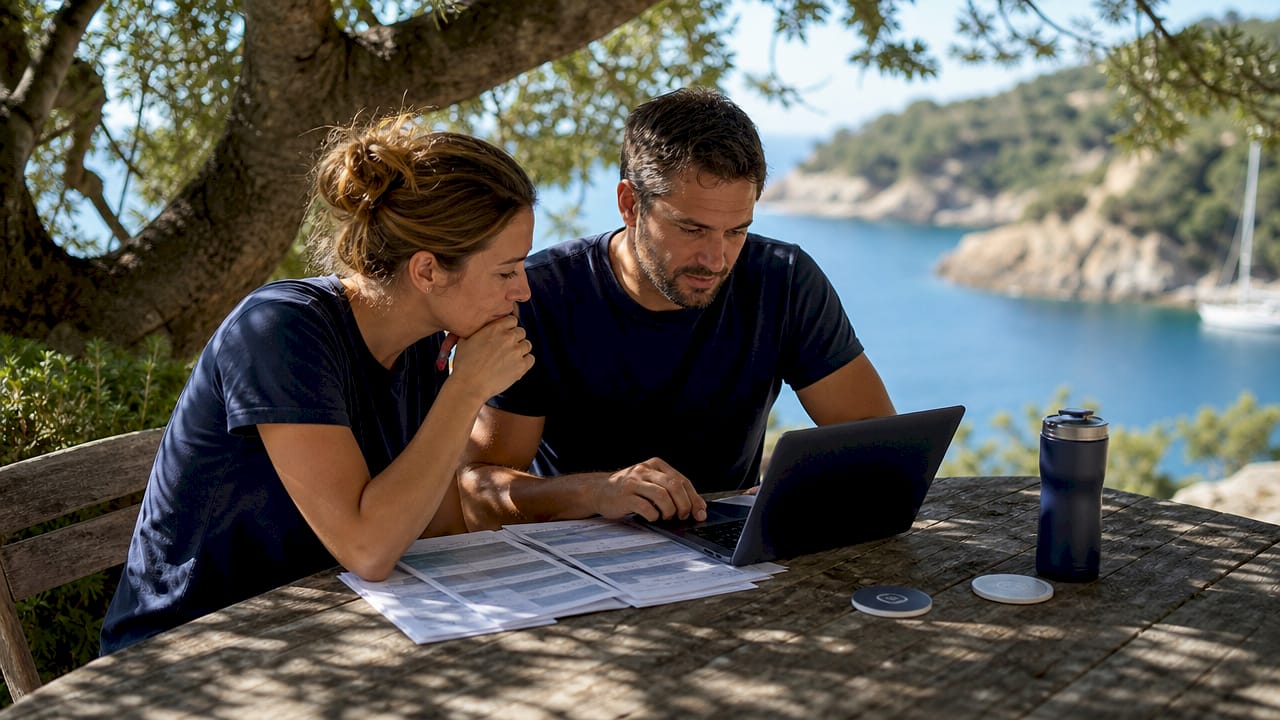
L'attrait de ce mode de vie va bien au-delà des économies réalisées. La navigation à la voile sans équipage est synonyme d'intimité, de flexibilité et de camaraderie au sein de l'équipage plutôt qu’un tourisme passif. Vous et votre équipage formez une équipe soudée : vous vous relayez pour les quarts, cuisinez ensemble et célébrez chaque accostage réussi. Cette expérience partagée crée un lien que des vacances en station balnéaire ne peuvent tout simplement pas égaler.
Voici ce qui attire tout particulièrement les marins expérimentés vers la location de bateaux sans équipage :
- Une liberté totale dans l'organisation de votre itinéraire. Vous jetez l'ancre où vous voulez, vous restez aussi longtemps que vous le souhaitez, et vous repartez quand l'envie vous en prend.
- Confidentialité. Votre bateau, c'est votre univers privé. Pas d'inconnus à table, pas d'excursions organisées.
- La voile authentique. Vous réglez les voiles, vous analysez les conditions météo et vous naviguez. La satisfaction est réelle.
- Rentabilité. Le fait de ne pas avoir à payer de frais de skipper au quotidien fait de la location coque nue l'option la plus économique pour les marins expérimentés.
- Renforcement de la cohésion de l'équipe. Le partage des responsabilités crée une véritable camaraderie entre amis et en famille à bord.
Conseil de pro : Réservez votre location de bateau sans équipage pendant la saison intermédiaire, par exemple en mai ou en octobre en Méditerranée, pour profiter de vents plus calmes, d'une affluence moindre et de tarifs de base plus avantageux sur les mêmes bateaux.
Les locations avec équipage génèrent plus de 82% de chiffre d'affaires total sur le marché de la location, mais la location sans équipage reste la formule privilégiée par les navigateurs en quête d'autonomie. Cet écart en dit long : la plupart des clients des locations de bateaux sont des passagers, pas des navigateurs. Si vous savez réellement naviguer, vous appartenez à une catégorie tout à fait différente.
En quoi la location coque nue diffère-t-elle de la location avec équipage et de la location avec skipper ?
La principale différence entre la location sans équipage et la location avec équipage réside dans la répartition des responsabilités. Dans le cas d'une location sans équipage, c'est vous qui êtes le skipper. Dans le cas d'une location avec équipage ou avec skipper, c'est un professionnel qui se charge de la navigation et de la sécurité pendant que vous vous détendez. Ces deux formules présentent chacune de réels avantages, mais elles s'adressent à des types de navigateurs très différents.
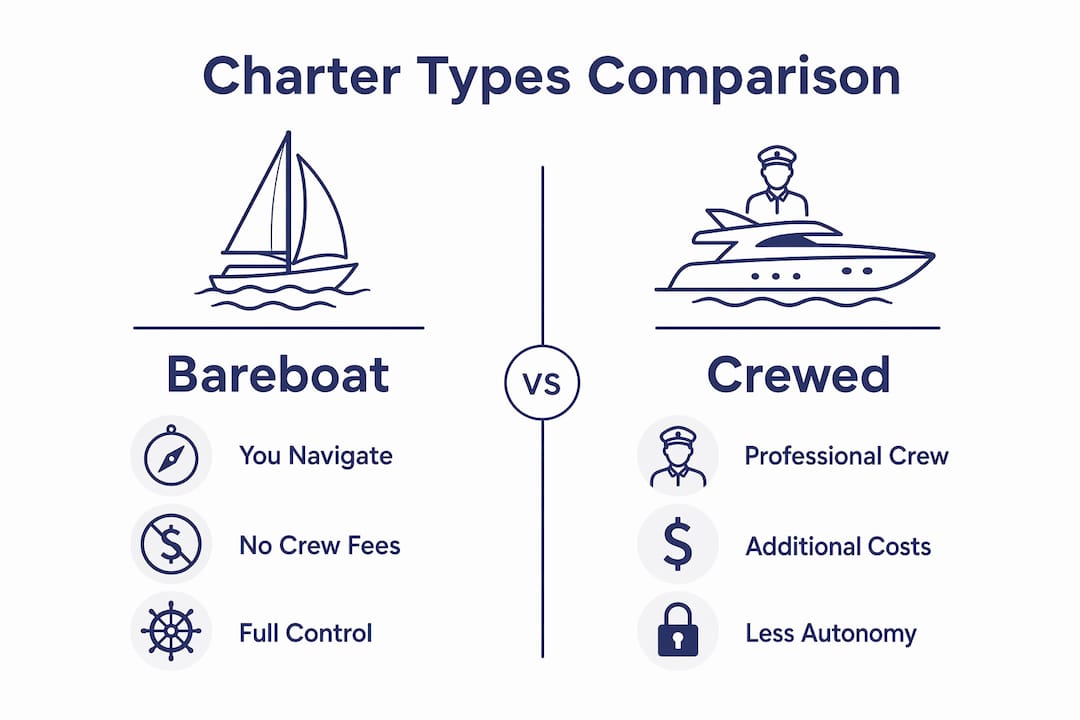
Une location avec skipper comprend les services d'un skipper professionnel, pour un coût de 100 à 200 € par jour. Une location de yacht avec équipage complet comprend en outre les services d'une hôtesse, pour un coût de 150 à 230 € par jour. Ces coûts s'accumulent rapidement et, pour un navigateur qui n'a pas besoin d'aide, ils ne constituent qu'une charge supplémentaire. Le le rôle des charters privés dans la voile en Méditerranée s'est développé précisément parce que de plus en plus de marins souhaitent acquérir ce bateau sans tout ce qui va avec.
| Fonctionnalité | Affrètement sans équipage | Charte avec skipper | Affrètement avec équipage complet |
|---|---|---|---|
| Qui navigue ? | Vous | Skipper engagé | Une équipe de professionnels |
| Supplément journalier | Aucun | 100 à 200 € | 250 à 430 € et plus |
| Contrôle de l'itinéraire | Complet | Partagé | Limitée |
| Charge de travail à bord | Haut | Moyen | Faible |
| Meilleur pour | Marins qualifiés | Groupes de niveaux mixtes | Axé sur la relaxation |
Le recours à une hôtesse occupe une position intermédiaire intéressante. Vous conservez le contrôle total de la navigation tandis qu’une autre personne s’occupe de l’approvisionnement, de la cuisine et de l’entretien de la cabine. Pour les équipages qui souhaitent préserver leur indépendance sans avoir à assumer toute la charge de travail domestique, c’est une option vraiment judicieuse. La question essentielle est simple : avez-vous besoin d’un skipper pour des raisons de sécurité, ou simplement pour des raisons de commodité ?
Quelles sont les compétences et les certifications requises pour naviguer en bateau sans équipage ?
Le minimum légal requis pour la location d'un bateau sans équipage est généralement un brevet ICC ou RYA Day Skipper, mais un simple certificat ne suffit pas à vous préparer. Les sociétés de location vérifient vos documents. C'est la mer qui évalue vos compétences réelles. Ce sont là deux épreuves très différentes.
Les compétences pratiques les plus importantes lors d'une location de bateau sans équipage sont les suivantes :
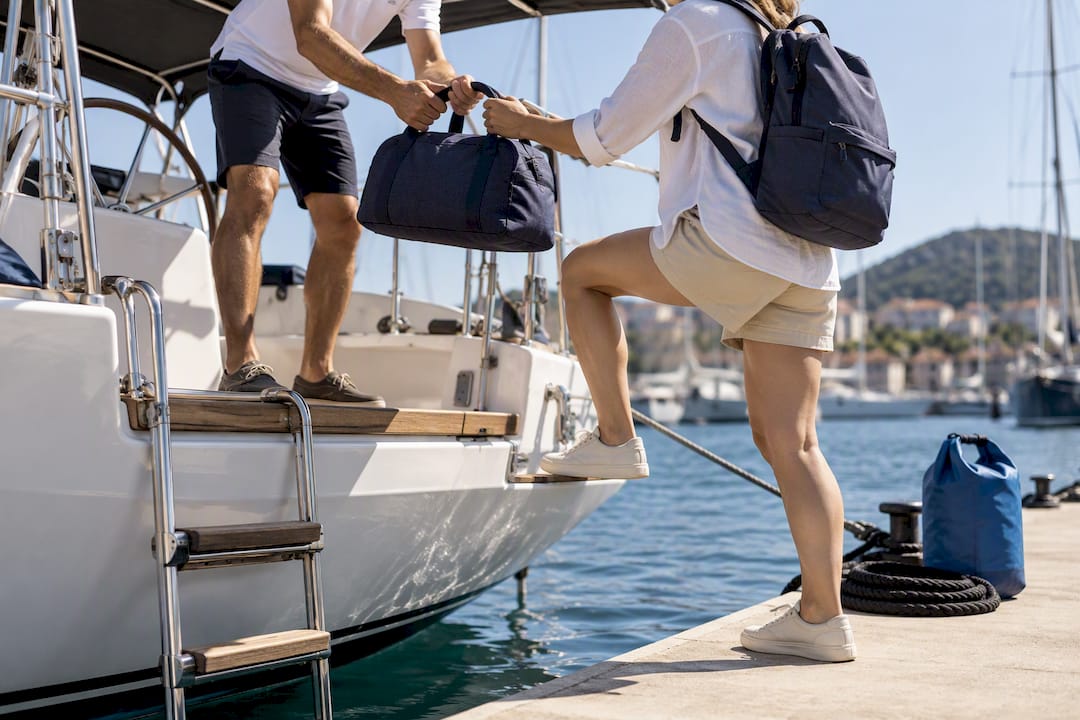
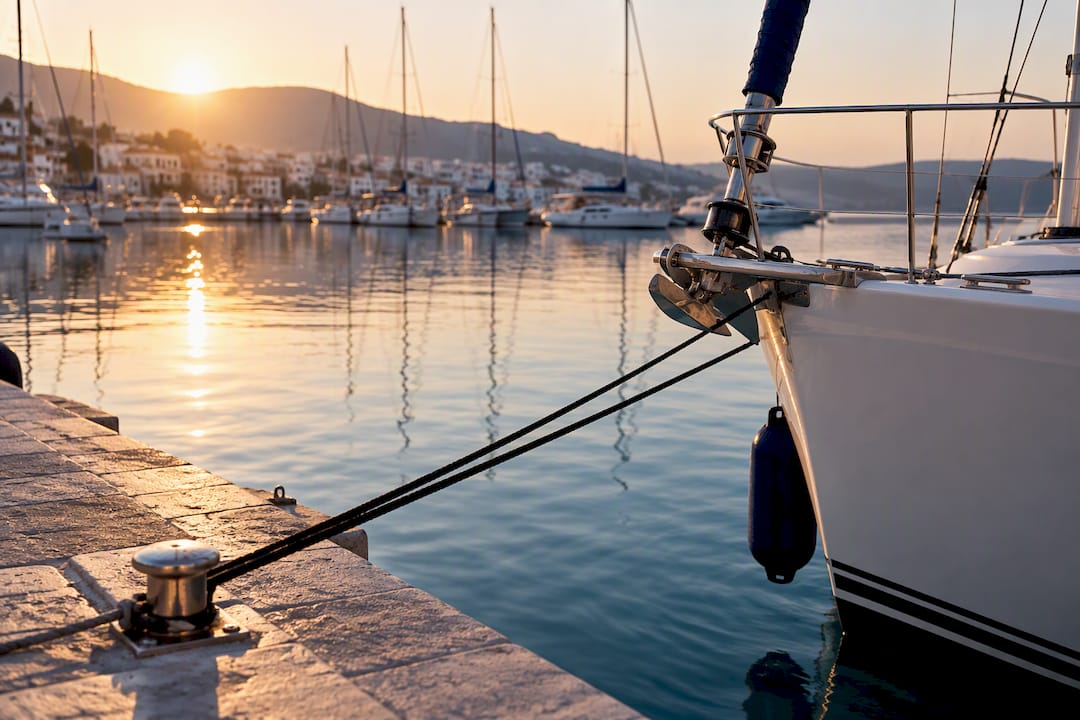
- Amarrage à l'arrière par vent fort. Dans les ports de plaisance méditerranéens, on pratique généralement l'accostage par l'arrière. Se tromper lors d'une telle manœuvre devant un quai bondé est source de stress et peut coûter cher.
- Jeter l'ancre en toute confiance. Savoir déterminer l'amplitude à régler, observer le fond et réajuster l'ancrage lorsque les conditions changent font partie des tâches quotidiennes.
- Plonger efficacement en récif. Le vent se lève rapidement dans des régions comme la mer Égée ou la mer Adriatique. Un équipage capable de prendre des ris rapidement et sereinement assure sa sécurité.
- Réglage des voiles. Une navigation efficace ne se résume pas à la vitesse. Elle permet de réduire la gîte, d'améliorer le confort et d'économiser du carburant.
- Navigation et planification de l'itinéraire. Savoir lire les cartes marines, comprendre les courants de marée et prévoir des distances quotidiennes réalistes permettent de profiter pleinement du voyage.
Selon l'American Sailing Association, la maîtrise de l'ancrage, de l'amarrage, du réglage des voiles, du ris et de la navigation sont les cinq compétences les plus souvent sous-estimées par les novices en navigation sans équipage. C'est en les sous-estimant que les locataires de bateaux commettent des erreurs.
Se fier à un permis ancien et inutilisé, sans avoir pratiqué récemment, est l'une des erreurs les plus courantes commises par les nouveaux plaisanciers en location coque nue. Un permis datant de cinq ans ne vaut pas grand-chose si vous n'avez pas navigué depuis. Une auto-évaluation honnête de votre niveau actuel permet de protéger votre équipage et votre caution.
Conseil de pro : Avant votre location, passez au moins une journée entière à naviguer sur un bateau similaire dans des conditions similaires. S'entraîner à l'amarrage par l'arrière dans un port de plaisance calme avant d'arriver dans un port grec très fréquenté vaut bien plus que n'importe quel cours de remise à niveau.
Évaluer honnêtement votre équipage est tout aussi important que de vous évaluer vous-même. Un marin sûr de lui, entouré de débutants nerveux, change complètement la dynamique à bord. Discutez des rôles avant de quitter le quai et attribuez des responsabilités claires afin que personne ne soit laissé dans l'incertitude lorsque les conditions deviennent agitées.
Comment profiter au maximum de votre location de bateau sans équipage
Pour réussir une belle sortie en voilier sans équipage, tout est question de préparation et d'état d'esprit. Les marins qui passent les meilleures semaines sont ceux qui s'organisent bien, font preuve de souplesse et gardent le moral même lorsque l'ancre dérive au milieu de la nuit.
Préparez votre itinéraire sans trop le planifier. Élaborez un itinéraire approximatif prévoyant deux ou trois points d'ancrage par jour, à titre d'options et non d'obligations. La météo peut changer, une baie magnifique peut apparaître sur la carte, ou l'équipage peut décider à l'unanimité de rester sur place pour profiter encore un peu de la baignade. Les plans trop rigides sont source de stress. Les plans souples, eux, créent des souvenirs.
Faites vos provisions avec soin. La planification et l'approvisionnement sont essentiels à la réussite d'une location de bateau sans équipage. Prévoyez suffisamment de provisions pour au moins deux jours supplémentaires après la date de retour prévue. Grâce à une simple liste de contrôle, vous pouvez éviter de vous retrouver à court de nourriture ou d'eau dans un mouillage isolé. Sailarmada’s Guide d'achats pour une semaine de voile vous offre un point de départ concret en matière de quantités et de catégories.
Le choix du type de bateau approprié détermine l'expérience dans son ensemble. Les catamarans offrent davantage d'espace de vie, une meilleure stabilité et un faible tirant d'eau, ce qui permet de jeter l'ancre près des plages. Les monocoques sont plus réactifs à la voile et procurent souvent plus de satisfaction lors d'une navigation active. Votre choix doit correspondre aux priorités de votre équipage, et pas seulement à vos préférences personnelles en matière de navigation.
Voici les bonnes habitudes qui font la différence entre une semaine de navigation en bateau sans équipage réussie et une semaine stressante :
- Consultez la météo tous les matins avant de définir votre itinéraire. Des applications comme Windy vous fournissent des prévisions de vent heure par heure.
- Répartir les tâches à bord Ainsi, personne n'est seul à assumer l'ensemble des tâches. La cuisine, la navigation et les quarts sont assurés à tour de rôle.
- Informer l'équipe avant chaque départ. Deux minutes de communication claire permettent d'éviter toute confusion en mer.
- Veillez à ce que l'équipement de sécurité soit à portée de main. Les gilets de sauvetage, les fusées de détresse et la radio VHF doivent être à portée de main, sans avoir à fouiller dans les coffres.
- Jetez l'ancre tôt. En haute saison, les meilleurs emplacements sont pris d'assaut dès le début de l'après-midi. En arrivant avant 14 h, vous aurez plus de choix.
Gérer son rythme de manière raisonnable permet de préserver le plaisir. La navigation en bateau sans équipage est une activité véritablement exigeante, et prétendre le contraire mène à l'épuisement et à des tensions. Prévoyez des jours de repos dans votre itinéraire et ne vous sentez pas obligé de naviguer tous les jours.
Principaux enseignements
La location de bateau sans équipage est le meilleur choix pour les marins expérimentés, car elle offre une autonomie totale, une expérience authentique de la navigation et de réelles économies que les formules avec équipage ne peuvent égaler.
| Point | Détails |
|---|---|
| La liberté est l'avantage principal | La location sans équipage vous offre une liberté totale quant à l'itinéraire, au rythme et au choix des mouillages. |
| Les économies réalisées sont considérables | En évitant de payer les honoraires du skipper, qui s'élèvent à 100-200 € par jour, la location coque nue constitue l'option la plus économique pour les navigateurs expérimentés. |
| Les compétences comptent plus que les diplômes | Le brevet « Day Skipper » de l'ICC ou de la RYA constitue le minimum légal requis ; ce sont toutefois les compétences pratiques, telles que l'amarrage à l'arrière et le prise de ris, qui garantissent véritablement la sécurité. |
| Une évaluation honnête de l'équipe est essentielle | Surestimer les capacités actuelles de votre équipage est la cause la plus fréquente de stress et de risques à bord. |
| C'est la préparation qui rend l'activité agréable | Des itinéraires souples, un ravitaillement bien pensé et une répartition claire des tâches transforment une semaine exigeante en une expérience inoubliable. |
Ce que la navigation à la voile sans équipage m'a appris sur la véritable liberté
J'ai navigué sur des voiliers avec équipage, à bord de bateaux de location avec skipper, et lors de croisières en toute autonomie sans équipage en Grèce, en Croatie et en Sardaigne. Ce sont ces semaines de navigation sans équipage dont je garde le souvenir le plus marquant. Non pas parce qu'elles étaient les plus faciles, mais parce qu'elles exigeaient le plus d'efforts et m'ont apporté le plus en retour.
La première fois que j'ai jeté l'ancre dans une baie isolée des îles Ioniennes, sans personne aux alentours, sans horaire à respecter, avec un équipage composé d'amis proches qui venaient de réussir un amarrage à l'arrière particulièrement délicat par vent de travers, j'ai compris ce qu'était réellement la navigation en bateau sans équipage. Ce n'est pas une version moins chère d'une location avec équipage. C'est une expérience complètement différente.
Ce qui, d’après mon expérience, fait trébucher les novices en navigation sans équipage, c’est presque toujours la même chose : une confiance excessive dans des compétences acquises il y a longtemps. Un permis obtenu il y a dix ans ne vous prépare pas à amarrer par un meltemi de 20 nœuds, avec un bateau rempli de monde qui vous observe depuis le quai. Entraînez-vous avant de partir. Soyez honnête quant à ce que vous êtes capable de faire et ce que vous ne pouvez pas faire. La mer récompense la préparation et punit ceux qui prennent des raccourcis.
La camaraderie qui se tisse au cours d'une semaine de navigation en bateau sans équipage est quelque chose que je n'ai jamais retrouvé dans aucun autre type de vacances. Le partage des responsabilités crée un véritable lien. Dès le troisième jour, votre équipage a trouvé son rythme. Au septième jour, on ne veut plus que ça s'arrête.
Mon conseil sincère : si vous en avez les compétences, cessez de réserver des croisières avec skipper par simple habitude. Optez pour la location sans équipage. Préparez-vous soigneusement, faites le plein de provisions et accordez-vous le droit de jeter l'ancre dans un endroit inattendu. C'est de là que naissent les plus belles histoires.
- Voile
Sailarmada peut vous aider à trouver la location de bateau sans équipage qui vous convient
Sailarmada propose une sélection soigneusement choisie de vacances à la voile en Méditerranée, couvrant la Grèce, la Croatie, l'Italie, la Sardaigne et la Turquie, avec des options de location adaptées aussi bien aux navigateurs expérimentés pratiquant la location sans skipper qu'aux groupes souhaitant opter pour une formule avec skipper. Chaque annonce comprend des informations claires sur le type de bateau, les dates de départ et les prestations incluses, afin que vous puissiez choisir la location la mieux adaptée au niveau réel de votre équipage.
Que vous prépariez votre première semaine de location sans équipage ou votre dixième, la plateforme Sailarmada vous permet de comparer facilement les différentes options, de consulter les destinations et de réserver en toute confiance. Les plaisanciers qui souhaitent personnaliser leurs vacances en yacht Que ce soit pour un groupe ou en famille, vous trouverez des formules flexibles qui vous permettront de rester aux commandes. Découvrez l'ensemble des options disponibles sur Sailarmada et trouvez la location qui correspond à l'aventure que vous souhaitez vraiment vivre.
FAQ
Qu'est-ce qu'une location de bateau sans équipage ?
Une location coque nue consiste à louer un voilier ou un bateau à moteur sans équipage professionnel ; le locataire fait office de skipper et assume l'entière responsabilité de la navigation et de la sécurité.
Faut-il un permis pour louer un bateau sans équipage ?
La plupart des sociétés de location exigent, au minimum, un certificat ICC ou RYA Day Skipper, mais l'expérience pratique de la navigation, notamment en matière d'amarrage, de mouillage et de réduction de voilure, est bien plus importante pour garantir la sécurité de la croisière.
Quelle est la différence de prix entre une location sans équipage et une location avec skipper ?
La location de bateau sans équipage permet d'éviter les frais de skipper, qui s'élèvent à 100-200 € par jour, ce qui en fait une solution nettement plus économique pour les navigateurs qualifiés capables de piloter eux-mêmes le bateau.
Quelle est la compétence la plus difficile à maîtriser pour les navigateurs novices qui naviguent sans équipage ?
L'amarrage à l'arrière par vent fort est la technique la plus souvent sous-estimée par les navigateurs novices en location sans équipage, en particulier dans les ports de plaisance très fréquentés de la Méditerranée, où les conditions peuvent être imprévisibles.
Puis-je ajouter une hôtesse à une location de bateau sans équipage ?
Oui. Une hôtesse se charge de l'approvisionnement, de la cuisine et de l'entretien de la cabine, pour un tarif journalier compris entre 150 et 230 €, ce qui permet à votre équipage de profiter de l'autonomie offerte par la navigation en coque nue sans avoir à assumer l'intégralité des tâches ménagères.