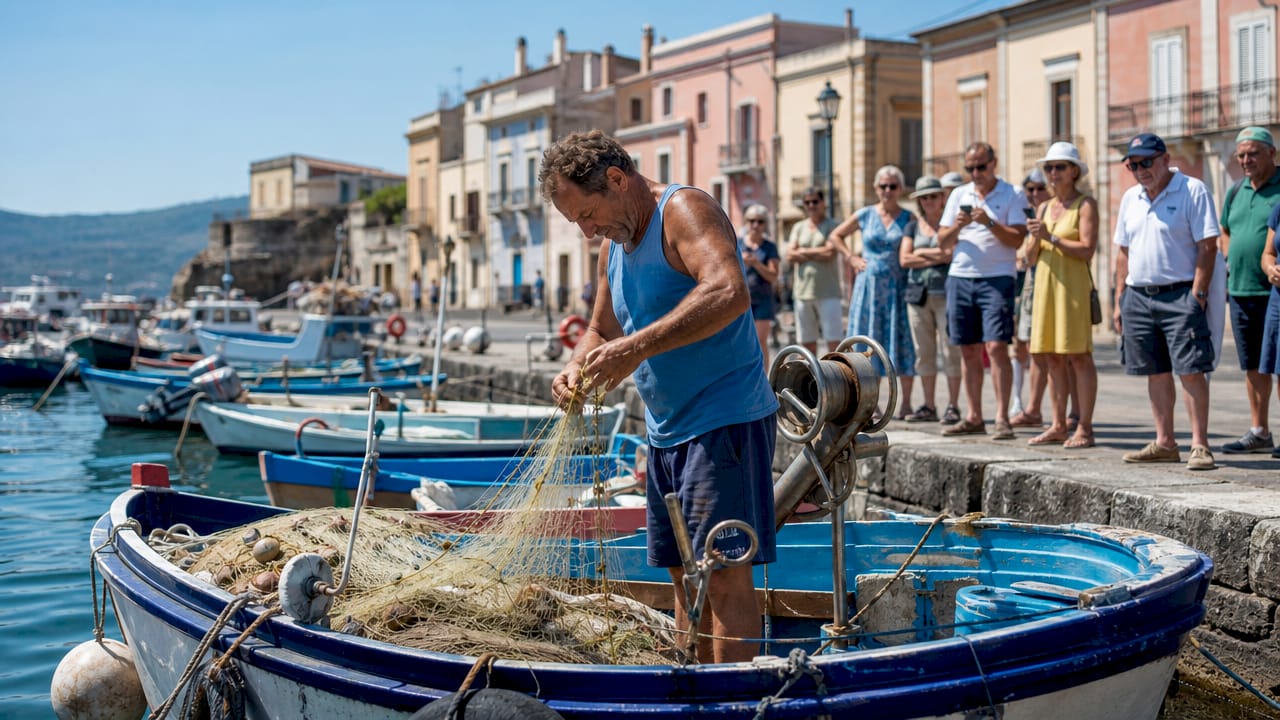
Cele mai frumoase atracții culturale ale croazierelor cu velierul sunt date de contactul direct cu tradițiile maritime vii, nu de vizitele la muzee. Cobori de pe barcă și intri într-un oraș fortificat inclus în patrimoniul UNESCO, privești un meșter cum construiește o carenă din lemn folosind tehnici neschimbate de secole sau asculți muzica tradițională care se aude de peste apă la apusul soarelui. Excursiile cu barca cu pânze în Marea Mediterană, în special, oferă acest tip de imersiune într-un mod pe care nicio călătorie pe uscat nu îl poate egala. Combinația dintre patrimoniul maritim, bucătăria locală, orașele antice și itinerariile cu activități variate face din vacanța cu barca cu pânze una dintre cele mai bogate experiențe culturale disponibile astăzi pentru călători.
1. Care sunt cele mai interesante experiențe legate de patrimoniul maritim tradițional în cadrul excursiilor cu velierul?
Moștenirea maritimă tradițională stă la baza experiențelor culturale autentice din domeniul navigației. Cele mai memorabile întâlniri au loc atunci când intri în contact cu ambarcațiunile, constructorii și comunitățile de pescari care și-au păstrat metodele vii de-a lungul generațiilor.
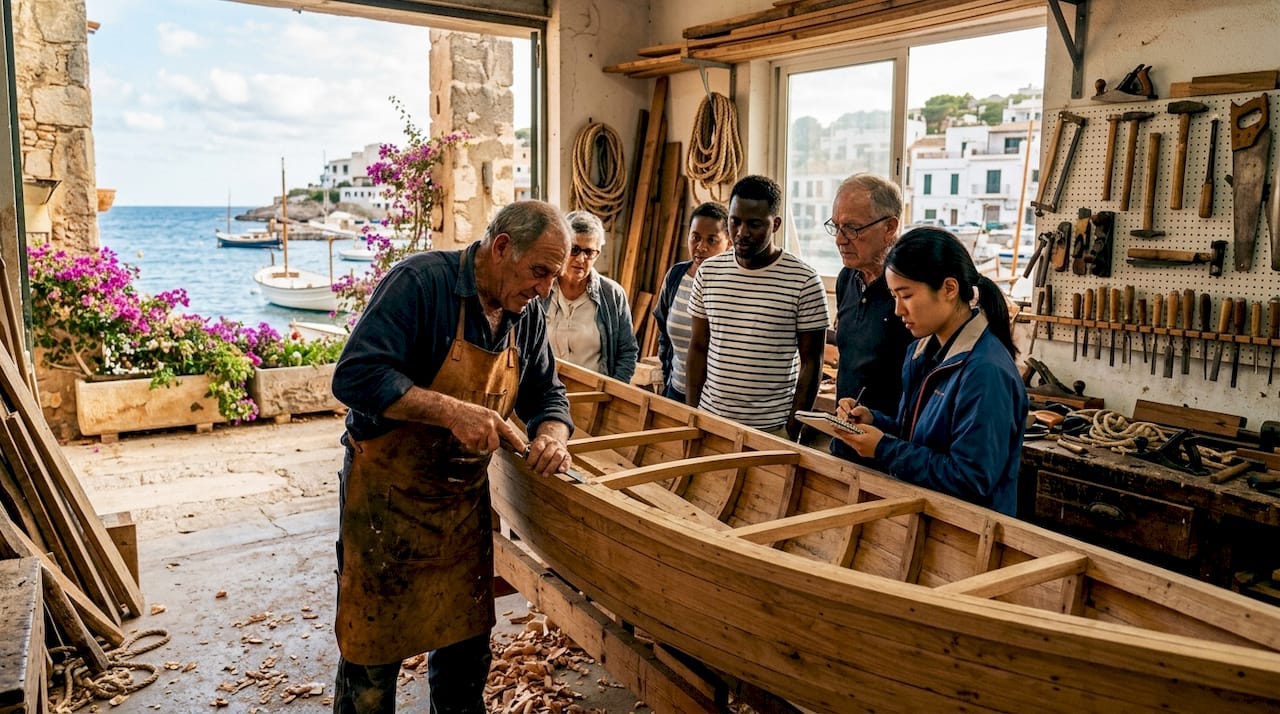
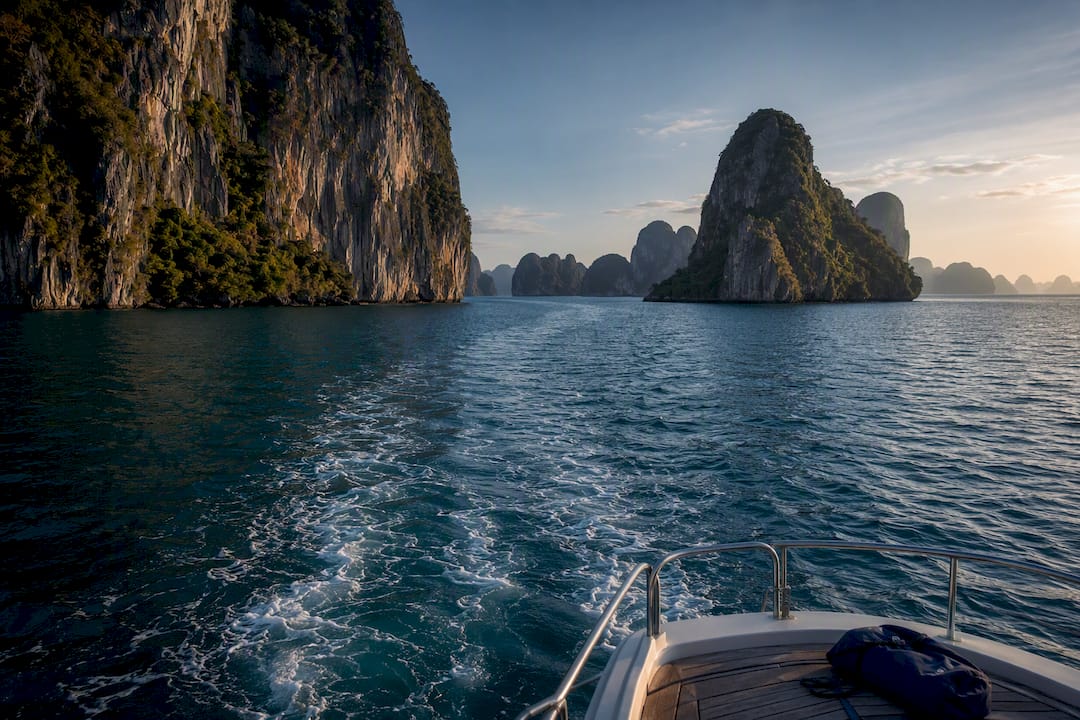
Golful Ha Long din Vietnam reprezintă unul dintre cele mai impresionante exemple din lume. Provincia Quang Ninh a lansat un program de navigație dedicat patrimoniului, care include bărci din lemn cu trei pereți laterali construită de meșterul Lê Đức Chắn folosind tehnica tradițională de construcție cu trei scânduri. Acest program demonstrează că experiențele legate de ambarcațiunile tradiționale pot sta la baza unei întregi oferte de turism cultural, nu doar să servească drept ocazie pentru a face poze.
În zona Mediteranei, tradiții similare se păstrează în șantierele navale grecești de pe insula Syros și în atelierele de construcție a ambarcațiunilor din lemn de tip „caïque” de pe coasta turcă a Mării Egee. Acestea sunt locuri în care poți urmări meșterii cum modelează manual corpurile navelor, poți pune întrebări și poți înțelege de ce o anumită curbură a provei este importantă pentru navigarea pe un anumit tronson de apă.
- Tururi cu ambarcațiuni tradiționale: Căutați operatori care utilizează tipuri tradiționale de ambarcațiuni, nu doar replici moderne din fibră de sticlă.
- Vizite la șantierele navale: Rugați-l pe căpitanul vostru să programeze o oprire la un șantier naval în funcțiune, nu doar la un port de agrement.
- Accesul comunității de pescari: Dacă ajungi dimineața devreme în porturile mici, poți urmări aducerea capturii zilnice și poți sta de vorbă cu pescarii locali.
- Demonstrații de artizanat: Căutați excursii care includ ateliere de confecționare a frânghiilor, de reparare a plaselor sau de cusut vele.
Sfat profesional: Rezervați tururi cu un număr maxim de participanți. Grupurile mai mici au acces la ateliere și șantiere navale private în care autobuzele turistice mai mari pur și simplu nu pot intra.
Navigație tradițională autentică vă oferă o înțelegere mai profundă a tradițiilor maritime decât orice croazieră obișnuită, deoarece navigați pe aceleași ape și profitați de același vânt care a modelat aceste comunități de-a lungul secolelor.
2. Cum integrează excursiile cu barca cu pânze experiențe culturale cu activități diverse?
Cele mai bune excursii cu barca cu pânze consideră ambarcațiunea ca pe o bază de plecare, nu ca pe o destinație. În fiecare dimineață navigați către o nouă destinație, iar după-amiaza o petreceți plimbându-vă pe jos, cu bicicleta sau vizitând o clădire istorică.
Itinerariul de 8 zile „Perlele Dalmației” reprezintă un exemplu clar al acestei abordări. Turul combină navigarea cu până la 60 km de parcursuri zilnice cu bicicleta electrică prin insulele dalmate, limitând numărul participanților la maximum 29 de oaspeți. Acest număr redus de participanți este elementul cheie. Înseamnă că veți vizita siturile de patrimoniu fără aglomerație și veți beneficia de o interacțiune autentică cu ghizii locali.
Iată cum se prezintă, de obicei, un itinerar de navigație bine structurat, care include mai multe activități:
- Plimbare cu barca dimineața: Călătoriți între insule în timp ce căpitanul vă povestește istoria navigației locale.
- Sosire la prânz: Aruncați ancora într-un golf retras sau într-un port din oraș pentru a înota și a lua prânzul.
- Activitate de după-amiază: Ciclism, plimbare pe jos sau atelier de artizanat în orașul cel mai apropiat.
- Cultura de seară: Mergi la o piață locală, la un festival sau la un concert în aer liber.
- Cina la bord: Căpitanul sau bucătarul local pregătește mâncăruri regionale folosind ingrediente cumpărate de pe uscat.
De-a lungul acestor rute se găsesc, în mod firesc, situri incluse în patrimoniul UNESCO. Palatul lui Dioclețian din Split, orașul fortificat din Dubrovnik și vechiul oraș Stari Grad de pe insula Hvar sunt toate situate chiar pe malul mării, ceea ce le face destinații ideale pentru popasuri între etapele călătoriei cu barca.
Sfat profesional: Cereți operatorului turistic un itinerar care să includă cel puțin două activități culturale pe uscat pe zi. Un căpitan bun va ști exact care sunt orașele cu cele mai bune piețe de artizanat și care sunt diminețile cele mai liniștite pentru vizitarea obiectivelor istorice.
Călătorii activi au ocazia să trăiască experiența fizică a mersului cu bicicleta sau a drumețiilor prin peisaje pe care, altfel, le-ar vedea doar de pe punte. Această perspectivă de la nivelul solului schimbă modul în care înțelegi un loc.
3. Ce rol joacă muzica și bucătăria locală în experiențele culturale legate de navigație?
Muzica și mâncarea sunt cele mai rapide căi de a pătrunde în cultura locală. În cele mai bune excursii cu barca cu pânze, ambele te așteaptă încă înainte să pui piciorul pe țărm.
Croazierele cu dhow-uri din Zanzibar reprezintă un etalon pentru acest tip de imersiune culturală la bord. Aceste croaziere de lux cu dhow-uri conțin cântece taarab din anii 1980–1990 alături de gustări în stil swahili, precum kashata și samosa, servite pe punte. Această combinație de muzică și mâncare reușește ceva ce o prelegere de istorie nu poate face. Te plasează în mijlocul culturii vii, nu în afara ei, privind-o din exterior.
“Croazierele cu dhow-ul swahili îmbină muzica tradițională taarab cu bucătăria swahili, punând în valoare demnitatea culturală și plăcerea excursiilor pe mare.” Același principiu se aplică în toate regiunile de navigație: atunci când muzica și mâncarea locală își fac loc la bord, barca devine un spațiu cultural, nu doar un mijloc de transport.
Croazierele cu velierul pe Marea Mediterană au propria lor versiune a acestei tradiții. Căpitanii greci ascultă adesea muzică rebetiko sau muzică populară în timpul ancorajelor de seară. Rutele de coastă italiene trec prin orașe unde puteți cumpăra burrata proaspătă, caracatiță la grătar și vin local, pe care să le luați cu voi pe barcă. Insulele croate produc propriul ulei de măsline, vinul de desert prošek și carne afumată, care capătă un gust cu totul diferit atunci când sunt savurate pe puntea unei ambarcațiuni cu vedere la Marea Adriatică.
- Gătitul la bord: Alegeți excursii în cadrul cărora un bucătar local sau căpitanul pregătesc mâncăruri regionale folosind ingrediente proaspete de la piață.
- Seri muzicale: Căutați itinerarii care includ o noapte petrecută la o tavernă locală sau un muzician la bord.
- Limite de piață: Rezervați-vă timp să mergeți la piețele locale săptămânale pentru a cumpăra ingrediente și a discuta cu producătorii.
- Ateliere culinare: Unele porturi organizează cursuri scurte de gătit, în cadrul cărora înveți să pregătești un singur fel de mâncare înainte de a te întoarce pe barcă.
Legătura dintre bucătăria locală și turismul cultural este bine documentat. Mâncarea nu este doar un beneficiu secundar al unei excursii cu barca cu pânze. Este una dintre principalele modalități prin care călătorii își creează amintiri de neuitat despre un loc.
4. Care dintre destinațiile de navigație din Marea Mediterană oferă cele mai interesante atracții culturale?
Marea Mediterană concentrează mai multe situri incluse în Patrimoniul Mondial UNESCO pe kilometru de coastă decât orice altă regiune de navigație de pe glob. Destinațiile prezentate mai jos se remarcă prin bogăția și diversitatea ofertei lor culturale.
| Destinație | Atracție culturală de seamă | Cel mai bun mod de a ajunge este cu barca cu pânze |
|---|---|---|
| Dubrovnik, Croația | Oraș fortificat inclus în patrimoniul UNESCO, fortificații medievale | Acces direct în port, ancorare în interiorul vechiului port |
| Split, Croația | Palatul lui Dioclețian, ruine romane în mijlocul unui oraș plin de viață | Portul central, la câțiva pași de palat |
| Hvar, Croația | Câmpia Stari Grad (UNESCO), câmpuri de lavandă, teatru renascentist | Portul orașului Hvar sau golful Stari Grad |
| Santorini, Grecia | Arhitectura cicladică, situl arheologic al vechiului Akrotiri | Ancorajul din Caldera, cu barcă spre Fira sau Oia |
| Kotor, Muntenegru | Fortificațiile venețiene, centrul istoric medieval (UNESCO) | Golful Kotor, acostare directă la zidul vechi al orașului |
| Valletta, Malta | Arhitectura barocă, moștenirea Cavalerilor de pe Muntele Sfântului Ioan | Grand Harbour, unul dintre cele mai frumoase porturi naturale din lume |
| Insulele Eoliene, Italia | Peisaje vulcanice, așezări preistorice, capere locale și vin | Mai multe puncte de ancorare pe șapte insule |
Itinerariile de-a lungul Coastei Dalmate includ întotdeauna Dubrovnik, Split și Hvar, deoarece aceste trei destinații oferă patrimoniu UNESCO, cultură artizanală și frumusețe naturală într-o singură săptămână de croazieră. O astfel de bogăție de experiențe este greu de egalat în orice altă parte a lumii.
Grecia aduce o perspectivă diferită. Insulele din arhipelagurile Ciclade și Dodecanez păstrează urme ale istoriei antice în fiecare loc de ancorare, de la ruinele sacre de pe Delos până la strada medievală a Cavalerilor din Rodos. Coasta Turcoaz din Turcia îmbină mormintele rupestre liciene, ruinele bizantine și unele dintre cele mai bune fructe de mare proaspete din regiune.
Pentru călătorii care doresc Destinații mediteraneene de navigație care îmbină istoria cu frumusețea naturală, Coasta Dalmată și arhipelagurile grecești oferă cea mai consistentă bogăție culturală pe fiecare zi de navigare.
5. Ce sfaturi practice pot ajuta la optimizarea experienței culturale în timpul croazierelor cu barca cu pânze în Marea Mediterană?
Pentru a profita la maximum de experiențele culturale oferite de navigarea cu barca, este nevoie să faci câteva alegeri conștiente înainte și în timpul călătoriei.
- Alegeți excursii în grupuri mici. Tururi care a limita numărul de invitați la 29 sau mai puțin oferă în mod constant un acces mai bun la cultura locală decât flotilele mai mari. Ai ocazia să participi la ateliere, să intri în curți private și în casele localnicilor, locuri pe care grupurile mai mari pur și simplu nu le pot vizita.
- Informează-te înainte de a ajunge acolo. Află care sunt orașele care organizează piețe săptămânale, care sunt muzeele pentru care este necesară rezervarea în avans și ce festivaluri au loc în perioada în care vei naviga. Un sit UNESCO capătă o semnificație mult mai profundă atunci când îi înțelegi istoria înainte de a-i trece pragul.
- Luați legătura cu ghizii locali în fiecare port. Căpitanul tău cunoaște apele. Un ghid local cunoaște străzile, poveștile și oamenii. Folosește-i pe amândoi.
- Participă activ. Înscrie-te la cursul de gătit, participă la turul pe jos, încearcă instrumentul tradițional. Observarea pasivă reprezintă experiența turistică. Participarea activă reprezintă experiența culturală.
- Respectați conservarea patrimoniului. Unele locuri au limite stricte privind numărul de vizitatori sau reguli stricte privind fotografierea. Respectați-le. Aceste reguli există deoarece aceste locuri sunt cu adevărat fragile, iar respectul dumneavoastră le menține deschise pentru viitorii călători.
Sfat profesional: Ia cu tine un caiet mic și notează numele fiecărui fel de mâncare, cântec sau tehnică de artizanat pe care le întâlnești. Această listă va deveni cel mai personal suvenir pe care îl vei aduce acasă și îți va oferi un motiv să te întorci.
Excursii personalizate cu barca cu pânze care îi pun pe călători în legătură directă cu comunitățile locale bogate în patrimoniu oferă acele perspective culturale care îți rămân în minte mult timp după ce bronzul dispare.
Principalele concluzii
Cele mai bogate experiențe culturale din cadrul croazierelor combină patrimoniul maritim viu, accesul în grupuri restrânse, muzica și gastronomia locală, precum și destinațiile incluse în patrimoniul UNESCO, într-un singur itinerar pe care nicio călătorie pe uscat nu îl poate egala.
| Punct | Detalii |
|---|---|
| Ambarcațiunile tradiționale sunt importante | Experiențele tradiționale pe apă, precum plimbările cu bărci din lemn din Golful Ha Long, vă conectează la secole de istorie maritimă. |
| Grupurile mici oferă acces | Limitarea numărului de participanți la 29 de persoane permite accesul la ateliere, locuri cu acces exclusiv și ghizi locali, care nu sunt disponibili pentru grupurile mai mari. |
| Muzica și mâncarea fac parte din cultură | Muzica taarab și bucătăria swahili de pe dhow-urile din Zanzibar ilustrează modul în care experiențele senzoriale definesc memoria culturală. |
| Densitatea populației din zona mediteraneană este de neegalat | Destinații precum Split, Dubrovnik și Hvar oferă posibilitatea de a vizita mai multe situri UNESCO în decursul unei singure săptămâni de croazieră. |
| Participarea activă este mai eficientă decât simpla observare | Cursurile de gătit, atelierele artizanale și vizitele la piețe creează legături culturale durabile, pe care tururile pasive nu le pot oferi. |
De ce cultura este cel mai bun motiv pentru a pleca la navigat
Am participat la excursii cu barca cu pânze în care itinerarul se rezuma la milele parcurse și la locurile de ancorare bifate pe listă. Acele excursii au fost distractive. Dar cele de care îmi amintesc cel mai bine sunt cele în care ne-am oprit suficient de mult timp pentru a discuta cu cineva care locuia acolo.
Se spune de obicei că navigația înseamnă marea. Eu cred că asta e doar pe jumătate adevărat. Marea te duce undeva. Ceea ce faci când ajungi acolo este ceea ce face ca această călătorie să merite povestită și după mulți ani. Călătorul care își petrece o după-amiază urmărind un constructor de bărci într-un șantier naval din Grecia sau care ia masa pregătită de o familie locală într-un sat croat se întoarce acasă cu ceva ce o vacanță la plajă pur și simplu nu poate oferi.
Sfatul meu sincer: rezistă tentației de a naviga cât mai departe posibil într-o săptămână. Mai puține destinații, dar cu mai mult timp petrecut pe uscat, vor fi întotdeauna mai valoroase decât o listă lungă de porturi pe care abia le-ai zărit. Experiențele culturale pe care le acumulezi într-o zi întreagă petrecută într-un oraș istoric valorează mai mult decât trei opriri rapide.
Și tradițiile mai puțin cunoscute merită atenție. Scena muzicală rebetiko din Pireu, atelierele de ceramică din Faenza, Italia, și tradiția pescuitului de bureți din Kalymnos, Grecia. Acestea nu se regăsesc în toate itinerariile, dar sunt exact genul de cultura maritimă vie care transformă o vacanță cu barca cu pânze într-o experiență cu adevărat de neuitat.
- Sail
Itinerariile culturale de navigație selectate de Sailarmada
Sailarmada organizează săptămâni de navigație în Marea Mediterană, axate tocmai pe această bogăție culturală. Fiecare itinerar este conceput de căpitani experimentați, care știu în ce orașe se găsesc cele mai bune piețe artizanale, ce situri UNESCO merită o după-amiază întreagă și în ce restaurante locale grupul vostru se va simți ca niște clienți obișnuiți, nu ca niște turiști.
Indiferent dacă plănuiești un vacanță de navigatie de grup Fie că este vorba de o săptămână petrecută cu prietenii sau cu familia pe apă, itinerariile Sailarmada prin Grecia, Croația și Italia sunt concepute pentru a oferi un echilibru între timpul petrecut pe mare și o adevărată imersiune culturală pe uscat. De asemenea, puteți explora itinerarii mediteraneene îngrijite conceput special pentru grupurile care își doresc mai mult decât un bronz. Skipperii se ocupă de navigare. Tu te ocupi de amintiri.
FAQ
Care sunt atracțiile culturale de neratat în cadrul excursiilor cu barca cu pânze?
Atracțiile culturale ale excursiilor cu barca cu pânze reprezintă experiențe captivante care îi pun pe călători în contact direct cu patrimoniul maritim local, siturile istorice, muzica tradițională, bucătăria regională și meșteșugurile artizanale întâlnite de-a lungul traseului parcurs cu barca cu pânze.
Care sunt destinațiile mediteraneene care oferă cele mai interesante atracții culturale pentru iubitorii de navigație?
Dubrovnik, Split și Hvar din Croația, alături de Santorini și Rodos din Grecia, se clasează în mod constant printre cele mai populare destinații pentru croaziere cu velier, datorită siturilor lor incluse în Patrimoniul UNESCO și tradițiilor locale încă vii.
În ce fel contribuie grupurile restrânse la îmbunătățirea experiențelor culturale în cadrul activităților de navigație?
Tururile cu un număr maxim de 29 de participanți oferă acces la ateliere private, ghizi locali și situri de patrimoniu în care grupurile mai mari nu au acces, ceea ce permite experiențe culturale mai personale și mai semnificative.
Care sunt cele mai importante situri istorice pentru marinari din Marea Mediterană?
Palatul lui Dioclețian din Split, fortificațiile venețiene din Kotor și ruinele antice de la Delos, din Grecia, se numără printre cele mai importante situri istorice pentru marinarii care călătoresc pe Marea Mediterană.
Excursiile cu barca cu pânze pot include experiențe culinare și muzicale locale?
Da. Cele mai bune excursii cu barca cu pânze includ muzica la bord și bucătăria regională ca elemente culturale esențiale, urmând modelul croazierelor cu dhow din Zanzibar, care se remarcă prin muzica tradițională taarab și preparatele swahili servite pe punte.