
Maximizing yacht leisure activities means deliberately planning your time, gear, and onboard behavior to get the most out of every hour on the water. A spontaneous afternoon at sea can be genuinely wonderful, but the guests who return home with the best stories are the ones who prepared. From USCG-approved safety equipment to same-day charter platforms and the unwritten rules that yacht etiquette experts swear by, the difference between a good trip and an unforgettable one comes down to a handful of smart decisions made before and during your voyage.
How to maximize yacht leisure activities: essential prep and gear
The foundation of any great day on the water is preparation. You cannot fully enjoy jet skiing off the coast of Croatia or snorkeling in the crystal-clear waters of Greece if you are sunburned, wearing the wrong shoes, or waiting on the dock because your hard-shell suitcase will not fit below deck.
Sun protection is the most overlooked piece of yacht gear. SPF 50+ sunscreen is the minimum standard for water-based activities, and you need to reapply it every 80 minutes at most. That matters because water, friction, and splash degrade coverage far faster than most people expect, even on overcast days when UV exposure remains surprisingly high.
Luggage is another detail that separates smooth boarders from frustrated ones. Soft-sided bags are the only sensible choice on a yacht. Hard-shell suitcases damage teak decks and simply do not fit into the compact storage spaces below. Pack light, pack soft, and bring a pair of non-marking boat shoes to protect both the deck and yourself.
On the planning side, same-day charter platforms now offer real-time availability and transparent pricing across popular coastal European destinations, letting you book a single day or a few hours with instant confirmation. This reduces planning friction dramatically and opens the door to genuinely spontaneous experiences.
Pro Tip: Book your charter for mid-morning departures rather than early morning. Winds in the Mediterranean are typically calmer before noon, making water sports and swimming stops more enjoyable for first-timers and families.
Here is a quick-reference packing table to get you started:
| Item | Why it matters |
|---|---|
| SPF 50+ reef-safe sunscreen | Protects against UV in water and cloud cover; reapply every 80 minutes |
| Soft-sided duffel bag | Fits yacht storage; avoids deck damage |
| Non-marking boat shoes | Protects teak surfaces; prevents slipping |
| USCG-approved PFD | Required by law; critical for water sports |
| UPF 50+ rash guard or shirt | Adds a second layer of UV protection during long sun exposure |
Which yacht activities offer the best experiences?
The best yacht leisure ideas fall into three broad categories: water sports, deck activities, and social or indoor experiences. The right mix depends entirely on your group, your destination, and how much energy you want to spend versus how much serenity you want to soak up.
Water sports are the headline act for most guests. Jet skiing, kayaking, snorkeling, and scuba diving are all popular choices that work well for groups and families, and most modern charter yachts carry at least some of this equipment. Snorkeling in the Aegean Sea or kayaking around the sea caves of Sardinia are experiences that simply cannot be replicated on a land-based holiday.
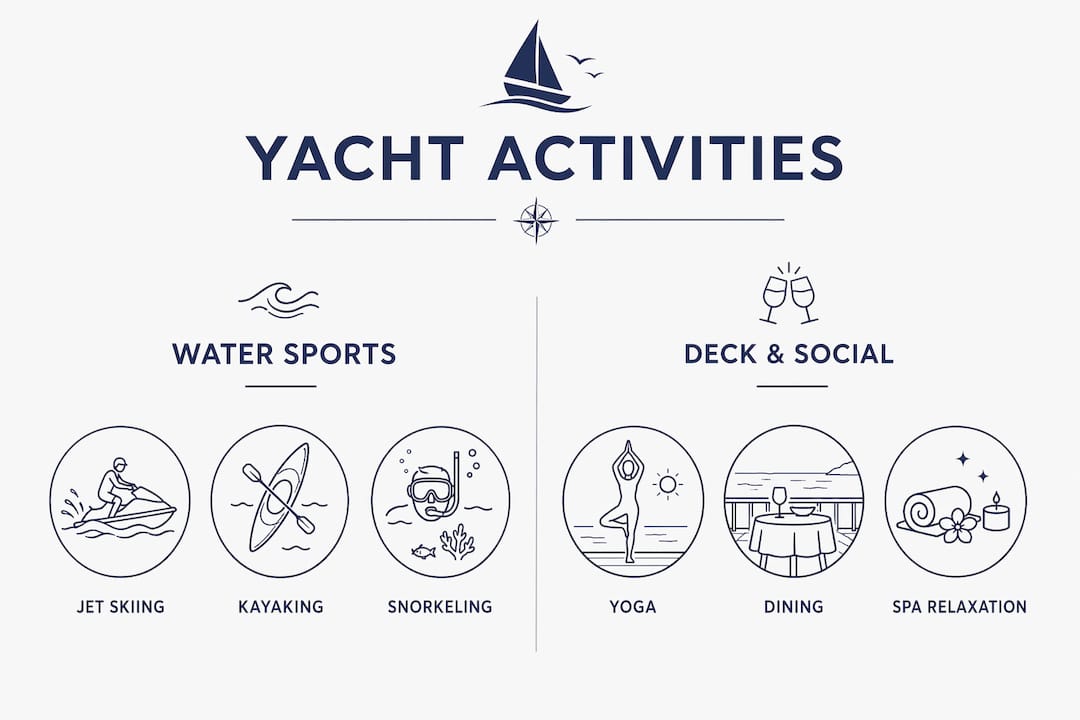
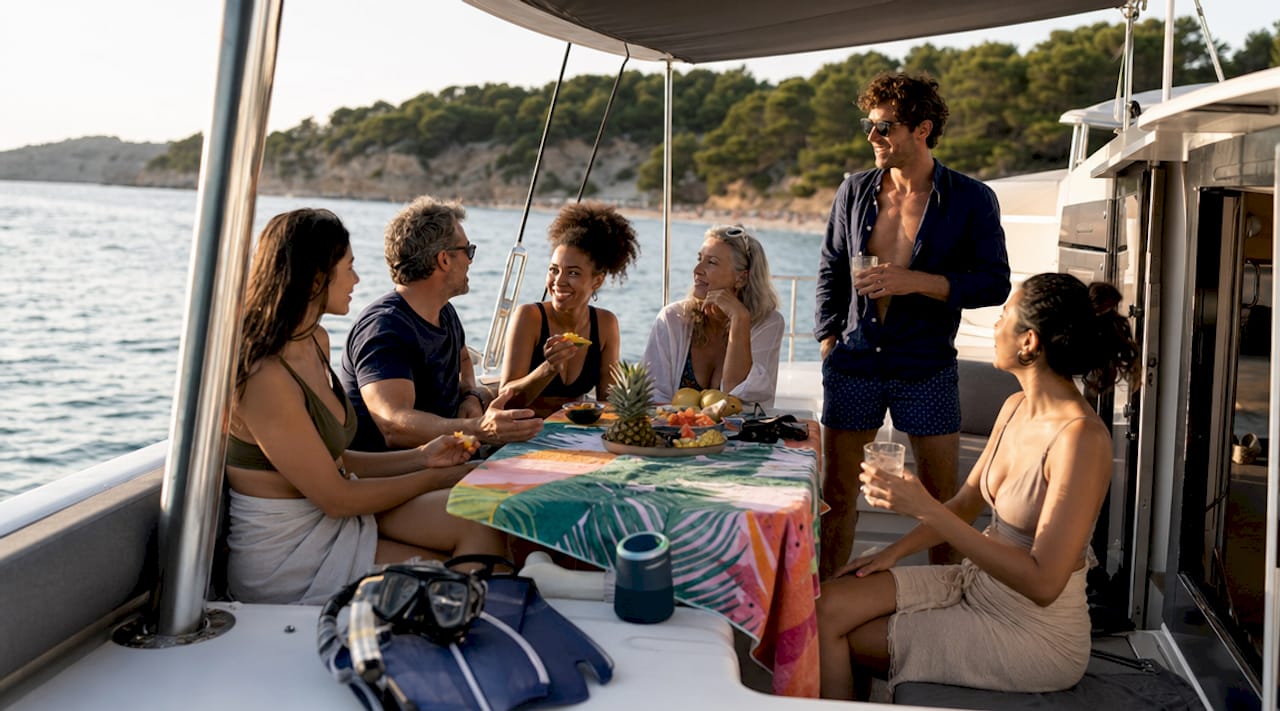
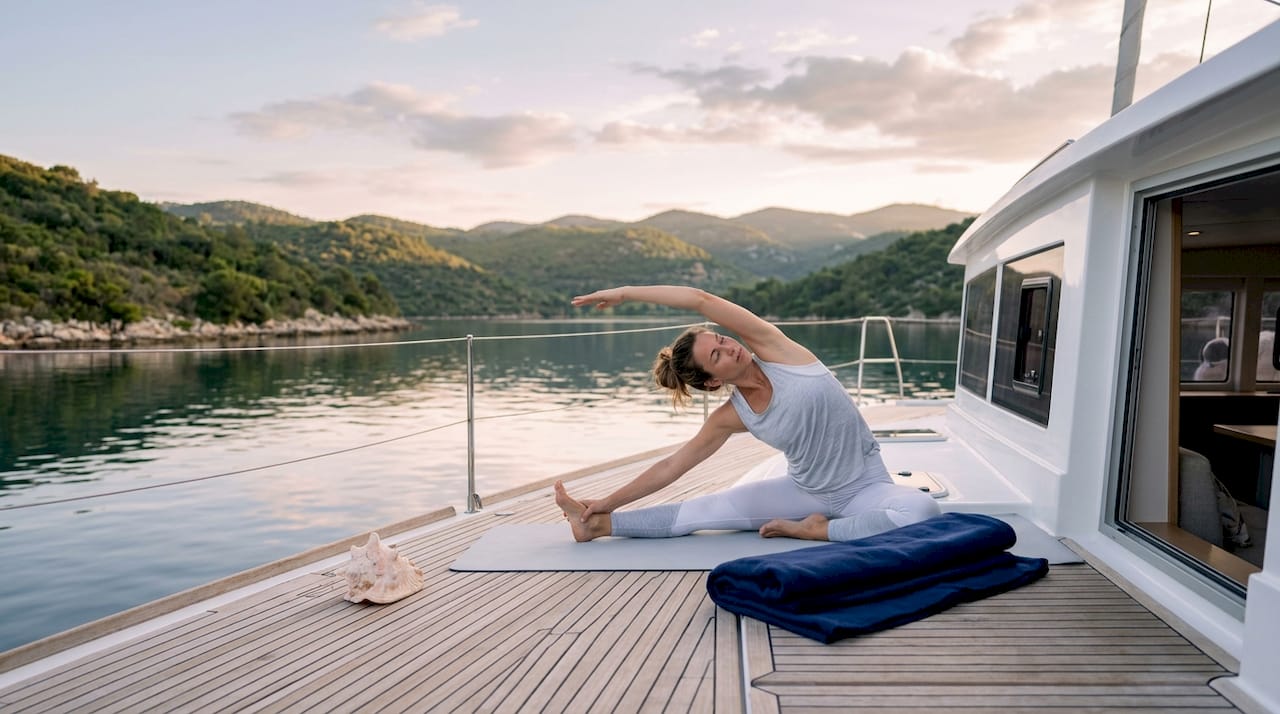
Deck activities deserve more credit than they usually get. Sunrise yoga on a catamaran anchored in a secluded bay, an evening dinner party under the stars, or a birthday celebration with the whole group gathered on the aft deck. These moments are just as memorable as any water sport, and they require almost no equipment. The real role of activities on a sailing trip is to create shared experiences, and deck time does that beautifully.
For those who prefer indoor comfort, many larger charter yachts include spa facilities, gym equipment, and full entertainment systems. These options matter most on longer passages or during unexpected weather, when staying engaged and comfortable below deck keeps the mood high.
Pro Tip: Build your daily schedule around one active water sport, one relaxed deck activity, and one shared meal. This rhythm prevents fatigue, keeps everyone happy regardless of energy levels, and gives the day a natural, satisfying arc.
Here is a comparison of activity types to help you choose:
| Activity type | Best for | Energy level | Equipment needed |
|---|---|---|---|
| Jet skiing | Thrill-seekers, groups | High | Jet ski (charter-supplied) |
| Snorkeling | Families, beginners | Low to medium | Mask, fins, snorkel |
| Deck yoga | Relaxation, wellness | Low | Yoga mat |
| Scuba diving | Certified divers | High | Dive gear, certification |
| Dinner party on deck | Social groups, celebrations | Very low | Food, drinks, good company |
How does yacht etiquette shape your leisure experience?
Yacht etiquette is not about formality for its own sake. It is the practical framework that keeps a shared space pleasant, safe, and running smoothly. When everyone on board follows the same unwritten rules, the crew can focus on delivering great experiences instead of managing friction.
Here are the core etiquette principles that experienced yacht guests follow:
- Be punctual. Schedules on a yacht are tied to tides, winds, and marina reservations. Arriving late to the dock or back from a shore excursion creates a ripple effect that disrupts everyone’s day.
- Follow the shoe rule. Remove street shoes before boarding and wear non-marking boat shoes or go barefoot on deck. Deck protection is a genuine concern, not a quirky preference.
- Attend the safety briefing. The crew’s safety briefing covers life jacket locations, emergency procedures, and equipment use. USCG regulations require a wearable PFD for every person on board, and knowing where yours is before you need it is non-negotiable.
- Respect shared spaces. Cabins are small, common areas are shared, and noise travels easily on a boat. Being considerate in the galley, on deck, and in social spaces keeps the atmosphere relaxed for everyone.
- Communicate with the crew. If you want to change the itinerary, try a new activity, or have a dietary need, tell the skipper early. Flexibility works both ways, and a good crew will do everything they can to accommodate you when given enough notice.
“The guests who have the best time are always the ones who treat the crew as partners, not staff. When you respect the skipper’s expertise and follow the basic rules, the whole trip shifts into a higher gear.”
Expert tips to stay comfortable and safe all day
Comfort and safety are two sides of the same coin on a yacht. When you feel physically good and confident in your surroundings, you can actually relax and enjoy the experience. When you do not, even the most gorgeous anchorage feels stressful.
Sun protection deserves a layered strategy, not just a single bottle of sunscreen. Timed reapplication matters more than the SPF number itself, since water resistance claims are capped at 80 minutes and friction from water sports degrades coverage even faster. Pair your sunscreen with a UPF 50+ rash guard or long-sleeved shirt, and use the shade of the bimini or sail when you are not actively in the water.
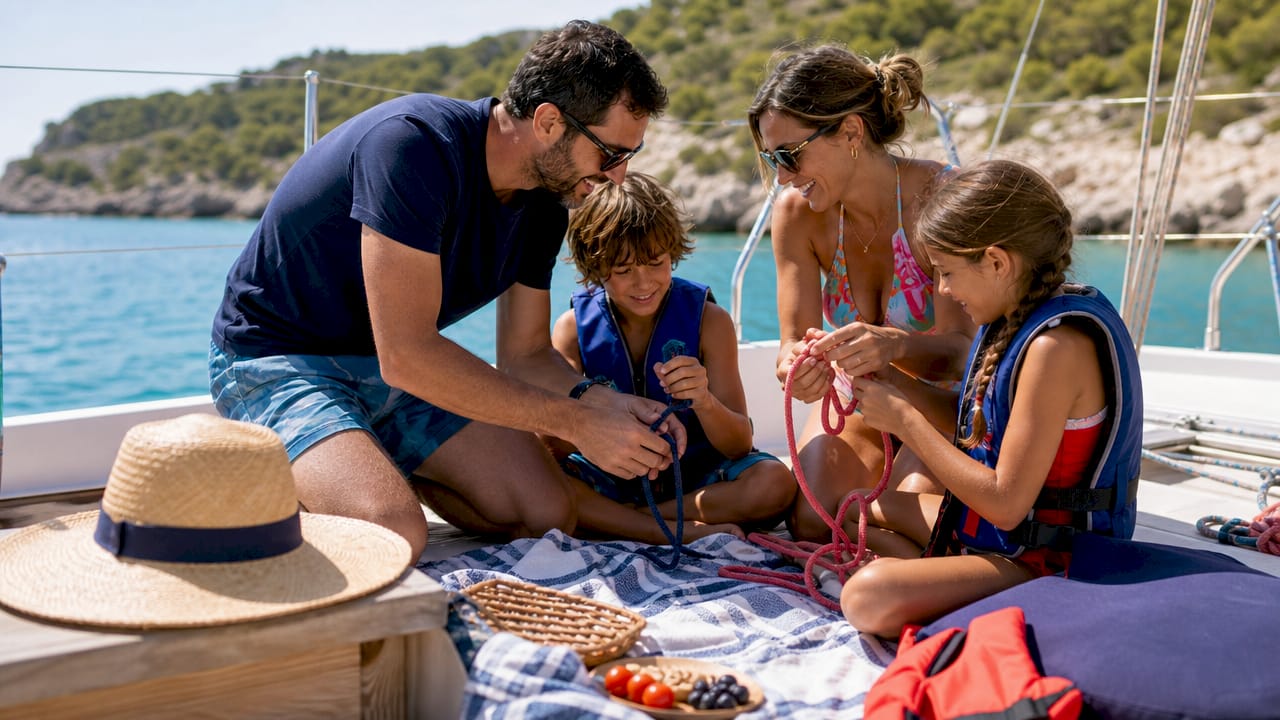
Life jacket selection is worth thinking about before you get on the boat. Inflatable PFDs are comfortable and low-profile, making them popular for sailing and deck activities, but they require regular maintenance and are not ideal for high-impact water sports. Foam PFDs are more durable and reliable for jet skiing or kayaking, though they are bulkier. Test the fit in the water before you need it in an emergency.
Pro Tip: Stay ahead of dehydration by drinking a glass of water for every alcoholic drink you have on board. Sun, salt air, and physical activity accelerate fluid loss faster than most people realize, and dehydration is the number one reason guests feel unwell mid-trip.
A few more habits that experienced yacht travelers swear by:
- Stow your gear in your cabin as soon as you board. Loose bags on deck create trip hazards and slow down crew operations.
- Use a waterproof phone case or dry bag for electronics during water sports. Replacing a phone mid-charter is expensive and ruins the mood.
- Check the yacht type and comfort features before booking. A catamaran offers more deck space and stability for group activities, while a monohull provides a more traditional sailing feel.
- Plan shore excursions the evening before so the skipper can factor them into the next day’s route.
Key takeaways
Maximizing yacht leisure activities requires deliberate preparation, the right gear, a diverse activity mix, and respectful crew interaction working together from day one.
| Point | Details |
|---|---|
| Prepare before you board | Pack soft-sided luggage, SPF 50+ sunscreen, and non-marking boat shoes to avoid delays and discomfort. |
| Layer your sun protection | Combine timed sunscreen reapplication with UPF clothing and shade for lasting UV defense on the water. |
| Mix active and relaxed activities | Balance water sports like snorkeling or jet skiing with deck yoga and shared meals for a sustainable daily rhythm. |
| Follow etiquette from the start | Punctuality, shoe rules, and attending safety briefings protect everyone’s leisure time and keep the crew focused. |
| Use flexible booking tools | Same-day charter platforms offer real-time availability and transparent pricing for spontaneous, stress-free planning. |
What I have learned after years on the water
Here is something most yacht guides will not tell you: the guests who have the worst time are almost never the ones who chose the wrong destination. They are the ones who tried to cram too much in, ignored the crew’s advice, or showed up unprepared and spent the first day recovering from sunburn.
The single biggest shift I have seen in how people enjoy their time at sea is the move toward intentional pacing. You do not need to jet ski, snorkel, visit two ports, and host a dinner party on the same day. Choosing two or three things and doing them well, with full attention and energy, beats a frantic checklist every time. The sea is not going anywhere. The secluded bay will still be there after lunch.
I am also genuinely excited about what same-day charter booking technology is doing for spontaneous travelers. The old model of planning a yacht holiday months in advance still works beautifully for group trips and sailing weeks, but the ability to wake up on a sunny Tuesday and book a day on the water by noon is a real shift. It removes the intimidation factor for first-timers and gives experienced sailors a way to extend their time on the water without a major commitment.
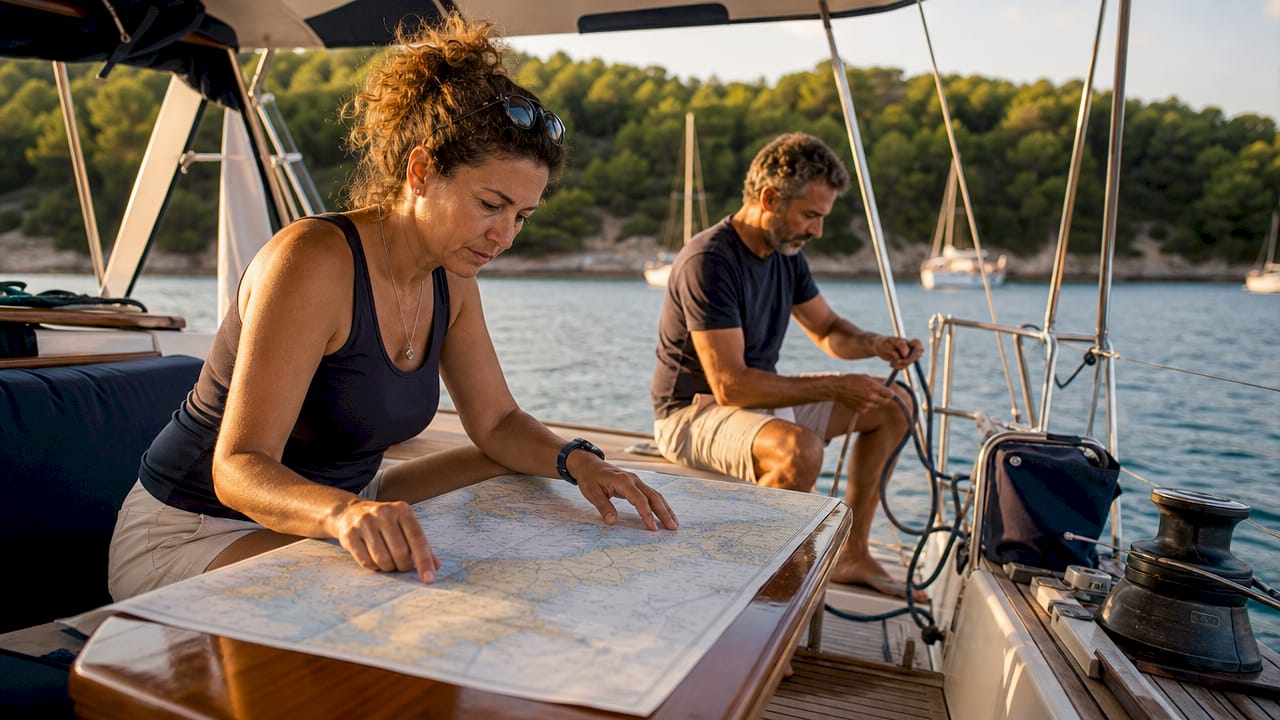
The other thing I keep coming back to is crew respect. A great skipper knows the local waters, the best anchorages, and the hidden coves that do not appear on any tourist map. When you treat that knowledge as a resource rather than a service, your whole trip changes. Ask questions. Follow the briefing. Be on time. The reward is a level of access and experience that no amount of money can simply buy.
— Sail
Plan your perfect sailing holiday with Sailarmada
If this guide has you picturing crystal-clear water, a sun-warmed deck, and a skipper who knows exactly where to drop anchor for the best snorkeling, Sailarmada can make that real. Sailarmada offers private sailing holidays across Greece, Croatia, Italy, Sardinia, and Turkey, with flexible itineraries built around your group’s interests. Whether you want an adventure-packed week of water sports or a slow, relaxed cruise between gorgeous coastal towns, the experienced crew handles the logistics so you can focus entirely on enjoying the experience. Explore your options and check availability to start planning the sailing holiday you have been thinking about.
FAQ
What are the best activities for leisure time on a yacht?
Water sports like snorkeling, kayaking, and jet skiing are the most popular choices, while deck yoga, social dinners, and shore excursions offer excellent variety. The best mix depends on your group’s energy levels and interests.
How do I plan yacht excursions effectively?
Discuss your preferred stops with the skipper the evening before so the route can be planned around tides and wind conditions. Same-day charter platforms also allow flexible, last-minute excursion booking with real-time availability.
What sun protection do I need for a day on a yacht?
Use SPF 50+ sunscreen and reapply every 80 minutes, since water and friction degrade coverage quickly. Pair it with a UPF 50+ shirt and use available shade for full-day protection.
Do I need a life jacket for all yacht activities?
USCG regulations require a wearable PFD for every person on board. Specific activities like jet skiing and kayaking call for different PFD types, so check with your crew before heading out.
What luggage should I bring on a yacht charter?
Soft-sided duffel bags are the standard choice because they fit into compact yacht storage and do not damage deck surfaces. Leave hard-shell suitcases at home.