You enjoy local culture during sailing by slowing down, stepping ashore often, and spending your money where locals actually work. The formula is simple: fewer ports, more time in each, real conversations instead of photo stops. Responsible Travel’s sailing guide notes that small sailing vessels can moor where cruise ships never fit, which opens the door to genuine contact if you actually walk off the boat and use it. Here’s your quick-start checklist:
- Time your route around a market day or a village festival, not just good wind.
- Learn five local phrases before you leave the marina.
- Anchor near real villages, not just resort harbors.
- Eat where the fishermen eat, and ask your skipper who they know ashore.
Principalele concluzii
Authentic cultural immersion during sailing comes from slowing your itinerary, going ashore deliberately, and directing your spending toward local producers and guides.
| Punct | Detalii |
|---|---|
| Slow down your route | Fewer ports with longer stays create more chances for real invitations than a packed schedule. |
| Prepare basic phrases | A handful of greetings and thank-yous noticeably warms up onshore interactions. |
| Behave with intention ashore | Ask before photographing, shop with small vendors, and walk in small groups rather than a crowd. |
| Use the boat as access, not isolation | Anchor near working harbors and villages, not just resort marinas, to reach less-touristed places. |
| Choose Sailarmada for built-in immersion | Curated itineraries and experienced skippers connect guests to local contacts and cultural stops from day one. |
Cuprins
- How to Enjoy Local Culture During Sailing Through Smart Route Planning
- What Should You Prepare Before Your Sailing Trip?
- How Should You Behave Onshore to Connect With Locals?
- Can Your Boat Help You Reach Authentic, Less-Touristed Places?
- How Do You Spend Money to Genuinely Support Local Communities?
- What Should You Ask Your Skipper Before Going Ashore?
- Let a Curated Sailing Holiday Do the Cultural Groundwork for You
- Sources
How to Enjoy Local Culture During Sailing Through Smart Route Planning
Pick a slow route, then build your calendar around it. A trip with four unhurried stops beats one with eight rushed ones every time, because culture reveals itself in the second or third hour ashore, not the first twenty minutes.
Before you leave, check local tourism boards and village Facebook groups for market days, saints’ day celebrations, and harvest festivals. Sail100 points out that planning around these events can turn an ordinary stop into a once-in-a-lifetime moment, since locals often welcome visitors into the celebration itself rather than treating them as spectators.
There’s a real trade-off here. Linger two or three days in fewer harbors and you’ll get invited to things. Hop through six ports in a week and you’ll mostly see marinas and gift shops. Neither is wrong, but only one delivers what you’re actually after.
- Research market schedules and festival calendars two to three weeks out.
- Build one buffer day into your itinerary for spontaneous invitations.
- Ask your skipper which villages have working fishing fleets, not just tourist docks.
Sfat profesional: Ask your skipper for one local phone number, whether it’s a taverna owner or a fish market vendor. That single contact often becomes your gateway to everything else.
What Should You Prepare Before Your Sailing Trip?
Learn a handful of phrases, research local customs, and pack with onshore visits in mind. These three steps take an evening, and they change how people treat you the moment you step off the dinghy. Responsible Travel’s data shows that even basic phrases and modest dress noticeably improve how warmly locals respond to visitors arriving by sea.
Memorize these before departure:
- A greeting (good morning, good evening).
- “Thank you” and “please.”
- “How much does this cost?”
- “What do you recommend?” for ordering food.
Pack with intention, not just for the boat:
- Modest clothing for churches, monasteries, and village squares.
- Small gifts from home (postcards, local candy) for hosts who invite you in.
- Cash in small local bills for markets that don’t take cards.
- Comfortable shoes for cobblestones and hill villages.
Before you land, confirm three things with your skipper or host: the best anchorage for walking into town, any local contacts worth calling ahead, and which taverna they’d actually recommend to a friend.
How Should You Behave Onshore to Connect With Locals?
Listen more than you talk, ask before you photograph, and buy from the person standing in front of you rather than the nearest souvenir stand. Rizzlane’s guide to island culture makes the case plainly: cultural immersion is a sensory experience, and you only get it on foot, wandering a market or watching an artisan work.
Small behaviors open big doors:
- Approach a workshop slowly, watch for a moment, then ask a question before asking to buy.
- Always ask permission before photographing someone, even in a public market.
- Say thank you in the local language, even if the rest of your sentence is English with hand gestures.
- Order the dish the taverna owner recommends, not the one you already know.
Conversation starters work differently depending on where you are. At a market, ask what’s freshest today. At a taverna, ask what the owner’s family has cooked for generations. At a workshop, ask how long the craft took to learn. Each question invites a story instead of a transaction.
Sfat profesional: Skip the large group entrance. Walk ashore in twos or threes instead of a pack of eight, use the dinghy quietly rather than gunning the engine into a quiet cove, and you’ll notice locals engage differently within minutes.
Can Your Boat Help You Reach Authentic, Less-Touristed Places?
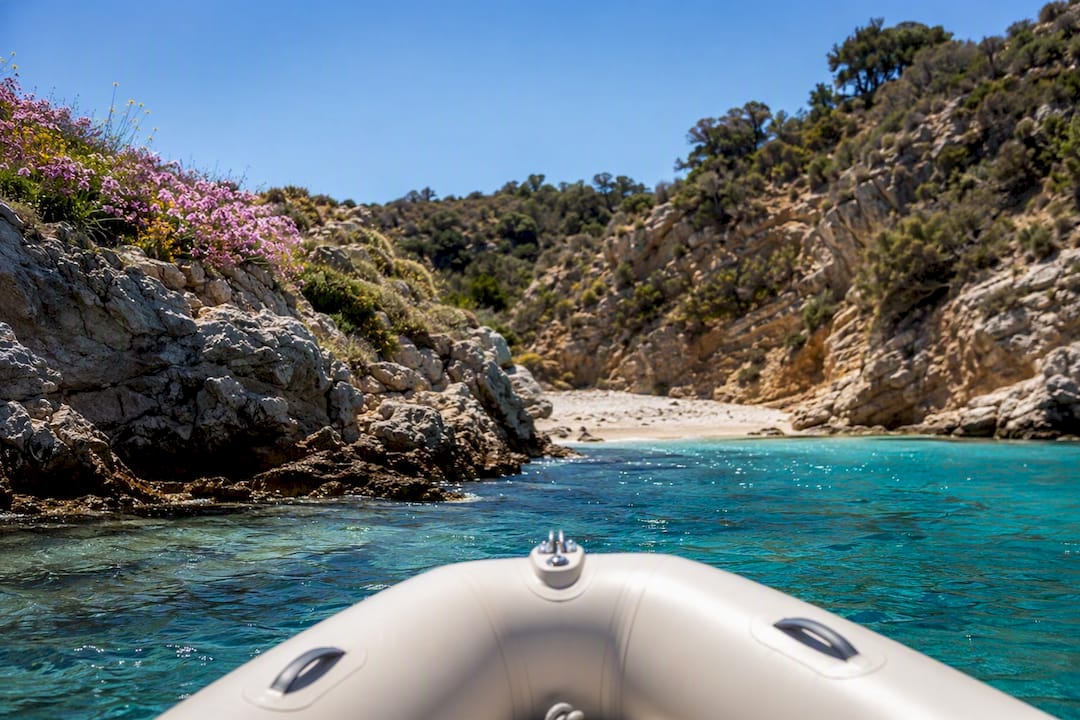
Yes. Your boat is the access tool that gets you past the cruise-ship crowds and into villages that depend on small numbers of visitors, not thousands. Responsible Travel confirms that small sailing vessels moor where larger ships physically cannot, spreading tourism benefit to places that need it.
Choose anchorages near working harbors and family-run marinas over resort-style docks. Time your dinghy landings for mid-morning or late afternoon, when villages are active but not overwhelmed by other boats. Beach landings work for quiet coves, but a proper marina berth respects a fishing town’s rhythm better than dropping anchor in its only channel.
- Ask your skipper which anchorages favor local tavernas over chain restaurants.
- Confirm dinghy landing points that don’t block fishing boats.
Sfat profesional: Have your skipper call ahead to a local guide or harbor contact. A five-minute introduction on the radio often turns a cold arrival into a warm one.
How Do You Spend Money to Genuinely Support Local Communities?
Buy from family-run tavernas, market stalls, and independent guides before anything with a tourist-menu sign out front. Responsible Travel’s guidance recommends sourcing crew, produce, and services locally to spread economic benefit and deepen the exchange itself.
- Look for menus in the local language first, English second, as a sign of an authentic kitchen.
- Tip modestly but consistently, following whatever the local norm actually is.
- Ask before photographing a vendor’s stall, and buy something if you plan to shoot it.
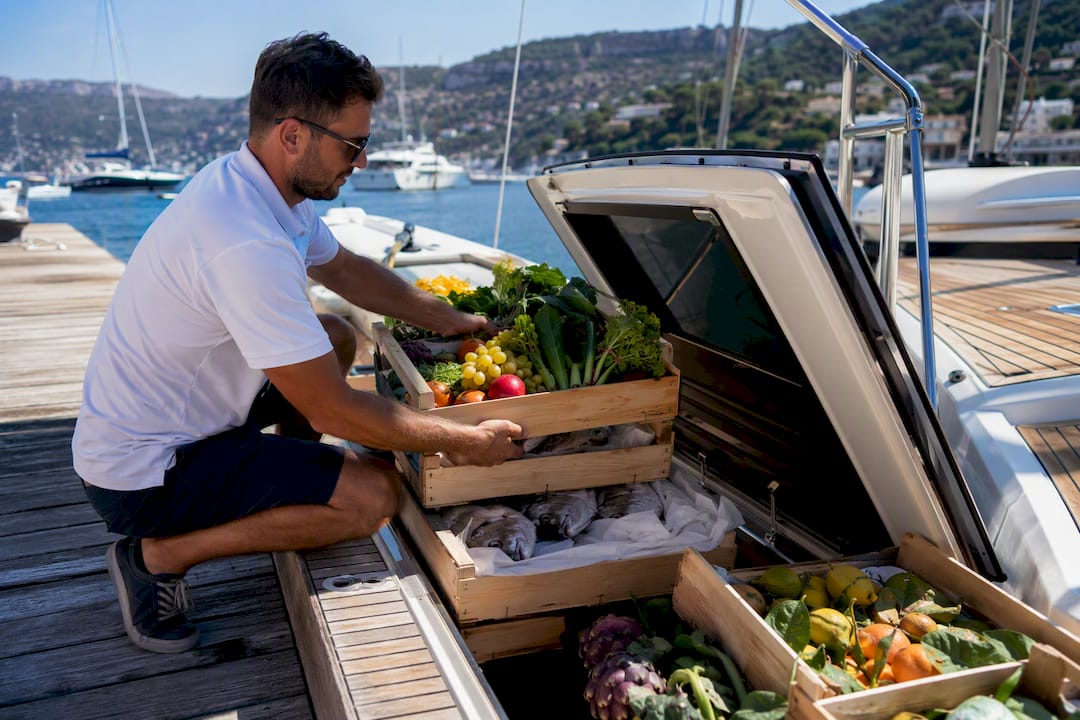
Sfat profesional: Buy fish or produce directly from a market vendor and cook it aboard that night. It’s a small purchase, but it puts money straight into a producer’s hands and gives your crew a real taste of the region. This kind of dock-and-dine habit also happens to make for the best meals of the trip.
What Should You Ask Your Skipper Before Going Ashore?
Four questions change your entire onshore experience: When is the market? Who should we talk to about local festivals? Where do you actually eat? Is anchoring here safe and welcome?
Confirm this short checklist with your crew before each landing:
- Is the anchorage stable and considered acceptable by locals?
- Do we have a local contact or recommendation for this stop?
- Do we have enough local cash on hand?
- Where’s the nearest market or village square?
Ready phrases to keep on your phone or a notecard:
- “Good morning” / “Good evening.”
- “Thank you very much.”
- “What do you recommend?”
- “May I take a photo?”
Ask before photographing people, accept spontaneous invitations warmly, but read body language. If someone seems rushed or hesitant, a polite exit beats a pushed interaction every time.
A Tip From Experienced Charter Guests
The guests who come back year after year all say the same thing: the trip’s best moment almost never happens on the boat. It happens at a table in someone’s family taverna after asking one honest question. Skippers who’ve spent years on these routes will tell you that a slow, curious traveler always leaves with better stories than a rushed one.
Let a Curated Sailing Holiday Do the Cultural Groundwork for You
Planning slow stops, chasing festival calendars, and finding the right local contact takes real effort when you’re doing it solo. A curated sailing holiday with Sailarmada removes most of that friction, because your itinerary and your skipper do the legwork before you even step aboard.
Sailarmada builds routes around villages and harbors that experienced skippers already know, the kind of places where the taverna owner recognizes the crew and the market vendor waves you over. Instead of guessing which anchorage favors local businesses, you get a curated Mediterranean itinerary designed with cultural stops already built in, alongside skippers who can point you toward the right workshop or the right feast day. If you’re sailing with a group, a vacanță privată de navigatie gives you the flexibility to linger an extra day when a village turns out to be worth it. Check current departure dates and start mapping a trip that actually gets you off the boat and into local life.
Sources
These sources shaped the guidance above and offer deeper reading on responsible sailing and maritime culture.
- Responsible sailing holidays — Responsible Travel
- How to experience island culture from the deck of your yacht — Rizzlane