
Alegerea unor date greșite de navigație poate distruge chiar și cea mai interesantă excursie de grup. Marea Mediterană este uimitoare în aproape fiecare lună, dar care Luna în care navigați schimbă totul: forța vântului, mărimea mulțimii la ancorarea dvs. preferată, prețul charterului dvs. și dacă copiii dvs. sau prietenii care navighează pentru prima dată chiar se simt bine. Acest ghid pentru alegerea datelor vacanțelor de navigație vă prezintă condițiile sezoniere, tiparele de vânt, termenele de rezervare și strategiile practice de flexibilitate de care aveți nevoie pentru a alege momentul potrivit și a vă întoarce acasă plănuind deja următoarea călătorie.
Cuprins
- Înțelegerea anotimpurilor și condițiilor de navigație în Marea Mediterană
- Evaluarea priorităților grupului dumneavoastră: vreme, confort și toleranța mulțimii
- Navigarea modelelor de vânt și dinamica navigației pentru o experiență optimă
- Strategii de rezervare și sfaturi de flexibilitate pentru date de navigație fără stres
- Maximizarea experienței dvs. de vacanță de navigație prin opțiuni flexibile de date
- Regândirea înțelepciunii convenționale privind alegerea datelor vacanțelor de navigație
- Găsiți data perfectă pentru vacanța de navigație cu Sail Armada
- Întrebări frecvente
Principalele concluzii
| Punct | Detalii |
|---|---|
| Sezonul de navigație Core | Navigarea pe Marea Mediterană se desfășoară din aprilie până în octombrie, cu variații semnificative în fiecare lună în ceea ce privește vremea, aglomerația și prețurile. |
| Prioritizarea flexibilității | Alegerea unor intervale de date flexibile permite grupurilor să se adapteze la vreme și să reducă stresul pentru o călătorie mai ușoară. |
| Înțelegerea tiparelor de vânt | Vânturile precum Meltemi ating vârful în după-amiezile de vară; planificarea navigației în orele de dimineață îmbunătățește confortul. |
| Rezervați din timp pentru vârf | Rezervați săptămânile de vară de vârf cu 9-12 luni înainte și luați în considerare mai multe săptămâni acceptabile în luna dorită. |
| Beneficiile sezonului de umăr | Lunile de umăr oferă mări calde, mai puțină aglomerație și reduceri de costuri, ideale pentru vacanțe relaxate în grup. |
Înțelegerea anotimpurilor și condițiilor de navigație în Marea Mediterană
The Sezonul central mediteranean se desfășoară din aprilie până la sfârșitul lunii octombrie, dar această fereastră de șase luni acoperă experiențe de navigație extrem de diferite în funcție de momentul în care plecați. Cunoașterea acestor diferențe este primul pas real în orice ghid serios de planificare a unei vacanțe pe mare.
Iată o scurtă imagine a modului în care se schimbă condițiile de-a lungul sezonului:
| Luna | Temperatura mării | Mulțimi | Forța vântului | Nivelul prețurilor |
|---|---|---|---|---|
| Aprilie | Rece (16-18°C) | Foarte scăzut | De la ușoară la moderată | Prietenos cu bugetul |
| Mai | Confortabil (19-21°C) | Scăzut | Moderat | De la scăzut la mediu |
| iunie | Cald (23-24°C) | Moderat | Clădire | Mijlociu |
| iulie | Cald (26-27°C) | Înaltă | Puternic (Meltemi) | Vârf |
| August | Cald (27-28°C) | Foarte ridicat | Foarte puternic | Vârf |
| Septembrie | Cald (25-26°C) | Moderat | Relaxare | De la mediu la scăzut |
| octombrie | Plăcută (22-24°C) | Scăzut | De la ușoară la moderată | Prietenos cu bugetul |
Câteva lucruri ies în evidență. Aprilie și octombrie sunt luni cu adevărat subestimate pentru navigație, în special pentru grupuri mici sau familii care preferă liniștea în locul agitației sociale din iulie. Da, marea este mai rece, dar veți găsi ancoraje goale, costuri de închiriere mai mici și o atmosferă mai autentică în orașele portuare care sunt încă în mare parte nedescoperite de mulțimile din sezonul de vârf.
Iulie și august sunt cu totul altceva. Căldura este glorioasă, atmosfera este electrică, iar apusurile de soare sunt uluitoare. Dar tot în această perioadă veți găsi 50 de ambarcațiuni care concurează pentru același loc de acostare în Hvar sau Santorini, iar vânturile puternice de după-amiază pot face călătoriile cu adevărat inconfortabile dacă nu v-ați planificat cu atenție.
Principalele date sezoniere care merită reținute:
- Primăvara (aprilie-mai): Ideală pentru marinarii experimentați care se bucură de pasaje active și nu se supără de înoturi mai reci.
- Începutul verii (iunie): Adesea numit de comandanți locul ideal: cald, relativ neaglomerat și accesibil.
- Vârful verii (iulie-august): Cel mai bun pentru grupuri de petrecăreți și adolescenți care iubesc scena barurilor de pe plajă, dar necesită o planificare atentă a vântului.
- Sezonul de mijloc (septembrie - octombrie): Apă caldă, mai puține bărci și un ritm vizibil mai calm pe care familiile îl adoră.
Îmbinarea cunoștințelor sezoniere cu traseul potrivit multiplică cu adevărat plăcerea. Check out Itinerarii mediteraneene de navigație pentru grupuri pentru a vedea cum diferite rute se potrivesc cu diferite anotimpuri.
Acum că cunoașteți peisajul sezonier al navigației, haideți să analizăm cum să îl adaptăm la preferințele grupului dvs.
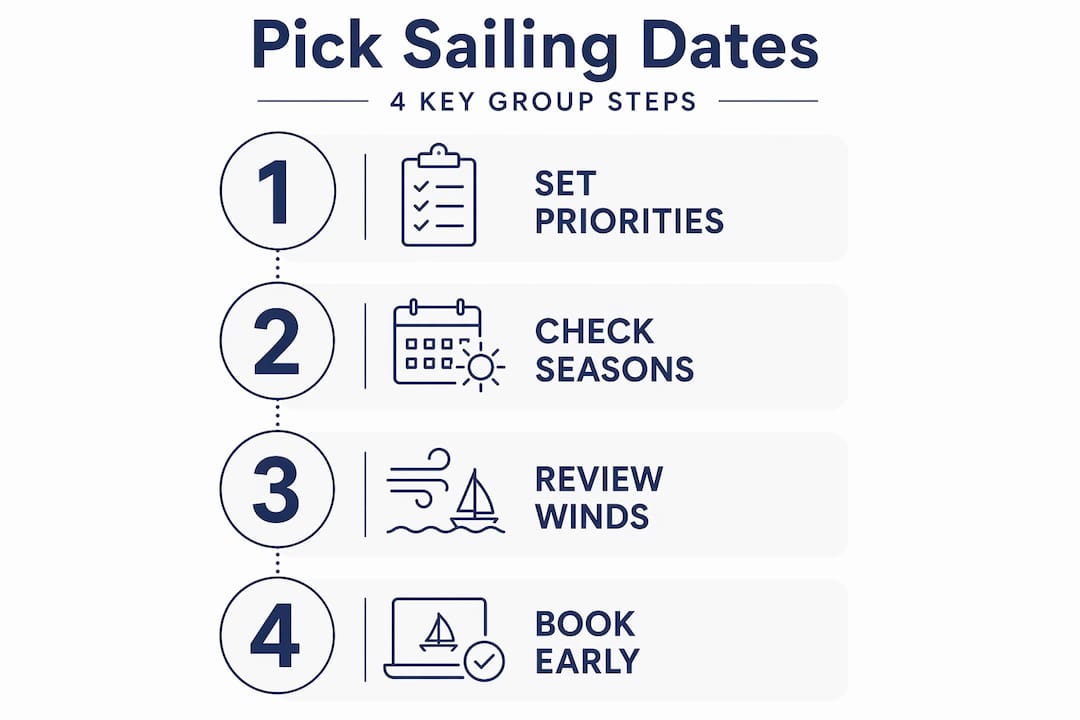
Evaluarea priorităților grupului dumneavoastră: vreme, confort și toleranța mulțimii
Fiecare grup este diferit, iar cele mai bune recomandări de date pentru vacanța de navigație încep întotdeauna cu o întrebare sinceră: cine vine de fapt în această călătorie? Un grup de prieteni vechi de facultate care urmăresc barurile de pe plajă și nopțile târzii are nevoi complet diferite față de o familie cu doi copii mici care au nevoie de sieste după-amiaza și ancorări calme.
Înainte de a stabili orice dată, luați în considerare aceste priorități:
- Temperatura mării: Familiile cu copii mici sau adulții mai puțin sportivi au adesea nevoie de o temperatură a apei de peste 24°C pentru a se simți cu adevărat confortabil înotând. Acest lucru înseamnă că perioada iunie-septembrie se încadrează perfect în această categorie.
- Confortul vântului: Navigatorii începători și pasagerii nerăbdători se descurcă mai bine în condiții de vânt mai slab. Iunie și începutul lui septembrie tind să ofere condiții mai tolerante decât vârful lunii iulie.
- Toleranța mulțimii: Dacă grupul dvs. pune mai mult preț pe golfurile izolate decât pe viața de noapte agitată din porturi, sezonul de mijloc este prietenul dvs.
- Buget: În perioada de vârf a verii, charterurile pot costa între 30 și 50% mai mult decât aceeași barcă în mai sau octombrie. Acesta este un număr real care merită discutat în prealabil cu grupul.
Un lucru pe care marinarii cu experiență de charter sunt aproape universal de acord: înghesuirea prea multor lucruri într-o călătorie scurtă creează stres și nefericire, în special în sezonul de vârf, când totul durează mai mult. Flexibilitatea și un ritm relaxat contează mai mult decât vizitarea fiecărei insule de pe lista ta de dorințe.
The sfaturi de confort pentru navigarea în familie de pe site-ul nostru web detaliază ce funcționează pentru diferite grupe de vârstă și niveluri de experiență. Merită să citiți înainte de a finaliza ceva.
Sfat profesional: Sondați-vă grupul înainte de rezervare. Puneți două întrebări simple: “Ce ar face această excursie extraordinară pentru voi?” și “Ce ar strica-o?” Răspunsurile vă formează intervalul de date ideal mai fiabil decât orice ghid sezonier general.
Odată ce prioritățile grupului dvs. sunt clare, acum puteți lua în considerare mai detaliat tiparele vântului pentru a vă planifica trecerile cu înțelepciune.
Navigarea modelelor de vânt și dinamica navigației pentru o experiență optimă
Vântul este variabila invizibilă pe care majoritatea planificatorilor de grupuri o subestimează. Este, de asemenea, cea care poate transforma o săptămână de navigație de vis în ceva cu adevărat epuizant, dacă nu ați planificat pentru ea.
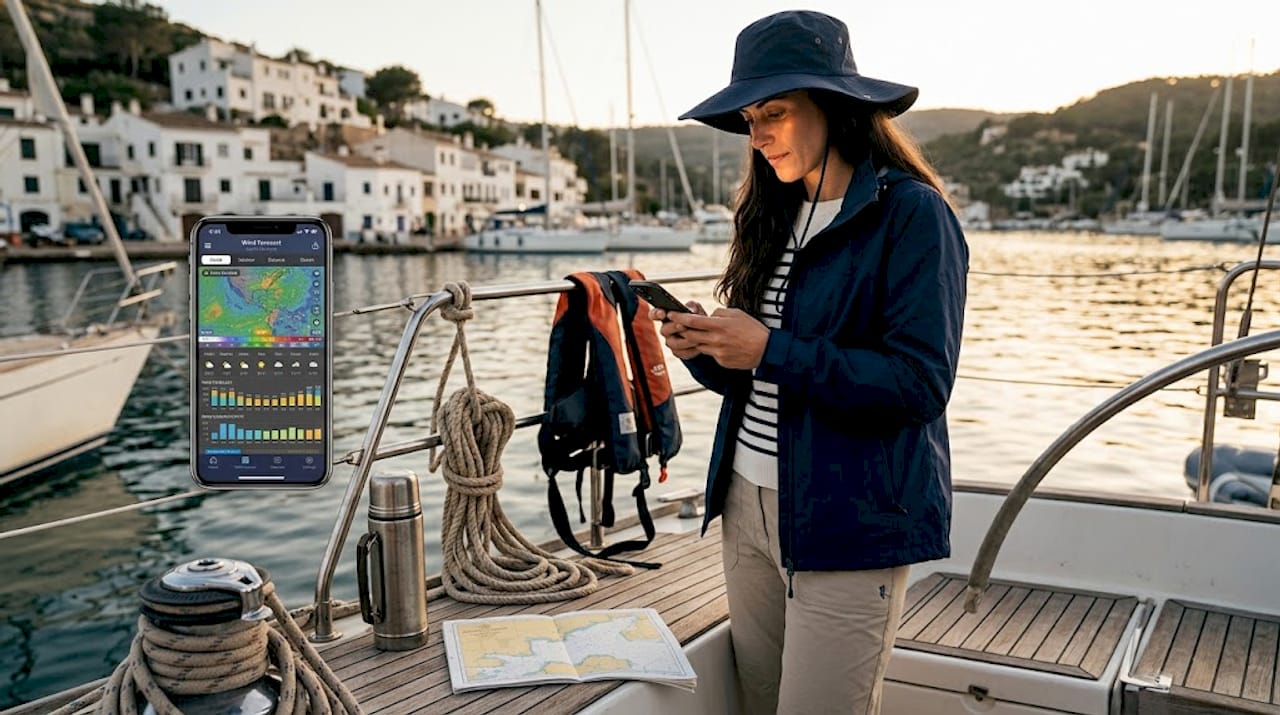
Cel mai important vânt regional care trebuie înțeles în Marea Mediterană este Meltemi (melt-EH-mee), un vânt puternic, uscat, din nord, care domină Marea Egee și în special insulele Cyclades din Grecia de la sfârșitul lunii mai până la jumătatea lunii septembrie. Dimineața este o vreme frumoasă pentru navigație. La începutul după-amiezii, vântul se întețește rapid.
Vânturile Meltemi ating apogeul la orele amiezii sau după-amiezii, producând rafale puternice care pot face trecerile în ape deschise inconfortabile pentru oricine nu este încrezător pe mare. Abordarea inteligentă este de a planifica în jurul acestora, nu de a le combate.
Iată cum își structurează comandanții experimentați zilele de navigație în timpul sezonului Meltemi:
- Plecați devreme. Părăsiți ancorajul la ora 8 sau 9 dimineața pentru a profita la maximum de condițiile de dimineață calmă și pentru a ajunge înainte de intensificarea vântului.
- Ancoră până la prânz. Mulți marinari experimentați încearcă să coboare ancora sau să lege parâmele înainte de ora 13, când vântul se intensifică.
- După-amiază înotați și explorați. Acesta este exact momentul în care doriți să vă scufundați în largul prova, să explorați o plajă sau să vă plimbați printr-un sat curățat cu var.
- Planificați opriri de noapte la adăpost. Căutați ancorări ascunse în spatele promontoriilor sau în interiorul golfurilor protejate pentru a reduce la minimum mișcarea navelor peste noapte.
- Proiectați-vă ruta pentru a naviga în vânt descendent. Rutele care se potrivesc cu vânturile predominante din nord, în loc să le înfrunte, creează pasaje mult mai plăcute.
În Croația, veți întâlni Bora (un vânt puternic din larg din nord-est) și Jugo (un vânt cald din sud care aduce valuri). Ambele sunt foarte localizate, iar comandantul dvs. va ști exact cum să le citească și să schimbe ruta în consecință.
Sfat profesional: Când planificarea vacanțelor de navigație în grup, includeți întotdeauna o “zi de odihnă” fără navigație în itinerariul dvs. pentru fiecare patru sau cinci zile de navigație. Acest tampon absoarbe după-amiezile vântoase și oferă grupului timp să se relaxeze cu adevărat, în loc să fie mereu în mișcare.
În continuare, să traducem această planificare în strategii practice de rezervare și selecție a datei pentru a vă asigura charterul ideal.
Strategii de rezervare și sfaturi de flexibilitate pentru date de navigație fără stres
Timing când cartea ta contează la fel de mult ca și momentul când navigați. Când să vă rezervați vacanțele de navigație este una dintre cele mai frecvente întrebări pe care le auzim de la grupuri, iar răspunsul scurt este: mai devreme decât credeți.
Vârfurile charter de vară necesită 9 până la 12 luni de timp, iar selectarea a două sau trei săptămâni acceptabile într-o lună vă îmbunătățește semnificativ șansele de a vă asigura de ambarcațiunea potrivită. Așteptarea până cu trei luni înainte de plecarea din iulie înseamnă aproape întotdeauna compromiterea dimensiunii, tipului sau locației iahtului.
Iată un calendar practic de rezervare în funcție de sezon:
| Sezonul | Luni până la rezervare | Note |
|---|---|---|
| Vârful verii (iulie-august) | Între 9 și 12 luni | Cele mai bune iahturi merg mai întâi; flexibilitate limitată mai târziu |
| Începutul verii (iunie) | Între 6 și 9 luni | Selecție bună încă disponibilă |
| Umăr (mai, septembrie) | 3 până la 6 luni | Mai multă flexibilitate și posibilitate de oferte last-minute |
| În afara perioadei de vârf (aprilie, octombrie) | 1 până la 3 luni | Cea mai bună valoare, cea mai mare disponibilitate |
Alte câteva sfaturi de rezervare care fac o diferență reală:
- Alegeți o fereastră de date, nu o săptămână fixă. Spuneți brokerului dvs. de charter că puteți pleca oricând între 7 și 28 iunie și vă veți îmbunătăți dramatic opțiunile.
- Evitați, pe cât posibil, săptămânile de vacanță școlară. În Europa, ultimele două săptămâni din iulie și primele două săptămâni din august reprezintă vârful de vârf. Chiar și decalarea cu o săptămână poate determina o scădere semnificativă a prețurilor.
- Întrebați despre disponibilitatea de ultim moment în sezonul de vârf. Operatorii oferă uneori reduceri semnificative pentru săptămânile nevândute în mai sau septembrie, în special pentru clienții fideli.
- Confirmați din timp numărul membrilor echipajului. Ambarcațiunile sunt evaluate și certificate în funcție de capacitatea maximă de pasageri. Schimbarea târzie a numărului de membri ai echipajului creează bătăi de cap.
Pentru o prezentare completă a modului în care vă puteți bloca rezervarea cu încredere, pagina rezervare pas cu pas a vacanței de navigație este incredibil de util.
Odată ce datele dvs. sunt rezervate, pregătirea și înțelegerea așteptărilor vor asigura o execuție fără probleme.
Maximizarea experienței dvs. de vacanță de navigație prin opțiuni flexibile de date
Vacanțele minunate de navigație nu se bazează doar pe vreme perfectă. Ele se bazează pe capacitatea de a pivota grațios atunci când condițiile se schimbă și de a găsi bucurie în momentele neplanificate. Un golf izolat în care ați nimerit din întâmplare pentru că vântul și-a schimbat direcția? Aceasta este adesea amintirea despre care toată lumea vorbește ani de zile.
Succes pe o vacanță de navigatie depinde mult mai mult de adaptarea la condiții și de utilizarea cunoștințelor locale decât de un itinerar fix perfect.
Iată cum să dezvolți această adaptabilitate în călătoria ta încă din prima zi:
- Participați cu seriozitate la ședința de informare a comandantului. Verificarea meteo de dimineață și sugestia de rută a comandantului dvs. se bazează pe cunoștințe locale reale. Aveți încredere în ea și construiți-vă ziua în funcție de ea.
- Aveți în vedere două sau trei puncte de ancorare “de rezervă”. Dacă oprirea planificată este supraaglomerată sau expusă la valuri, cunoașterea alternativelor menține grupul relaxat și nu dezamăgit.
- Nu programați zboruri cu conexiune strânsă. Crearea unei zile tampon înainte de zborul de întoarcere este unul dintre cele mai puțin utilizate trucuri pentru a petrece vacanțele fără stres.
- Lăsați grupul să voteze cu privire la prioritățile zilnice. Unii oameni vor să navigheze mai mult; alții vor mai mult timp pe plajă. O verificare de dimineață îi menține pe toți investiți.
“Ambarcațiunile care au cele mai bune săptămâni sunt cele care se adaptează. Un căpitan bun nu urmează o hartă, ci citește marea. Grupurile care adoptă această mentalitate ajung întotdeauna să aibă povești mai bune.”
Această mentalitate flexibilă se aplică și tipului de charter pe care îl alegeți. Chartere private de iahturi oferă grupului dvs. libertatea completă de a ajusta rutele, de a schimba opririle și de a petrece o noapte în plus într-un loc magic, fără a fi nevoie să vă coordonați cu străinii.
După ce am explorat cum să vă maximizăm experiența, haideți să împărtășim o perspectivă unică asupra miturilor și perspectivelor comune de planificare.
Regândirea înțelepciunii convenționale privind alegerea datelor vacanțelor de navigație
Iată ceva ce majoritatea ghidurilor de planificare a vacanțelor de navigație nu vă vor spune: obsesia de a găsi săptămâna “perfectă” este adesea cea care creează cel mai mare stres.
Grupurile care se fixează pe datele de vârf din iulie pentru că au auzit că luna iulie este “cea mai bună” ajung adesea să concureze pentru spațiul de acostare, să plătească bani grei și să navigheze prin cele mai puternice vânturi ale sezonului. Între timp, grupurile care au ales iunie sau septembrie pentru că acele săptămâni se potriveau cu programul, bugetul și flexibilitatea lor se întorc strălucitoare.
Datele meteorologice perfecte există doar în retrospectivă. Ceea ce pare ideal într-un calendar sezonier poate fi o mizerie de vânt în realitate, iar o săptămână din “sezonul de mijloc” vă poate surprinde cu cea mai caldă mare în care ați înotat vreodată.
Există, de asemenea, un aspect al dinamicii de grup care este rareori discutat. Atunci când un grup se angajează prea mult într-o anumită săptămână din sezonul de vârf și se confruntă cu întârzieri, cu haosul zborurilor sau cu o zi de odihnă forțată de vreme, stresul este amplificat deoarece toată lumea simte presiunea “avem doar această săptămână”. Grupurile cu o abordare mai fluidă, în care spiritul de aventură este încorporat încă din prima zi, fac față perturbărilor mult mai ușor.
Sfatul nostru sincer? Prioritizarea comandantului dvs. cunoștințe locale și luarea deciziilor în timp real față de orice calendar sezonier fix. Alegeți două sau trei săptămâni acceptabile mai degrabă decât o dată nenegociabilă. Și acceptați din timp că vremea este un personaj în povestea voastră de navigație, nu un obstacol în calea ei.
Grupurile care revin an de an nu sunt aproape niciodată cele care au avut condiții perfecte. Ei sunt cei care au navigat cu o mentalitate deschisă și au lăsat marea să-și facă treaba.
Găsiți data perfectă pentru vacanța de navigație cu Sail Armada
Alegerea datelor potrivite de navigație este mult mai ușoară atunci când ai alături de tine oameni cu experiență. La Sail Armada, ajutăm grupurile și familiile din întreaga Mediterană să găsească datele care corespund priorităților lor, fie că este vorba de locul ideal din iunie, de seninătatea din septembrie sau de o escapadă în octombrie cu buget redus pe un catamaran superb.
Echipa noastră oferă opțiuni flexibile de rezervare, astfel încât schimbarea numărului de membri ai echipajului sau schimbarea unei săptămâni să nu devină o dramă. Am creat rute în Grecia, Croația, Italia și Turcia cu vacanțe private de navigatie personalizate pentru grupuri reale cu nevoi și niveluri de experiență diferite. Dacă nu sunteți sigur de unde să începeți, site-ul nostru ghid de rezervare pentru grupuri de iahturi vă ghidează prin întregul proces, iar itinerariile noastre de navigatie curatate fac ca potrivirea datei cu destinația să fie simplă și interesantă.
Întrebări frecvente
Care este cea mai bună lună pentru a rezerva o vacanță de navigație în Marea Mediterană pentru familii?
Septembrie este în mod constant cea mai bună alegere pentru familii, deoarece prețurile scad cu 30 la 40% în comparație cu luna august, în timp ce temperaturile mării rămân ridicate, iar mulțimea scade considerabil.
Cu cât timp în avans ar trebui grupurile să își rezerve datele pentru vacanța de navigație?
Pentru perioada de vârf a verii, rezervați cu 9 până la 12 luni înainte; charterele din sezonul de mijloc din mai sau septembrie sunt de obicei disponibile cu trei până la cinci luni înainte.
De ce este importantă flexibilitatea în ceea ce privește datele vacanțelor de navigație?
Flexibilitatea permite grupului dvs. să se adapteze la condițiile reale, mai degrabă decât la prognoze, ceea ce înseamnă evitarea ancorărilor supraaglomerate, gestionarea cu calm a întârzierilor cauzate de vreme și o călătorie mai plăcută.
Cum afectează vânturile precum Meltemi alegerea datei vacanței de navigație?
Meltemi atinge apogeul la amiază și după-amiază în Ciclade de la mijlocul lunii mai până la mijlocul lunii septembrie, astfel încât navigatorii planifică treceri de dimineață și ancorează devreme, făcând călătoriile de la începutul lunii iunie sau septembrie deosebit de confortabile pentru grupurile noi în Marea Egee.
Vacanțele de navigație pot fi plăcute în afara lunilor de vârf ale verii?
Absolut. Anotimpurile de umbră oferă prețuri cu până la 40% mai mici, alături de apă caldă și locuri de ancoraj neaglomerate, iar mulți marinari experimentați vă vor spune că lunile mai, iunie și septembrie oferă o experiență mai relaxantă decât săptămânile de vârf agitate.
Recomandate
- Principalele avantaje ale vacanțelor de navigație în grup pentru prieteni și familii
- Cum să planificați o vacanță de navigație în grup în Marea Mediterană
- Cum să rezervați o vacanță de navigație: un ghid pas cu pas pentru familii și grupuri
- Ghid pentru rezervarea unui iaht în grup: Cum să vă organizați vacanța pe mare