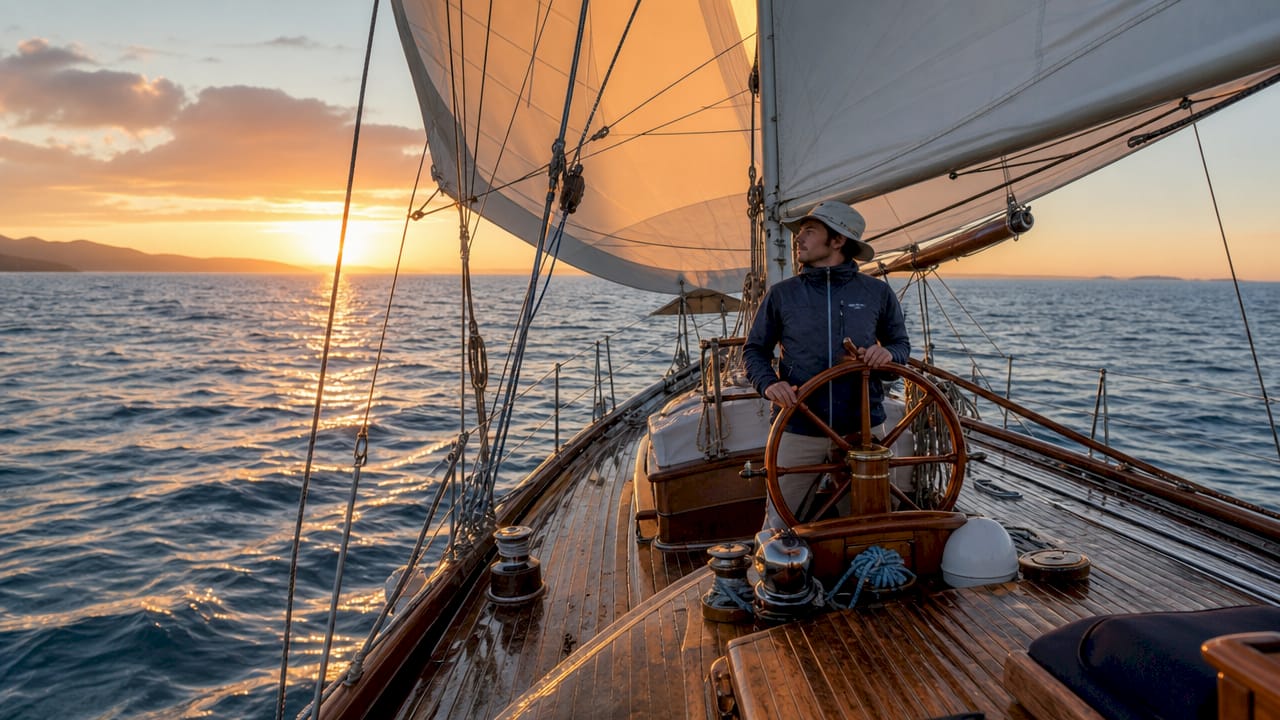
O călătorie cu barca în solitar, cunoscută în lumea navigației sub denumirea de „navigație în solitar”, înseamnă să gestionezi fiecare aspect legat de navigație, siguranță și manevrarea ambarcațiunii în întregime pe cont propriu. Niciun membru al echipajului care să preia cârma la ora 3 dimineața. Nimeni pe care să-l chemi în ajutor dacă o velă se rupe într-o rafală de vânt. Doar tu, barca și Marea Mediterană care se întinde în toate direcțiile. Sună intens și, sincer, chiar așa este. Dar ceea ce se întâmplă într-o călătorie cu barca în solitar este, de asemenea, una dintre cele mai satisfăcătoare experiențe pe care le poți trăi pe apă. Acest ghid acoperă echipamentul de siguranță, schimbările de mentalitate, tacticile de navigație și sfaturile practice pe care trebuie să le cunoști înainte de a pleca.
Ce se întâmplă într-o excursie cu barca cu pânze în solitar: echipament de siguranță și protocoale
Siguranța este primul aspect pe care orice navigator care navighează singur trebuie să-l ia în considerare. Cel mai important echipament este sistemul format din ham și cablu de siguranță. Punctele de fixare trebuie să reziste la o forță de peste 500 lbf pentru a simula forța impactului unui val. Această valoare este importantă deoarece o situație de om căzut peste bord, atunci când ești singur, este aproape întotdeauna fatală dacă nu ai o frânghie de siguranță adecvată care să te țină pe punte.
Pe lângă centura de siguranță, trusa ta de siguranță ar trebui să includă:
- EPIRB (baliză radio de localizare în caz de urgență): Transmite automat coordonatele tale serviciilor de salvare în cazul în care cazi peste bord sau nava se scufundă.
- Dispozitiv MOB (om căzut peste bord): Un emițător de localizare personală, purtat pe vesta de salvare, care declanșează o alarmă pe chartplotter.
- Pilot automat de încredere: Îți eliberează mâinile pentru reglarea velelor, navigație și odihnă, fără a devia de la curs.
- Transponder AIS: Transmite poziția ta navelor din apropiere și te avertizează atunci când nave mari se află pe o traiectorie de coliziune.
- Alarmă radar: Te trezește în timpul perioadelor scurte de odihnă dacă o ambarcațiune intră în zona ta de siguranță.
Verificările înainte de plecare nu sunt opționale. Testați fiecare punct de fixare, încărcați fiecare baterie și repetați cu voce tare procedurile de urgență înainte de a părăsi debarcaderul. Exersarea unei manevre de oprire pe loc sau a unui apel de urgență „Mayday” atunci când sunteți calmi sporește considerabil șansele de succes ale executării acestora în condiții de stres. Consultați Sailarmada’s sfaturi de siguranță pentru vacanțele cu barca cu pânze pentru o prezentare mai detaliată a aspectelor care trebuie luate în considerare înainte de orice traversare a Mării Mediterane.
Sfat profesional: Verificați punctele de fixare ale cablului de siguranță, aplicând asupra lor întreaga greutate a corpului înainte de plecare. Este mult mai bine ca o fixare să cedeze în doc decât să cedeze în larg.
Care sunt experiențele psihologice și fizice ale navigării în solitar?
Primele 24–48 de ore ale unei traversări în solitar sunt cele mai grele. Navigatorii solitari se confruntă cu un nivel ridicat de anxietate și oboseală în această perioadă, înainte de a intra într-o stare meditativă sau de “flux”, odată ce rutina își face simțită prezența. Corpul tău se adaptează la somnul întrerupt, mintea ta caută semne de pericol, iar lipsa conversației pare copleșitoare.
Schimbarea psihologică care urmează este cu adevărat surprinzătoare. Majoritatea navigatorilor solitari o descriu ca fiind una dintre cele mai clarificatoare experiențe din punct de vedere mental din viața lor. Iată cum se prezintă, de obicei, această evoluție:
- Ore 0–48: Stare de alertă sporită, îndoieli frecvente și oboseală fizică cauzată de vigilența constantă.
- Zilele 2–4: Rutinele încep să-și facă efectul. Orele de masă, programul de supraveghere și înregistrările din jurnal creează o structură care înlocuiește anxietatea cu un ritm.
- Ziua a 4-a și următoarele: Se instalează o legătură profundă, meditativă, cu marea. Percepția timpului se schimbă. Mulți marinari spun că se simt mai prezenți decât în orice alt moment al vieții lor.
- Momente de euforie: Răsăriturile, întâlnirile cu delfinii și satisfacția unei virări bine executate au, ele singure, o încărcătură emoțională disproporționată atunci când nu ai pe nimeni cu care să le împărtășești.
- Greșeală frecventă: A continua să înaintezi în condiții din ce în ce mai dificile, pentru că a te întoarce înseamnă să te simți ca un ratat. Aceasta este cea mai periculoasă capcană psihologică din navigarea în solitar.
Ținerea unui jurnal de bord detaliat și descrierea verbală a manevrelor A vorbi cu voce tare menține mintea ageră și combate ceața insidioasă a izolării. La început pare ciudat, dar faptul de a descrie cu voce tare acțiunile pe care le întreprinzi îți sporește concentrarea și reduce efortul cognitiv pe care îl presupune luarea deciziilor în singurătate.
Sfat profesional: Stabiliți o regulă strictă înainte de plecare: dacă condițiile se înrăutățesc peste limita zonei voastre de confort, vă întoarceți sau opriți nava. Luați această decizie din timp, astfel încât oboseala să nu vă afecteze judecata în acel moment.
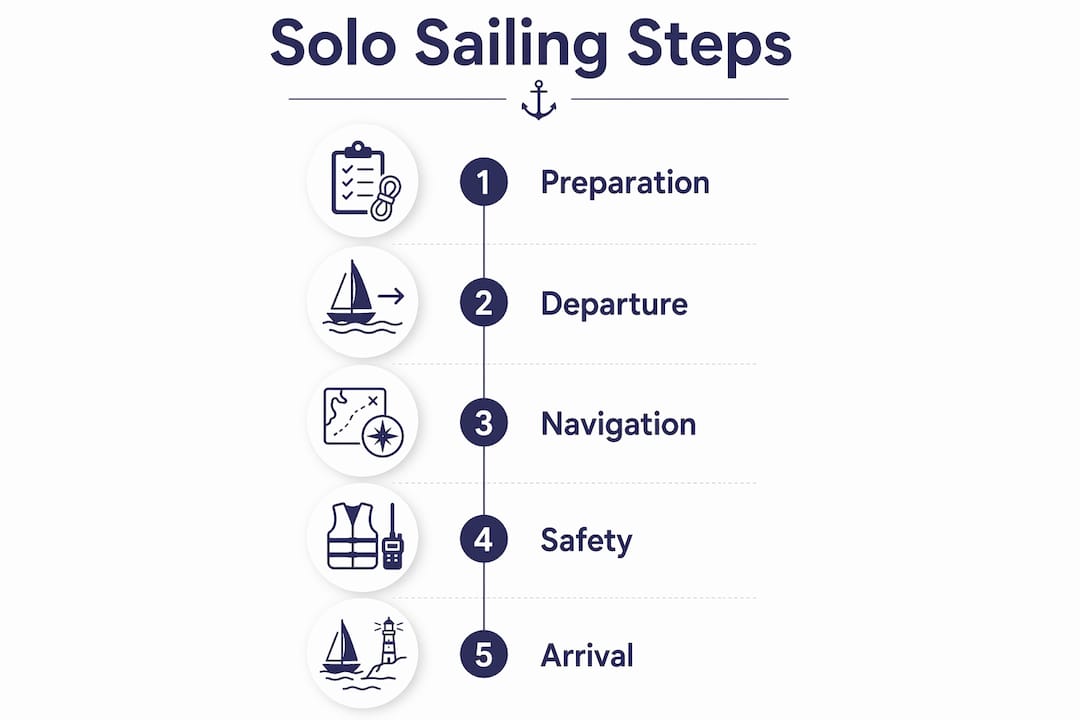
Cum se descurcă navigatorii solitari cu navigația, condițiile meteorologice și situațiile de urgență?
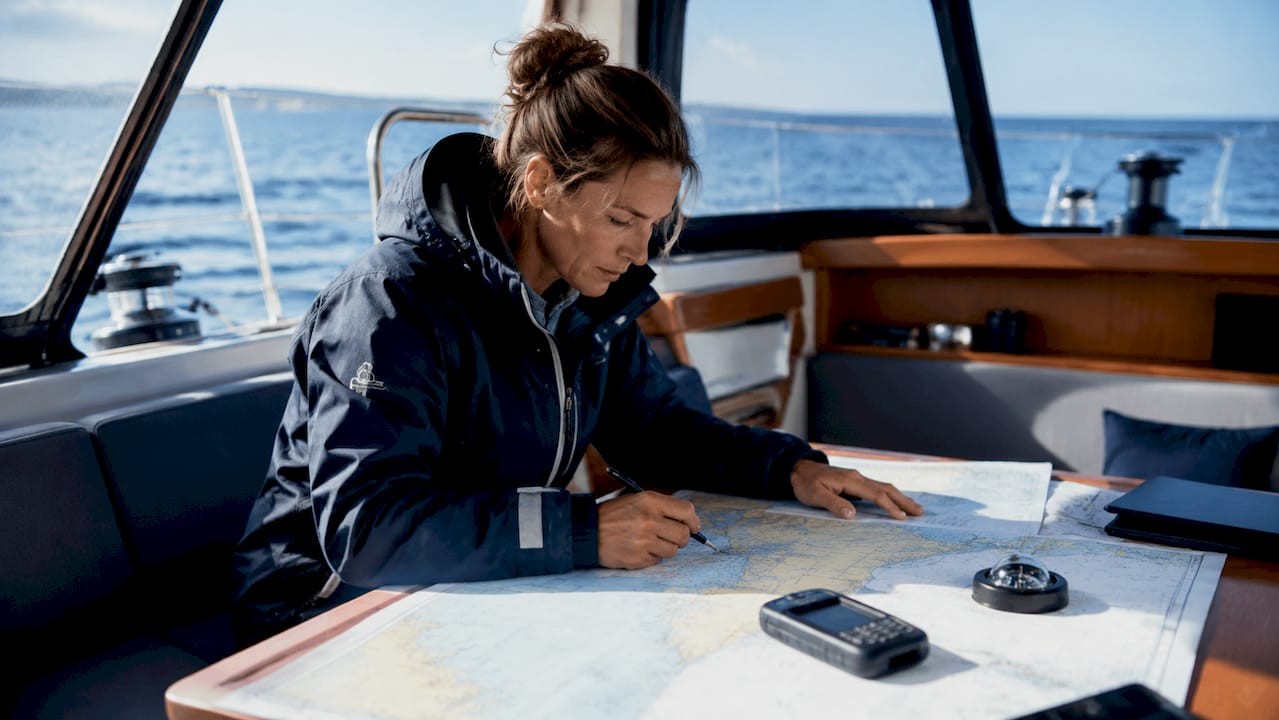
Navigarea în solitar poate fi înțeleasă cel mai bine ca fiind gestionarea riscurilor la nivel înalt alături de autonomia personală, folosind tehnologia ca „echipaj suplimentar”. Sistemele de pilot automat și mijloacele electronice de navigație nu sunt un lux pentru navigatorii care navighează în solitar. Ele fac diferența între o traversare ușor de gestionat și una periculoasă.
| Situația | Strategia marinarului solitar |
|---|---|
| Menținerea cursului pe timpul nopții | Pilotul automat preia controlul cârmei; alarma radarului te trezește dacă o navă intră în raza de acțiune |
| Reglarea velelor pe măsură ce vântul se intensifică | Reduceți suprafața velelor din timp, aplicând principiul „prima idee, prima acțiune”; nu așteptați niciodată până când vântul devine prea puternic |
| Apropierea de un port necunoscut | Identificați mai întâi un bazin protejat; pregătiți parâmele și parbrizele înainte de a intra |
| Defecțiune a sistemului de pilot automat | Comutați la sistemul de autopilot cu giruetă sau la cârma manuală la intervale scurte |
| Vremea se înrăutățește pe parcursul traversării | Opriți-vă și reevaluați situația; folosiți ancorajele de siguranță stabilite în prealabil |
Monitorizarea condițiilor meteorologice este o activitate zilnică, nu o simplă bifare a unei casete înainte de plecare. Descărcați prognozele de la servicii precum Windy sau PredictWind în fiecare dimineață și planificați traversările în funcție de intervalele de vreme stabilă. Vânturile termice de după-amiază din Marea Mediterană, în special în Marea Egee, între Grecia și Turcia, pot crește de la 10 noduri la 30 de noduri în mai puțin de două ore.
Amânarea reducerii velelor poate crea situații periculoase pentru navigatorii care navighează singuri. Stăpânirea tehnicii de reducere a velelor în 3–5 minute este o abilitate indispensabilă. Exersează-o în condiții de calm până când devine un reflex. Când intri singur în porturi, căutați zone protejate și evitați ca elicea să se încurce prin menținerea cablurilor departe de apă în timpul apropierii. O elice încurcată, atunci când ești singur într-un port aglomerat, reprezintă o situație de urgență gravă.
Care sunt avantajele navigării în solitar în Marea Mediterană?
Marea Mediterană este unul dintre cele mai bune locuri din lume pentru a practica navigarea în solitar. Combinația dintre vremea previzibilă de vară, țărmurile uimitoare și ancorajele bine distanțate o face o zonă cu adevărat favorabilă traversărilor în solitar. Navigatorii experimentați care navighează în solitar spun că anxietatea inițială dispare după 500 nm de traversări în solitar, fiind înlocuită de încredere și de o legătură profundă cu marea.
Printre avantajele specifice ale navigării în solitar în această regiune se numără:
- Libertate totală în alegerea itinerariului: Te ancorezi unde vrei, pleci când vrei și petreci trei zile într-un golf croat, dacă ai chef.
- Legătura meditativă cu natura: Ritmul mării, culoarea apei din largul Sardiniei și liniștea unei insule grecești în zori te impresionează altfel când ești pe deplin prezent și singur.
- Adevărata autonomie: Fiecare problemă pe care o rezolvi singur îți conferă un fel de încredere pe care nicio altă experiență nu ți-o poate oferi.
- Conștientizarea sporită a riscurilor: Navigarea în solitar te obligă să gândești mereu cu trei pași înainte. Această abilitate se aplică direct în toate celelalte aspecte ale vieții.
- Profunzimea culturală: Când ajungi singur într-un sat de pescari turcesc sau într-un oraș de coastă italian, se nasc conversații pe care călătoriile în grup le generează foarte rar.
Pentru o analiză mai aprofundată a ceea ce oferă navigarea în Marea Mediterană călătorilor singuri, Sailarmada’s Ghid pentru călătorii solitari în zona mediteraneană prezintă în detaliu rutele, locurile de ancorare și aspectele logistice practice.
Ce sfaturi practice te ajută să te pregătești pentru o călătorie cu barca cu pânze în solitar reușită?
Pregătirea este factorul cel mai important care face diferența între o traversare în solitar plină de satisfacții și una periculoasă. Începe cu pași mici și avansează treptat.
- Începe cu ieșiri de o zi pe mare, singur. Petrece câteva weekenduri navigând singur, fără a te îndepărta de coastă, înainte de a te angaja într-o traversare cu înnoptare. Obișnuiește-te cu fiecare manevră înainte de a adăuga factorii de întuneric și oboseală.
- Perfecționează-ți abilitățile critice înainte de plecare. Manevrele rapide de reducere a velelor, de oprire în vânt și de ancorare în solitar trebuie să devină o a doua natură. Exersează fiecare dintre ele până când le poți executa fără să te gândești.
- Stabilește-ți o rutină zilnică. Verificarea condițiilor meteorologice la ora 7 dimineața, înregistrarea în jurnalul de bord după fiecare tură de cart, o masă caldă la prânz. Rutina înlocuiește anxietatea cu un scop.
- Folosiți în mod activ dispozitivele de comunicare. Ia legătura cu o persoană de contact de pe uscat la fiecare 24 de ore. Depune un plan de navigație la portul tău sau la un prieten de încredere înainte de fiecare traversare.
- Planificați traversările în perioadele cu vreme calmă. Marea Mediterană oferă cele mai favorabile condiții în perioada iunie-august. Evitați traversările în timpul sezonului Meltemi în Marea Egee, cu excepția cazului în care aveți experiență cu vânturile puternice.
- Să ajungeți în porturi pe timp de zi. Intrarea singură într-un port necunoscut după lăsarea întunericului este de evitat și inutilă. Planificați-vă traseele astfel încât să ajungeți cu cel puțin două ore de lumină rămase.
- Combateți izolarea în mod activ. Cărțile audio, podcasturile și muzica te ajută să-ți menții mintea ocupată în timpul călătoriilor lungi. Păstrează liniștea pentru momentele în care ești ancorat, când o poți aprecia pe deplin.
Sfat profesional: Înainte de fiecare traversare, depuneți un plan de navigație detaliat la o persoană de contact de încredere. Includeți traseul, ora estimată de sosire și procedura de alertare a autorităților în cazul în care nu vă prezentați la punctul de control. Acest obicei a salvat vieți.
Planificarea defensivă, însoțită de un plan B clar, este mentalitatea care îi deosebește pe navigatorii solitari experimentați de cei care ajung în situații dificile. Cunoaște-ți ancorajele de siguranță înainte de a pleca. Știe când trebuie să te întorci. Ia aceste decizii când ești odihnit și calm, nu când ești obosit și vântul se intensifică.
Principalele concluzii
Navigarea în solitar pe Marea Mediterană răsplătește pregătirea, disciplina mentală și respectul față de mare cu un nivel de libertate și autonomie pe care nicio altă experiență de călătorie nu îl poate egala.
| Punct | Detalii |
|---|---|
| Echipamentul de protecție este obligatoriu | Centura de siguranță, cablurile de siguranță, EPIRB-ul, sistemul AIS și un pilot automat de încredere constituie echipamentul minim necesar pentru orice traversare în solitar. |
| Adaptarea psihică durează 48 de ore | Anxietatea și oboseala din primele două zile fac loc concentrării și stării de flux odată ce se stabilesc rutinele. |
| Acționează din timp, întotdeauna | Stăpânirea tehnicii de reducere a vitezei în 3–5 minute și aplicarea unei politici de reducere a vitezei încă din prima clipă previn cele mai frecvente situații de urgență în cazul scufundărilor în solitar. |
| Planul B înainte de plecare | Identificați din timp punctele de ancorare de siguranță și condițiile de oprire în larg, astfel încât oboseala să nu vă afecteze capacitatea de a lua decizii corecte. |
| Condițiile din Marea Mediterană sunt favorabile navigatorilor solitari | Vremea previzibilă de vară, locurile de ancorare bine distanțate și țărmurile uimitoare fac din această regiune o destinație ideală pentru navigarea în solitar. |
Ce m-a învățat de fapt navigarea în solitar pe Marea Mediterană
Prima dată când am privit luminile portului dispărând în urma mea, fără nimeni altcineva la bord, sentimentul nu a fost unul de libertate. A fost un fel foarte specific de panică tăcută. Fiecare scârțâit al tachelajului părea o problemă. Fiecare rafală de vânt se simțea ca un examen pentru care nu mă pregătisem. Sentimentul acela a durat aproximativ 36 de ore.
Ceea ce a venit în locul ei a fost ceva la care nu mă așteptam: claritatea. Când ești singura persoană responsabilă de o ambarcațiune, mintea ta încetează să mai facă mai multe lucruri simultan și începe să se concentreze. Observi schimbarea direcției vântului înaintea instrumentelor. Interpretezi starea mării așa cum interpretezi atmosfera dintr-o încăpere. Marea Mediterană, cu apele sale calde, ancorajele superbe și condițiile blânde de vară, este cu adevărat cea mai bună sală de clasă pentru acest tip de învățare.
Adevărul incomod despre navigarea în solitar este că pregătirea nu ține doar de siguranță. Este vorba despre a-ți acorda permisiunea de a te bucura de experiență. Când știi că echipamentul tău funcționează, că planul tău are un plan de rezervă și că abilitățile tale sunt la înălțime, anxietatea se risipește și este înlocuită de satisfacție. Marinarii care se confruntă cu dificultăți sunt aproape întotdeauna cei care au subestimat aspectul psihologic și și-au supraestimat capacitatea de a improviza.
Sfatul meu sincer: nu aștepta până când te simți pregătit. Ieși pe apă singur, fă mici greșeli în condiții sigure și continuă de acolo. Marea Mediterană te va întâmpina exact acolo unde te afli.
- Sail
Ofertele Sailarmada pentru navigatorii solitari din Marea Mediterană
Planificarea unei excursii cu barca în Marea Mediterană, pe cont propriu, este o experiență captivantă, iar alegerea companiei potrivite de închiriere îți oferă un plus de încredere pe apă.
Sailarmada oferă opțiuni private de navigație în Grecia, Croația, Italia, Sardinia și Turcia, cu itinerarii ideale pentru călătorii singuri care doresc flexibilitate fără a renunța la siguranță sau confort. Fie că doriți o închiriere fără echipaj, pe propriile condiții, fie un traseu ghidat cu sprijinul unui căpitan, echipa Sailarmada vă ajută să găsiți ambarcațiunea și traseul potrivite nivelului dvs. de experiență. Pentru o imagine mai cuprinzătoare asupra ofertei agențiilor de închiriere pentru navigatorii singuri în 2026, cele mai bune agenții de închiriere de iahturi Comparația reprezintă un punct de plecare solid.
FAQ
Care este cel mai mare risc pentru siguranță atunci când navighezi singur?
Situația în care un om cade peste bord reprezintă cel mai grav risc pentru navigatorii care navighează singuri. În lipsa unui echipaj care să te salveze, un ham de siguranță și un sistem de cablu de siguranță care te leagă de barcă constituie principala ta măsură de protecție.
Câtă experiență este necesară pentru a naviga în solitar în Marea Mediterană?
Înainte de a încerca traversări nocturne în solitar, trebuie să deții abilități solide de manevrare a ambarcațiunii, inclusiv reducerea velelor, ancorarea și oprirea în vânt. Începând cu ieșiri scurte de o zi de-a lungul coastei, efectuate în solitar, îți vei dezvolta abilitățile și încrederea necesare pentru călătorii mai lungi.
Cum dorm navigatorii solitari în timpul traversărilor nocturne?
Navigatorii care navighează singuri apelează la pui de somn scurte, de 20–30 de minute, combinate cu alarme radar și alerte AIS, pentru a se odihni fără a-și pierde conștientizarea situației. Pilotul automat menține cursul în timp ce dormi.
Este legală navigarea în solitar în Marea Mediterană?
Navigarea în solitar este legală în întreaga zonă a Mării Mediterane. Majoritatea țărilor impun prezența la bord a echipamentului standard de siguranță, inclusiv veste de salvare, rachete de semnalizare și un aparat radio VHF, indiferent de numărul membrilor echipajului.
Cum te descurci singur pe o barcă cu pânze când vremea e rea?
Cea mai sigură reacție în fața condițiilor meteorologice care se înrăutățesc este să strângeți velele din timp, să opriți nava dacă este necesar și să folosiți locurile de ancorare de siguranță stabilite în prealabil, în loc să încercați să înaintați cu orice preț. Stabilirea limitelor înainte de plecare elimină tentația de a-ți asuma riscuri atunci când ești obosit.