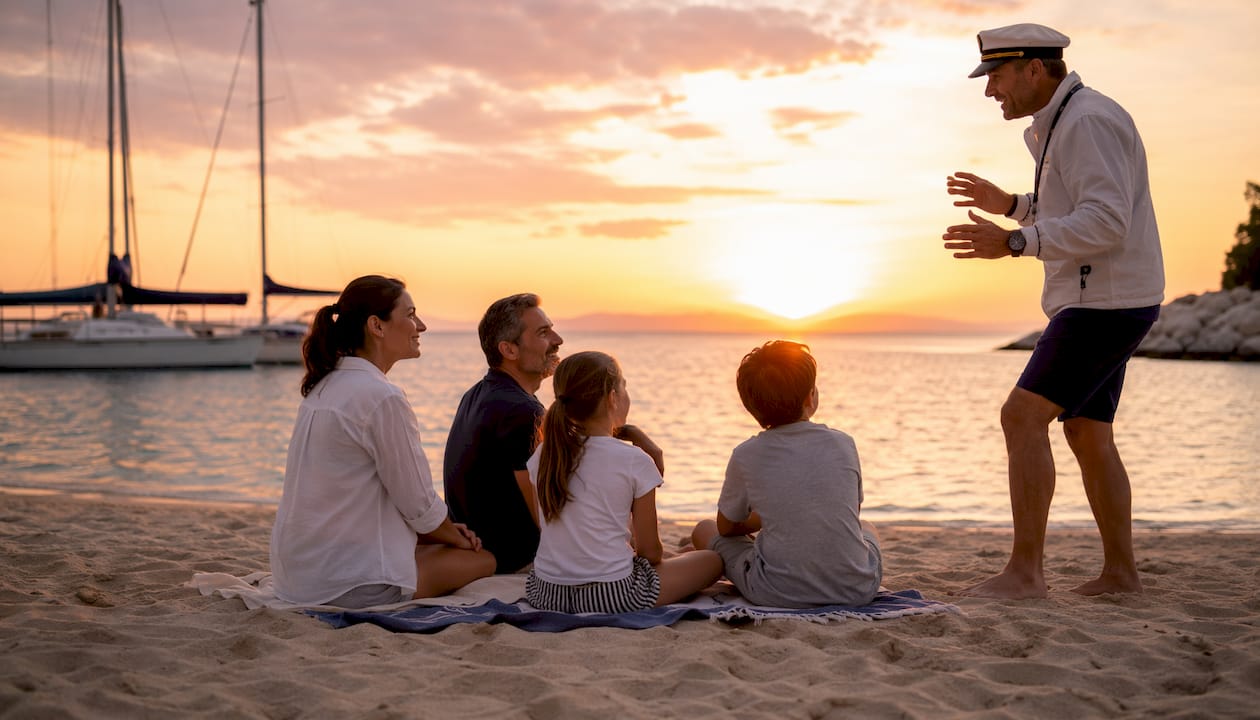
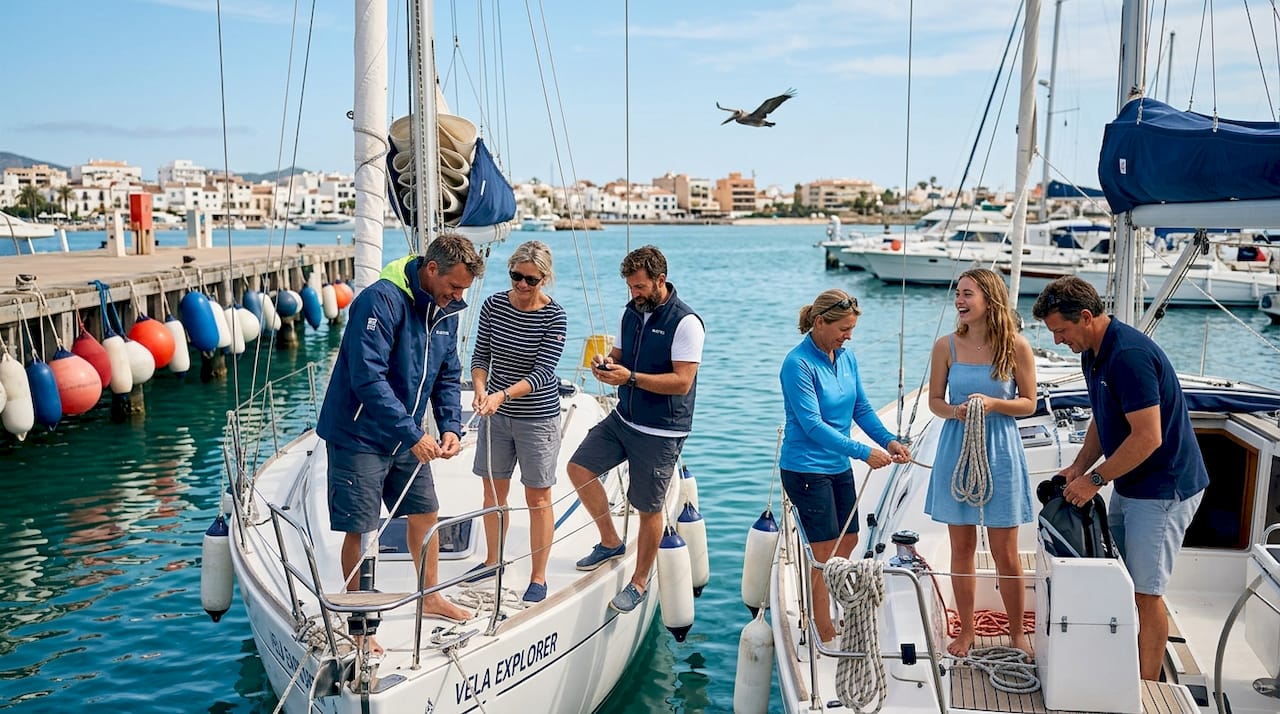
Most people picture sailing as a lone wolf sport. One sailor, one boat, open water, and silence. But spend any time around marinas, regattas, or a Saturday morning flotilla, and you’ll see something completely different. The sailing community, known more formally as sailing culture, is one of the richest, most connected social ecosystems in the world of outdoor recreation. It spans racing crews and casual cruisers, seasoned skippers and total beginners, and it runs on shared experiences, mutual trust, and a genuine love of the water.
Key Takeaways
| Point | Details |
|---|---|
| Sailing community defined | It’s a broad social network built around shared sailing activities, not just competitive racing. |
| Open to all skill levels | You don’t need a boat or experience to join — clubs, events, and nonprofits welcome absolute beginners. |
| Multiple entry points exist | Sailing clubs, regattas, online forums, and community sailing organizations all offer easy first steps. |
| Mutual aid is a core value | Cruising communities in particular rely on practical help and shared knowledge, not just socializing. |
| Long-term bonds are the reward | Mentorship, youth programs, and group sailing experiences make the community self-sustaining and deeply rewarding. |
What is the sailing community, really?
At its core, the sailing community is a network around shared sailing activities and the social connections that grow around them. It is not one thing. It covers racing enthusiasts who live for regatta weekends, cruising sailors doing multi-week passages, families taking their first sailing holiday, and volunteers keeping local clubs alive. These groups overlap constantly, and that overlap is exactly where the magic happens.
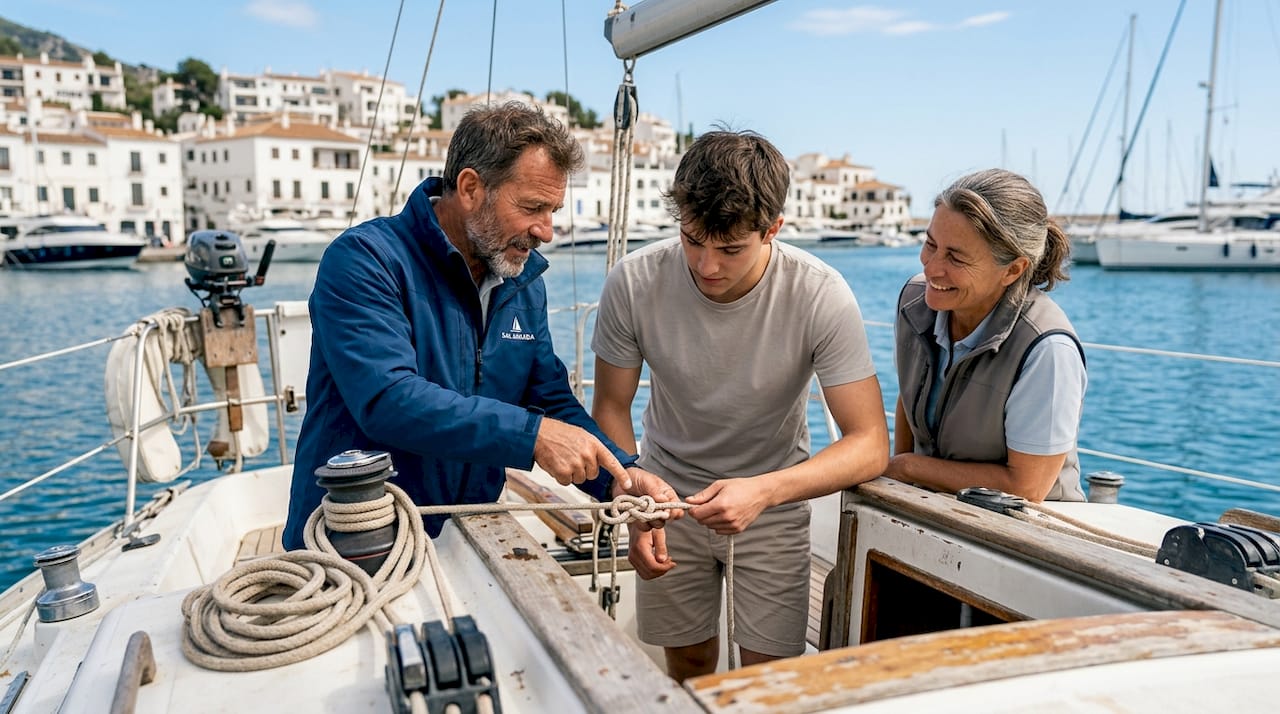
What holds it all together is shared experience. When you spend hours working a boat through shifting wind, something happens between the people on board. You build trust fast. You laugh, problem-solve, and sometimes panic together. Those bonds stick. Community norms vary by setting, but the underlying glue is almost always the same: a mutual respect for the water and everyone willing to get out on it.
Here is a quick picture of how the sailing world organizes itself socially:
- Racing communities thrive on teamwork, competition, and shared tactical knowledge. The social calendar runs around race series, trophy nights, and post-race debriefs over cold drinks.
- Cruising communities are looser in structure but incredibly tight when it counts. Sailors on long passages check in on each other, share weather data, and help in emergencies without hesitation or expectation of reward.
- Community sailing organizations (nonprofits and clubs) act as open doors for anyone curious. No boat required, no experience necessary.
- Online sailing groups on platforms like Facebook and Reddit connect sailors across time zones and skill levels, making the community genuinely global.
Pro Tip: If you are not sure which sailing subculture fits you best, start by visiting a local sailing club on a race day. Watch, ask questions, and let the atmosphere guide you. You will know within an hour whether it feels like your tribe.
How to join sailing communities
The good news is that the sailing world is far more welcoming than it looks from the outside. You do not need your own boat, an offshore certification, or a crew of friends to get started. There are structured, beginner-friendly entry points everywhere.
- Join a sailing club. What is a sailing club, practically speaking? It is part social hub, part training center, part racing league. Most clubs offer introductory memberships that include access to club boats, learn-to-sail programs, and social events. You get on the water and meet people at the same time.
- Volunteer at a regatta. Even if you cannot crew a racing boat yet, regattas need volunteers on the dock, on committee boats, and in the clubhouse. It is one of the best ways to learn the culture and get noticed by experienced sailors who are always looking for enthusiastic crew.
- Sign up for a sailing course. Structured adult sailing programs give you skills and a ready-made social group at the same time. Classmates become sailing buddies almost by default.
- Explore community sailing organizations. These nonprofits are designed specifically for newcomers. Programs are open regardless of age, ability, or budget, and they frequently connect beginners with mentors who genuinely enjoy helping new sailors develop.
- Get active online. Sailing forums, Facebook groups, and YouTube channels are full of sailors happy to answer questions. Many local clubs announce events through social media, so following a few accounts in your area is a smart first move.
- Book a group sailing holiday. This one surprises people, but a week on a catamaran with a skipper and a mixed group of sailors is one of the fastest ways to go from curious outsider to someone with real experience and real friendships. The advantages of group sailing for connection are hard to overstate.
Pro Tip: When reaching out to a sailing club for the first time, mention that you are a beginner and ask specifically about crew placement programs. Most established clubs match new sailors with experienced skippers who need crew, and it costs you nothing except showing up on time.
The benefits of being part of a sailing community
Spending time around sailors is genuinely good for you, and the sailing community benefits go well beyond just learning to tack correctly. Here is what members consistently report gaining:
- Skill development at every level. The informal mentorship inside sailing communities is remarkable. Experienced sailors share knowledge freely, from reading weather patterns to boat maintenance, in a way that no classroom can replicate.
- Emotional support and real camaraderie. Sailing puts you in situations that require vulnerability. When you get through a tough passage together or nail a race start after weeks of practice, you share something real. Those moments create friendships that last decades.
- Inclusion and access. Organizations focused on accessible community sailing are actively breaking down the barriers that once made sailing feel exclusive. Programs now serve people of all ages, backgrounds, and economic situations.
- Safety through community. Knowing there are experienced sailors around you, especially in open water, is genuinely reassuring. Strong community bonds form through practical help when things go sideways, and that safety net matters.
- A reason to keep sailing. This one sounds simple, but it is powerful. People who sail within a community sail more often, progress faster, and enjoy the sport longer than solo sailors with no social connection to the water.
Community types compared: racing, cruising, and nonprofits
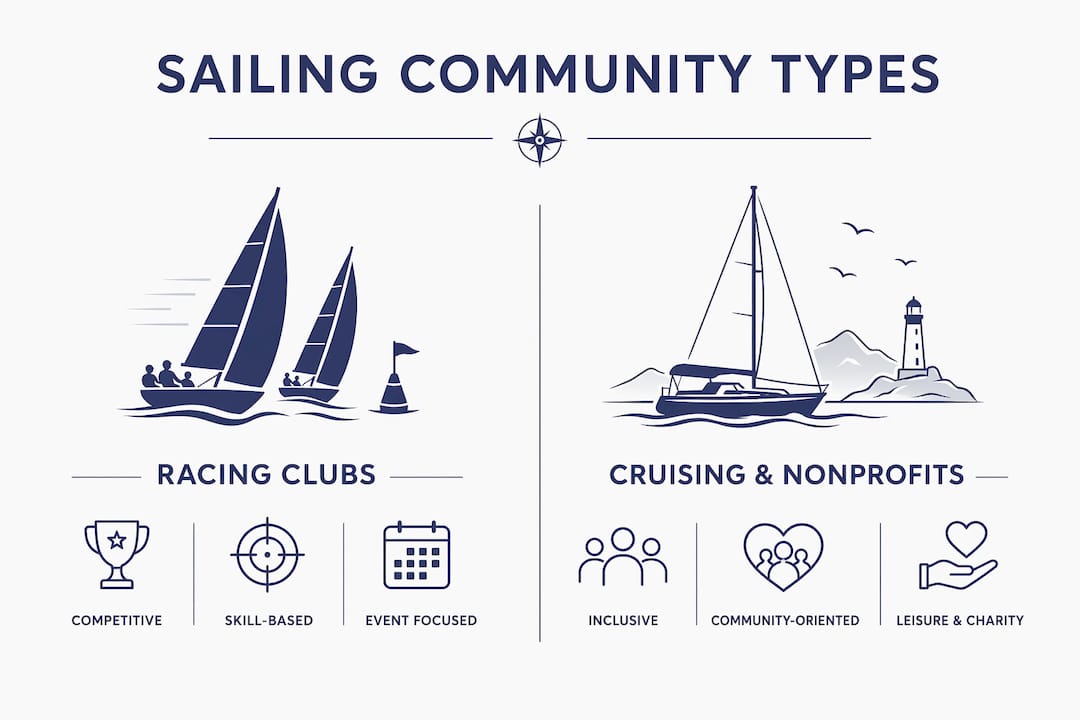
Not all sailing communities work the same way, and understanding the differences helps you find where you fit. The social expectations and contributions required of members shift significantly depending on the sailing context.
| Community type | Social focus | How you earn belonging | Best for |
|---|---|---|---|
| Racing clubs | Competition, tactics, teamwork | Showing up, crewing consistently, improving | Competitive personalities who love structure |
| Cruising circles | Long-passage support, mutual aid | Sharing knowledge, spares, and weather intel | Independent sailors who value freedom and trust |
| Community sailing nonprofits | Inclusion, access, education | Participation, volunteering, openness | Absolute beginners and families new to sailing |
| Online sailing groups | Information sharing, global connection | Contributing useful answers and experiences | Anyone building knowledge before their first sail |
The cruising world is particularly interesting here. In a cruising community, belonging is not about how polished your boat looks or how many miles you have logged. It is earned through useful contributions: offering a spare part, sharing a weather route, or being the one who responds when another boat calls for help. Self-promotion does not get you far. Operational generosity does.
Global initiatives like World Sailing Day are working to connect these different subcultures under a single celebration of the sport, which is a genuinely encouraging sign for the community’s future.
How sailing communities grow the next generation
The sailing community is not just focused on the people in it today. There is a real, active effort to grow the sport for the future, and the methods being used are worth knowing about.
- Youth sailing programs and Sea Scouts create long-term pathways into the maritime ecosystem, giving young people their first taste of the water in a structured, supportive environment.
- Mentorship and allyship initiatives are actively working to make leadership in sailing more representative. Events like Steering the Course 2026 specifically support women and girls in developing leadership skills and finding their place in the sailing world.
- Environmental stewardship has become part of sailing community identity. Many clubs and cruising groups organize coastal cleanups, promote responsible anchoring, and educate members about protecting marine ecosystems.
- Family sailing programs bring parents and children onto the water together, creating multi-generational connections to the sport. Check out what kid-focused sailing programs look like in practice; they are often more accessible and fun than people expect.
- Annual events and gatherings serve double duty: they celebrate sailing and they recruit new members simply by being visible, exciting, and open to spectators who might become participants.
The importance of sailing communities in reproducing themselves through mentorship and inclusion is something the sport’s leadership takes seriously, and the programs being built right now will shape who is on the water twenty years from now.
My honest take on what sailing communities actually give you
I’ve watched a lot of people come to sailing from the outside, curious but uncertain, and the ones who thrive almost always have one thing in common. They showed up before they felt ready.
Sailing communities reward presence more than pedigree. In my experience, the skipper who turns up every weekend to help rig boats, asks good questions, and makes the coffee earns more goodwill than the one who arrives with impressive credentials and expects recognition. The social fabric of these communities is stitched together by small, consistent acts of participation. Not grand gestures.
What catches people off guard is the depth of friendship that sailing creates. You are living closely together, managing real risk, making decisions under pressure. That context accelerates intimacy in a way that normal social settings simply do not. I’ve seen strangers become genuinely close friends after a single week on a catamaran crossing the Aegean. That is not an accident. It is what the environment produces when the conditions are right.
My honest advice: do not wait until you know enough to feel confident joining. The community itself is how you get confident. Go before you are ready. The water will sort the rest out.
— Sail
Experience the sailing community firsthand with Sailarmada
If reading this has made you want to feel that connection rather than just read about it, Sailarmada has exactly the kind of experience that makes it real.
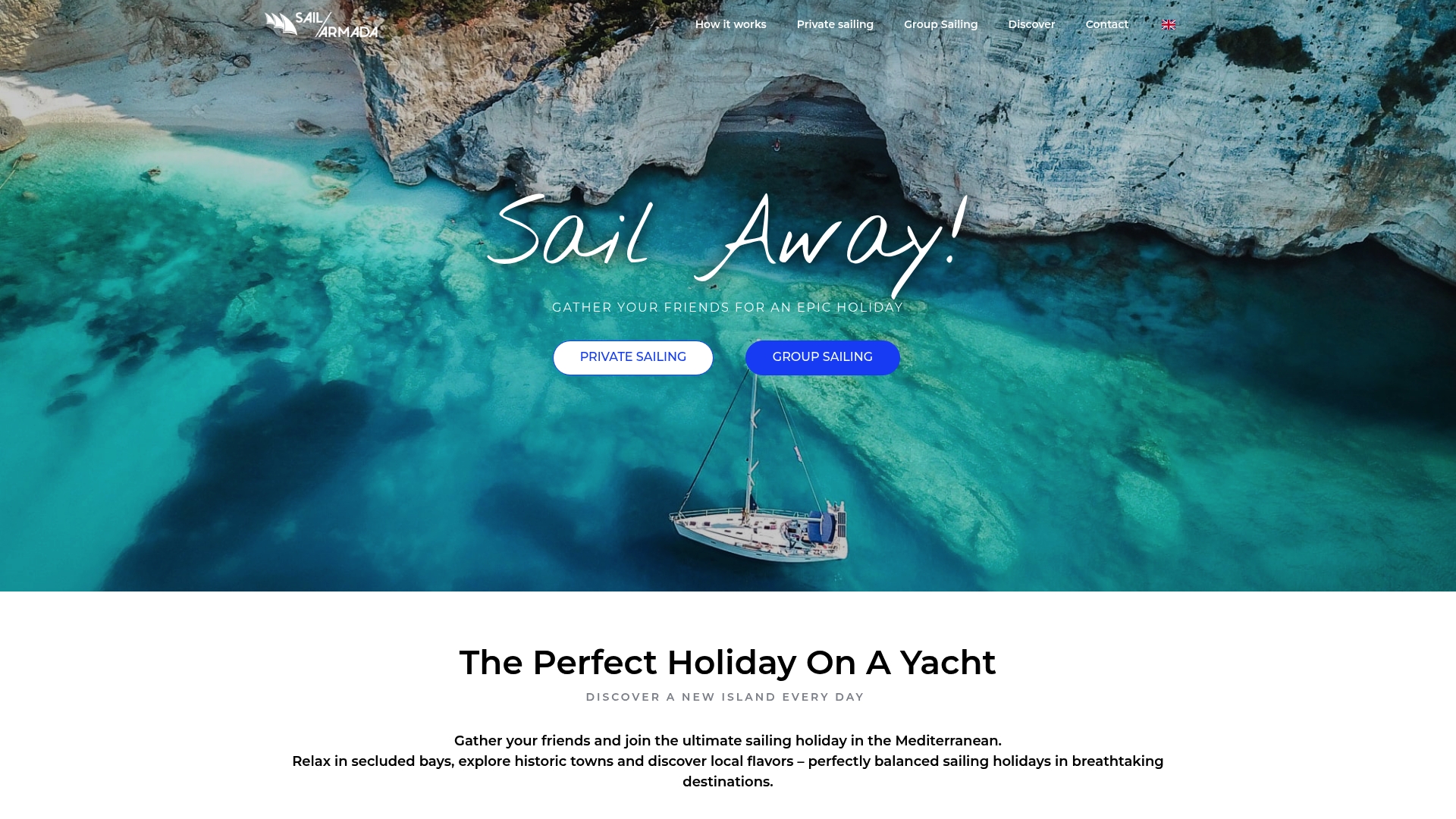
Whether you are gathering a group of friends, traveling as a family, or joining a flotilla of like-minded sailors, Sailarmada’s curated sailing holidays in Greece, Croatia, Italy, and beyond put you at the center of a genuine sailing community experience. The skippers are experienced, the routes are breathtaking, and the social dynamics on board are exactly what this article describes. You can start by exploring private yacht charters or take a look at how group yacht bookings work for your crew. Your next great sailing friendship might be one booking away.
FAQ
What is a sailing community in simple terms?
A sailing community is a social network built around shared sailing activities, including racing, cruising, training, and events. It spans beginners and experts, and it is defined by shared experiences, mutual support, and a love of the water.
Do I need my own boat to join a sailing community?
No. Community sailing organizations and local clubs regularly welcome people without boats through access memberships, crew placement programs, and learn-to-sail courses.
What is the difference between community sailing and a sailing club?
Community sailing typically refers to nonprofit organizations focused on accessibility and inclusion for all ages and backgrounds. A sailing club is usually a membership-based organization that offers racing, social events, and training, often with a more structured social hierarchy.
How do I find sailing enthusiasts gatherings near me?
Check local marina notice boards, search for sailing clubs in your area on the national sailing federation website, and look for active sailing groups on Facebook or Meetup. Regattas and open-water events are also fantastic places to meet sailors in your region.
What are the biggest benefits of joining a sailing community?
The main sailing community benefits include skill development through informal mentorship, genuine camaraderie built through shared challenge, improved safety through community knowledge, and access to events and opportunities that solo sailors simply miss.