Mediterranean sailing cuisine highlights are defined by vibrant, fresh ingredients, traditional recipes, and the unique experience of eating extraordinary food while anchored in crystal-clear waters. From Greek meze platters shared on a catamaran deck to a MediterAsian seafood hot pot at sunset off Rhodes, the culinary soul of this region is inseparable from the sea itself. Whether you’re a dedicated food lover or an adventurous traveler, the combination of sailing culinary experiences and local maritime culture creates something no land-based restaurant can replicate. This guide covers the iconic dishes, smart provisioning strategies, and gourmet routes that make Mediterranean yacht dining genuinely unforgettable.
1. What are the iconic Mediterranean sailing cuisine highlights?
The Mediterranean table is built on three foundations: olive oil, fresh seafood, and seasonal produce. Every dish, from a simple Greek salad to a slow-braised Sicilian caponata, reflects the land and sea it comes from. That clarity of flavor is exactly what makes Mediterranean food culture so compelling aboard a yacht.
Signature dishes you’ll encounter across sailing routes include:
- Greek souvlaki and moussaka served with warm pita and tzatziki, often prepared fresh at port-side tavernas before being brought aboard
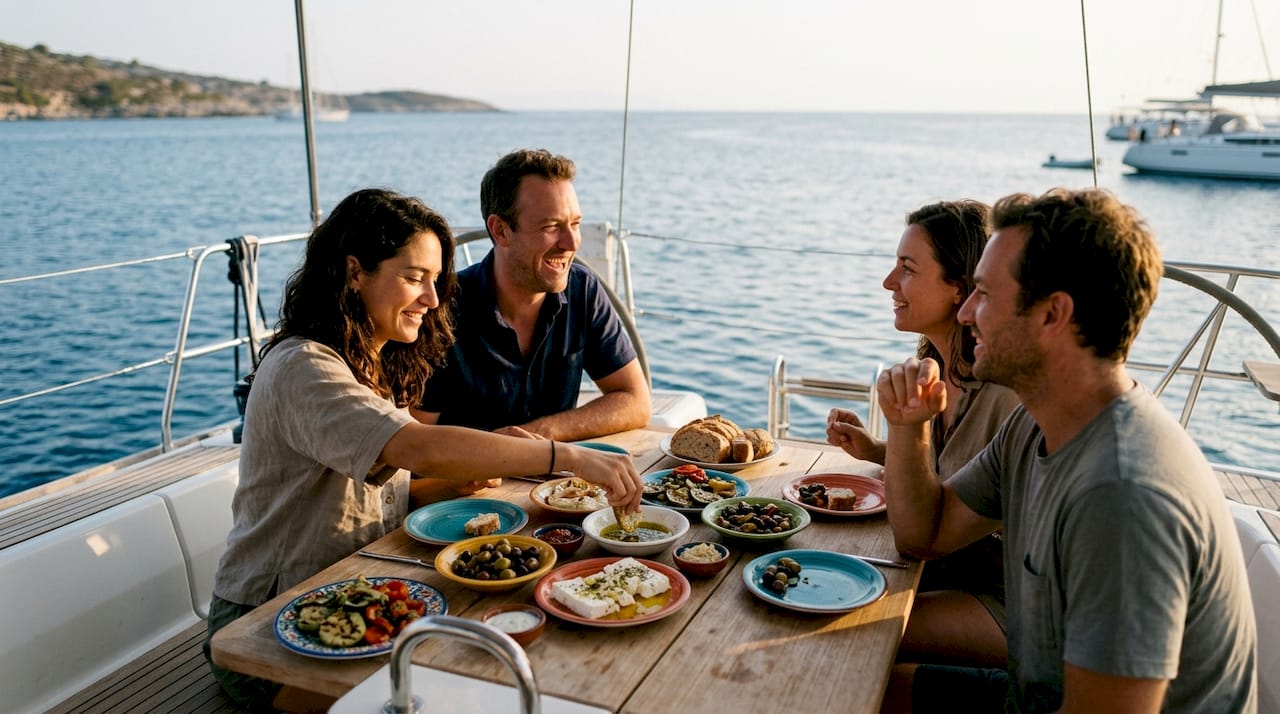
- Meze platters featuring dolmades, saganaki, hummus, and grilled octopus, perfect for sharing on deck at anchor
- Paella from Spanish and Balearic routes, cooked in a wide pan over an open flame with saffron, prawns, and mussels
- Fresh grilled whole fish, typically sea bass, dentex, or grouper, dressed simply with lemon and good olive oil
- Cretan dakos, a barley rusk topped with crushed tomatoes, feta, and capers, which travels brilliantly on a boat
- Turkish mezes like haydari, sigara böreği, and fresh calamari, common on Aegean and Turquoise Coast routes
Meze culture deserves special attention. The sharing format fits yacht dining perfectly. Plates arrive continuously, guests graze at their own pace, and the meal stretches naturally into the golden hour. It is social, relaxed, and deeply Mediterranean.
Pro Tip: Order or prepare your meze ingredients at the morning market in port. Feta, olives, fresh tomatoes, and flatbread need zero cooking and taste spectacular on deck.
2. How culinary practices adapt to sailing conditions
Yacht chefs operate on dynamic provisioning models, relying on local market schedules and daily catch availability rather than fixed weekly menus. That flexibility is not a limitation. It is the secret to why food on a well-run yacht tastes so alive.
Here is how smart galley cooking works in practice:
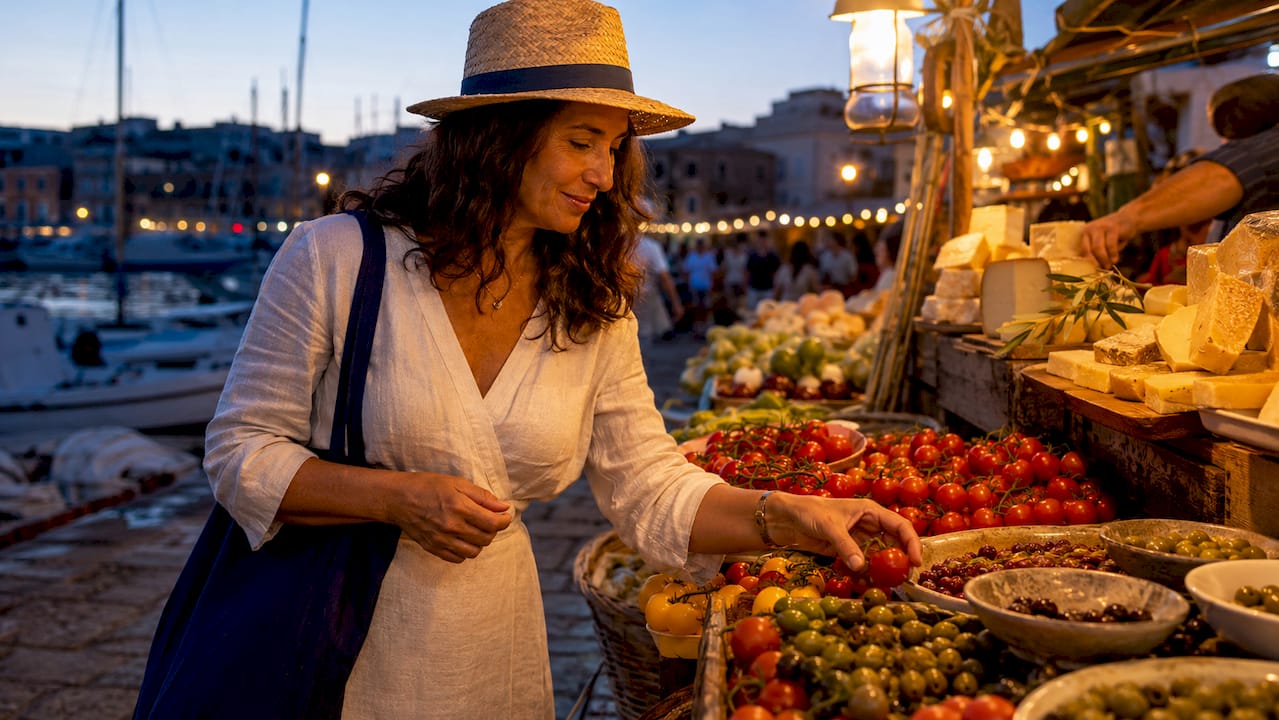
- Morning market runs. The skipper or chef visits the local market at each port stop, buying whatever is freshest that day. This means menus shift with the route, not the other way around.
- Prep-forward design. Yacht menus prioritize dishes that can be prepped in advance and finished quickly. Marinated proteins, pre-chopped vegetables, and cold salads reduce last-minute galley stress.
- Cold-storage management. Proteins go in first, produce is layered by use date, and anything fragile like fresh herbs gets used within 24 hours of boarding.
- Simplified but refined dishes. Limited galley space pushes chefs toward fewer ingredients and better technique. A perfectly grilled fish with herb oil beats a complicated sauce every time.
- Regional adaptation. Seasonal seafood availability varies sharply by location. Dentex and grouper peak in Bodrum from april through october, while sea bass and mastic-flavored dishes peak in Çeşme from july through september.
The standard meal structure aboard a Mediterranean yacht follows a natural rhythm: a lighter breakfast, a sharing-friendly lunch at anchor, sunset snacks on deck, and a concise but celebratory dinner. That rhythm matches the energy of a sailing day perfectly.
Pro Tip: If you’re provisioning yourself for a week, buy proteins daily and stock shelf-stable staples like canned chickpeas, good pasta, and quality tinned fish for easy backup meals.
3. What are the best sailing culinary experiences and routes for food lovers?
The Mediterranean offers curated sailing itineraries where food is as central as the scenery. These are not just trips with meals included. They are genuine culinary adventures shaped by the ports you visit.
Top experiences worth knowing about:
- Cretan cooking cruises. Cretan culinary sailing combines award-winning chef-prepared Mediterranean meals with unlimited local beverages on a half-day catamaran trip. The warm welcome, the Cretan raki, and the freshness of the food make this one of the most memorable half-days you can spend on the water.
- Rhodes MediterAsian seafood hot pot dinner. Private sunset sailing in Rhodes features a multi-stage seafood hot pot with premium shellfish and fish cooked onboard, paired with wine and cocktails. The fusion of Mediterranean and Asian technique is unexpected and genuinely exciting.
- Athens Greek gastronomy journeys. Day cruises departing from Athens combine Saronic Gulf sailing with onboard Greek food culture, including fresh grilled seafood, regional cheeses, and local wines.
- Turkish Aegean routes. Sailing from Bodrum or Göcek puts you within reach of some of the freshest fish markets in the region. Skippers who know the local fishing villages can source catch that never sees a supermarket.
Private culinary sailing experiences typically last 4–8 hours and include multi-course gourmet menus with local delicacies and unlimited beverages. That format gives you enough time to truly settle into the experience without rushing.
| Route | Culinary Highlight | Best Season |
|---|---|---|
| Crete | Award-winning chef menus, Cretan raki, dakos | May–October |
| Rhodes | MediterAsian seafood hot pot, sunset cocktails | June–September |
| Bodrum / Göcek | Fresh dentex and grouper, Turkish mezes | April–October |
| Çeşme | Sea bass, mastic-flavored dishes, local wines | July–September |
| Greek Islands (Saronic) | Grilled octopus, feta, local honey, Assyrtiko wine | April–November |
Pairing food with local wine is non-negotiable on these routes. Greek Assyrtiko from Santorini, Italian Vermentino from Sardinia, and Turkish Narince white all cut through rich seafood beautifully. Ask your skipper which local producers are worth seeking out at each port.
4. Which olive oils and cooking techniques define Mediterranean yacht cuisine?
Olive oil is the flavor architecture of Mediterranean cooking. Choosing the right type for the right cooking phase matters more than any spice blend. This is the insight that separates good Mediterranean food from great Mediterranean food.
Regional olive oils each have a distinct role:
- Andalusian oils (Spain) are mild and high in oleic acid, making them ideal for early-stage cooking like sautéing onions or building a sofrito base.
- Tuscan oils are peppery and grassy, best used as a finishing oil drizzled over grilled fish, bruschetta, or a warm bean stew just before serving.
- Greek oils are fruity and robust, suited to mid-cook stews and braises where the oil needs to hold up to longer heat exposure.
The practical rule aboard a yacht is simple. Use a mid-priced extra virgin olive oil as your everyday cooking fat and reserve one premium single-estate bottle strictly for finishing. That one finishing drizzle over a grilled sea bream or a plate of white beans transforms the dish entirely.
Traditional techniques that work brilliantly in a galley include:
- Plancha-style grilling on a flat cast-iron surface, which gives seafood a beautiful crust without needing an outdoor grill
- Slow braising in olive oil and white wine, which works perfectly on a single burner and improves with time
- Crudo and ceviche-style preparations, which require no heat at all and showcase the quality of ultra-fresh fish
“The best Mediterranean meals I’ve eaten on a boat were the simplest ones. A whole fish grilled with nothing but olive oil, sea salt, and a lemon. The sea air does the rest.”
Key takeaways
Mediterranean sailing cuisine highlights prove that the best food experiences come from fresh, local ingredients cooked simply and eaten in extraordinary places.
| Point | Details |
|---|---|
| Fresh ingredients define the experience | Daily market runs and local catch shape every meal aboard a Mediterranean yacht. |
| Meze culture fits yacht dining perfectly | Sharing plates, flexible pacing, and no-cook options make meze the ideal onboard format. |
| Olive oil type determines dish quality | Match the oil to the cooking phase: Andalusian for early heat, Greek for braises, Tuscan for finishing. |
| Culinary routes vary by region and season | Bodrum peaks april–october for grouper; Çeşme peaks july–september for sea bass and mastic dishes. |
| Private culinary cruises last 4–8 hours | Multi-course gourmet experiences with local beverages are available from Crete to Rhodes and beyond. |
What sailing taught me about eating well
When people ask me what makes Mediterranean food taste different on a boat, I always say the same thing: context is a flavor. You can eat the exact same grilled octopus in a city restaurant and on a catamaran deck in a secluded Ionian cove, and they are completely different experiences. The sea air, the sound of water, the fact that you swam an hour ago. All of it changes how food lands.
What I’ve found after years of sailing these routes is that the travelers who enjoy the food most are the ones who let go of fixed expectations. They don’t arrive with a restaurant bucket list. They ask the skipper what’s good at the next port. They buy something unfamiliar at the morning market. They eat the fish the fisherman just pulled up, not the one on the laminated menu.
The culinary experiences available on a Mediterranean sailing trip are genuinely unlike anything you get on land. The combination of freshness, location, and the natural rhythm of a sailing day creates meals that stay with you. Not because they were technically perfect, but because they were completely real.
My honest advice: bring one good bottle of local olive oil home from every port. It will remind you of the trip every time you cook.
— Sail
Gourmet sailing holidays with Sailarmada
If reading this has made you hungry for the real thing, Sailarmada makes it easy to put yourself in the middle of it. Sailarmada offers private yacht charters across Greece, Croatia, Italy, Turkey, and beyond, with itineraries built around the best each destination has to offer, including its food.
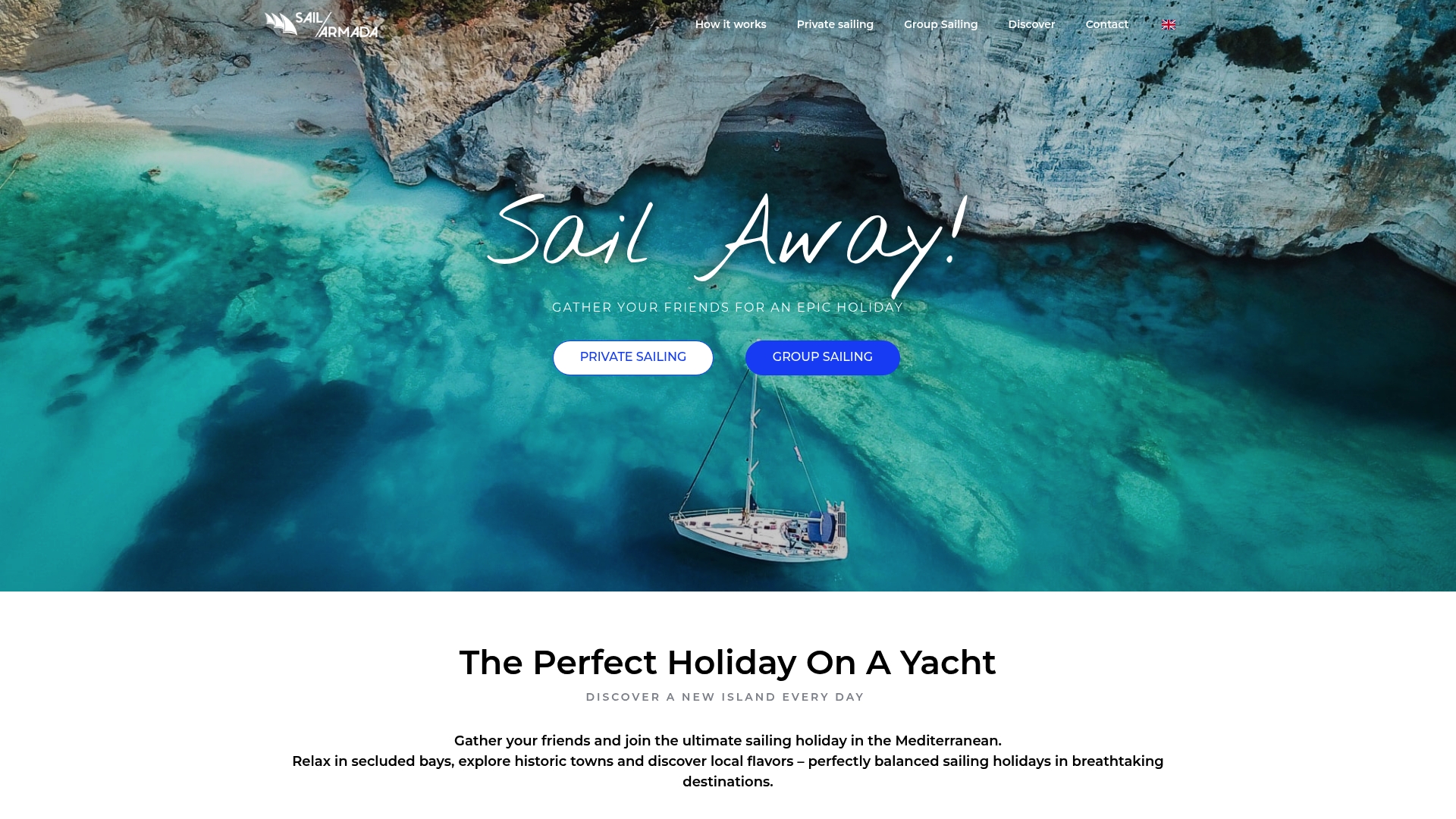
Your skipper knows which fish market opens at dawn in Bodrum, which taverna in the Ionian serves the best grilled octopus, and which anchorage gives you the perfect sunset for a meze spread on deck. Whether you want a fully catered private charter or prefer to provision your own sailing week with local ingredients, Sailarmada builds the trip around you. The food is part of the adventure.
FAQ
What food is typically served on Mediterranean sailing trips?
Mediterranean sailing trips typically feature fresh grilled seafood, meze platters, regional cheeses, and local wines, with menus shaped by daily market availability and the specific sailing route.
How do yacht chefs plan menus on a sailing holiday?
Yacht chefs use dynamic provisioning, buying from local markets and daily catch at each port rather than following a fixed weekly menu. This keeps food fresh and regionally authentic throughout the trip.
What are the best Mediterranean sailing routes for food lovers?
Crete, Rhodes, the Turkish Aegean coast, and the Greek Saronic Gulf all offer outstanding culinary experiences, with each region peaking at different times of year for specific seafood and local specialties.
Is olive oil really that important in Mediterranean cooking?
Olive oil is the foundational fat of Mediterranean cuisine. Using the right regional variety at the right cooking stage, Andalusian for sautéing, Greek for braises, Tuscan for finishing, determines the final flavor of almost every dish.
Can you combine a culinary experience with a private sailing charter?
Yes. Private culinary sailing experiences typically last 4–8 hours and include multi-course gourmet menus with local delicacies and unlimited beverages, making them a natural fit for a private charter itinerary.