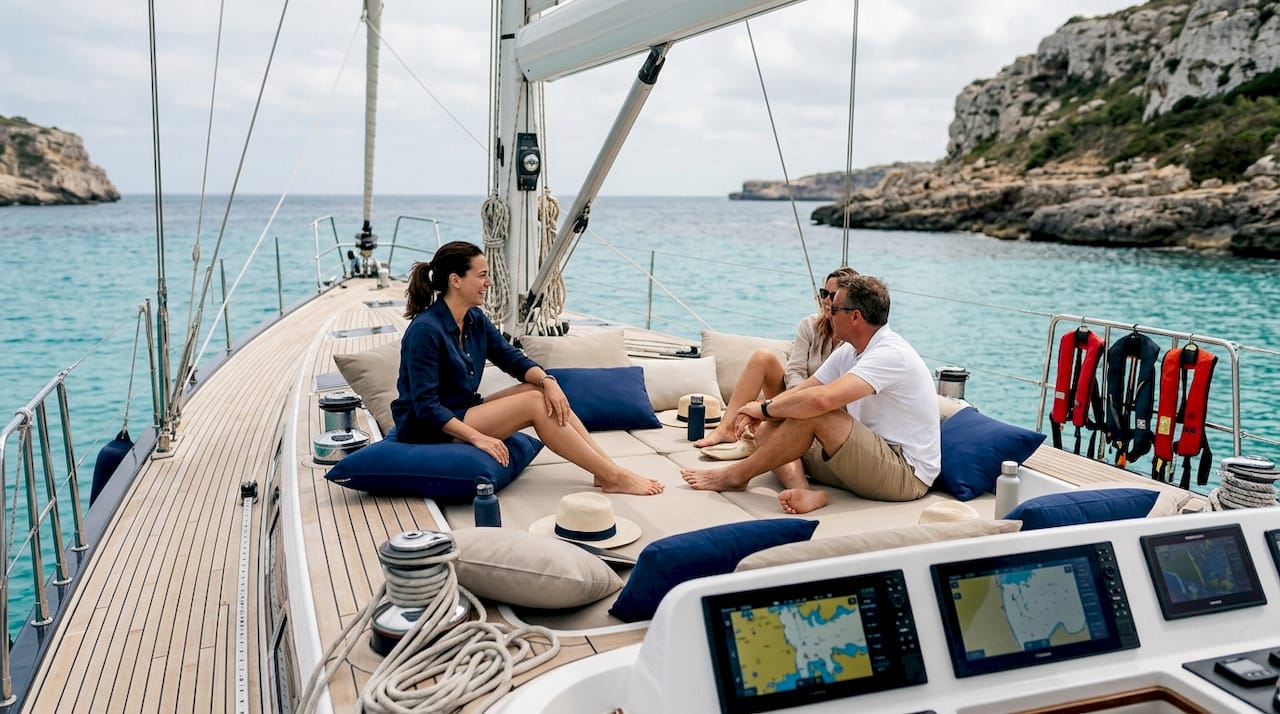
Capacitatea unui iaht reprezintă numărul maxim de pasageri și greutatea totală pe care o ambarcațiune le poate transporta în siguranță și în conformitate cu legea, într-un singur moment. Nu este doar un număr inscripționat pe o plăcuță fixată în interiorul corpului navei. Este un standard de siguranță, o limită legală și cel mai important factor atunci când planificați o excursie cu iahtul pentru familie sau pentru un grup de prieteni. Dacă îl respectați, toată lumea se va bucura de o experiență minunată și relaxantă pe apă. Dacă îl ignorați, riscați instabilitatea ambarcațiunii, amenzi și o excursie de care nimeni nu-și va aminti cu plăcere. A înțelege capacitatea maximă a iahtului înainte de a face rezervarea este cea mai înțeleaptă decizie pe care o puteți lua.
Ce este capacitatea unui iaht și cum se calculează aceasta?
Capacitatea unui iaht este definită ca limita totală a greutății pasagerilor, echipamentului, combustibilului și motorului pe care o ambarcațiune o poate transporta fără a compromite stabilitatea sau siguranța. Fiecare ambarcațiune construită conform standardelor moderne are o placă de capacitate care afișează trei valori esențiale: numărul maxim de pasageri, greutatea maximă combinată a pasagerilor și a bagajelor, precum și limita de putere a motorului. Aceste trei valori sunt interdependente. Poți să te încadrezi sub limita de pasageri, dar totuși să depășești limita de greutate dacă toată lumea are bagaje grele și rezervorul de combustibil este plin.
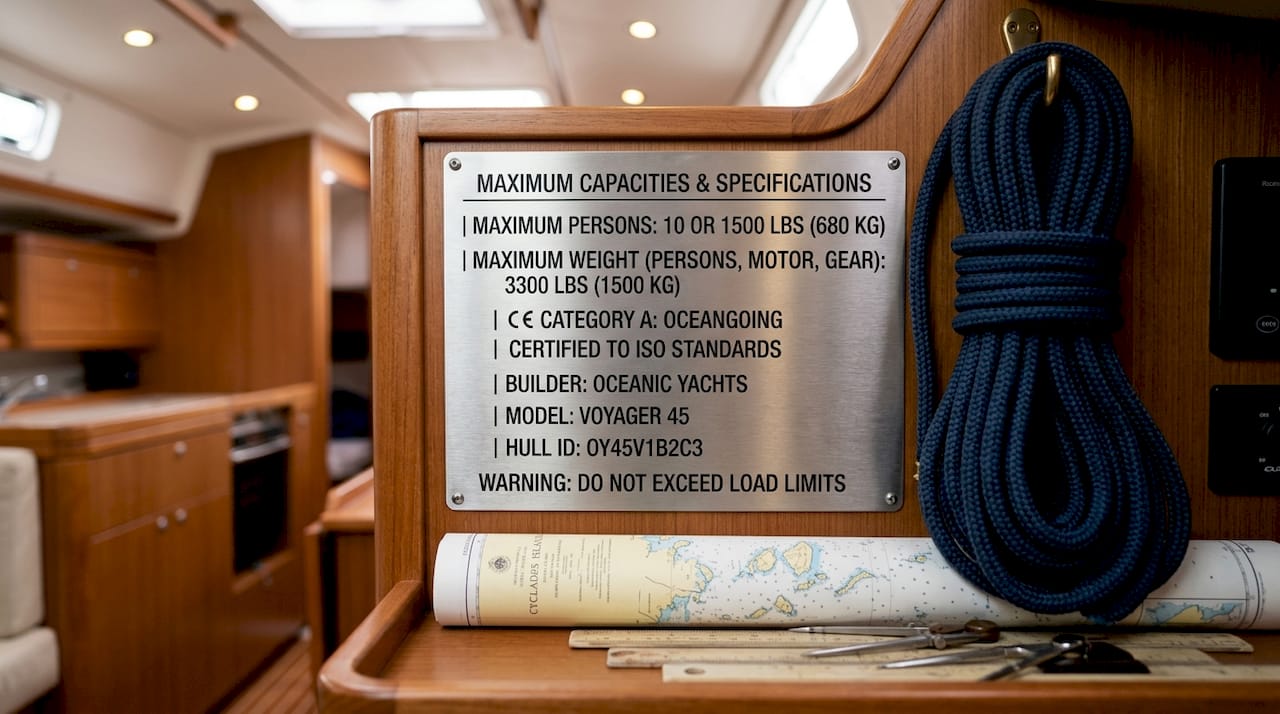
În cazul ambarcațiunilor de agrement mai mici, în SUA se utilizează o formulă simplă atunci când nu există o plăcuță de capacitate: numărul maxim de persoane = (lungimea ambarcațiunii × lățimea ambarcațiunii) ÷ 15, luând în calcul o greutate medie de 150 lbs pentru fiecare pasager. Această formulă vă oferă un punct de referință rapid, dar reprezintă doar o verificare minimă de siguranță, nu un ghid privind confortul. O barcă cu pânze de 30 de picioare ar putea, teoretic, să găzduiască 10 persoane conform acestui calcul, dar nu ți-ai dori să petreci o săptămână în insulele grecești înghesuit la bord cu 10 persoane.
Iată un ghid succint privind informațiile cuprinse pe plăcuța de capacitate:
| Element de placă de capacitate | Ce înseamnă asta pentru călătoria dumneavoastră |
|---|---|
| Numărul maxim de persoane | Limita maximă legală strictă privind numărul de persoane care pot fi la bord |
| Greutatea maximă (persoane + echipament) | Include bagajele, mâncarea, combustibilul și echipamentul, nu doar persoanele |
| Puterea maximă în cai-putere | Limitează puterea motorului pentru a se adapta la proiectarea structurală a corpului navei |
Sfat profesional: Atunci când evaluați un iaht pentru o călătorie în grup, solicitați întotdeauna companiei de închiriere detaliile privind plăcuța de capacitate, nu doar numărul “X locuri de dormit” menționat în anunț. Capacitatea de cazare și capacitatea legală de pasageri sunt două lucruri foarte diferite.
Reglementările variază, de asemenea, în funcție de țară și de tipul navei. Un iaht privat cu vele din Croația funcționează după reguli diferite față de un catamaran închiriat în scop comercial în Grecia sau de o barcă închiriată fără echipaj în Insulele Virgine Britanice. A ști care este cadrul legislativ aplicabil călătoriei dumneavoastră face parte din planificarea corespunzătoare a acesteia.
În ce măsură limitele legale privind numărul de pasageri și certificările afectează capacitatea iahtului?
Limitele privind numărul de pasageri nu sunt doar preferințe operaționale. Ele reprezintă factori structurali care determină regimul de reglementare pe care un iaht trebuie să îl respecte. Aceste Codul pentru iahturi al Grupului Red Ensign, Partea A Se aplică iahturilor exploatate în scop comercial, cu o lungime de 24 de metri sau mai mare, care transportă cel mult 12 pasageri. În momentul în care un iaht transportă mai mult de 12 pasageri în scop comercial, acesta intră sub incidența unui set complet diferit și mult mai exigent de standarde de siguranță, certificare și operare. Acest prag de 12 pasageri nu este arbitrar. Este linia care separă o experiență de charter de tip privat de o operațiune cu navă de pasageri în toată regula.
În Statele Unite, Paza de Coastă a SUA asigură respectarea plăcuțelor de capacitate pe ambarcațiunile de agrement și stabilește limitele de pasageri pentru operațiunile de închiriere. Unele firme de închiriere de ambarcațiuni din Miami și de pe piețe similare a limita numărul pasagerilor la 13 deoarece navele care transportă mai mult de 13 pasageri sunt clasificate ca nave de transport de pasageri contra cost și trebuie să îndeplinească cerințele de inspecție de siguranță pentru transportul comercial. Acel singur pasager în plus schimbă complet situația în ceea ce privește conformitatea.
“Limitele privind numărul de pasageri prevăzute în codurile oficiale pentru iahturi constituie factori determinanți pentru aplicarea unor regimuri de reglementare specifice, nu doar simple preferințe operaționale opționale.” — Codul pentru iahturi al Grupului Red Ensign, Partea A
Câteva diferențe importante pe care ar fi bine să le cunoașteți înainte de a face rezervarea:
- Utilizare privată vs. utilizare comercială: Un iaht privat, pe care navighează împreună cu prietenii, se supune unor reguli diferite față de același iaht închiriat în scop comercial unor oaspeți plătitori.
- Praguri privind dimensiunile navelor: Limita de 24 de metri prevăzută de codul Red Ensign Group și limita de 13 pasageri prevăzută de regulamentele Gărzii de Coastă a SUA sunt două exemple care ilustrează modul în care dimensiunea și numărul de pasageri determină cerințe de conformitate diferite.
- Cerințe de certificare: Iahturile exploatate în scop comercial trebuie să dețină certificate de siguranță valabile, reînnoite periodic. Solicitați întotdeauna să le vedeți înainte de îmbarcare.
- Iahturi mari cu limite stricte: Un superiaht de 40 de metri ar putea găzdui fizic 30 de persoane pe punte, dar certificarea sa comercială ar putea limita legal numărul pasagerilor la 12. Spațiul fizic și capacitatea legală nu sunt același lucru.
Înțelegerea acestor diferențe vă protejează în calitate de călător și vă ajută să puneți întrebările potrivite atunci când comparați opțiunile de închiriere de ambarcațiuni în destinații precum Sardinia, Turcia sau Tahiti.
De ce limitele de capacitate sunt importante pentru confortul și siguranța la bord
Depășirea limitelor de capacitate afișate este atât ilegală, cât și cu adevărat periculoasă. Supraîncărcarea unui iaht ridică centrul de greutate, reduce bordul liber (distanța dintre linia de plutire și marginea punții) și face nava mult mai vulnerabilă la valuri și vânt. Consecințele variază de la amenzi și anularea călătoriei până la răsturnarea navei în condiții meteorologice nefavorabile. Nicio experiență de închiriere nu merită un astfel de risc.
Însă iată aspectul pe care majoritatea organizatorilor de grupuri îl trec cu vederea: chiar și respectarea limitei legale nu garantează o călătorie confortabilă. Funcționează sub capacitatea maximă oferă întotdeauna o experiență mai spațioasă, mai relaxată și mai plăcută. Ghizii specializați în închirierea de iahturi și căpitanii experimentați recomandă rezervarea unui iaht în care numărul de oaspeți să se încadreze cu ușurință sub limita maximă, nu chiar la limita maximă.
Există, de asemenea, un detaliu care ia prin surprindere multe grupuri. Conform reglementărilor Gărzii de Coastă și majorității cadrelor internaționale de charter, toți membrii echipajului, personalul și furnizorii sunt incluși în numărul total de pasageri. Dacă iahtul dumneavoastră are un căpitan, o gazdă și un bucătar, aceste trei persoane reduc numărul de oaspeți pe care îi puteți aduce legal la bord. Un iaht certificat pentru 10 persoane, cu un echipaj de 3 persoane, înseamnă maximum 7 oaspeți, nu 10.
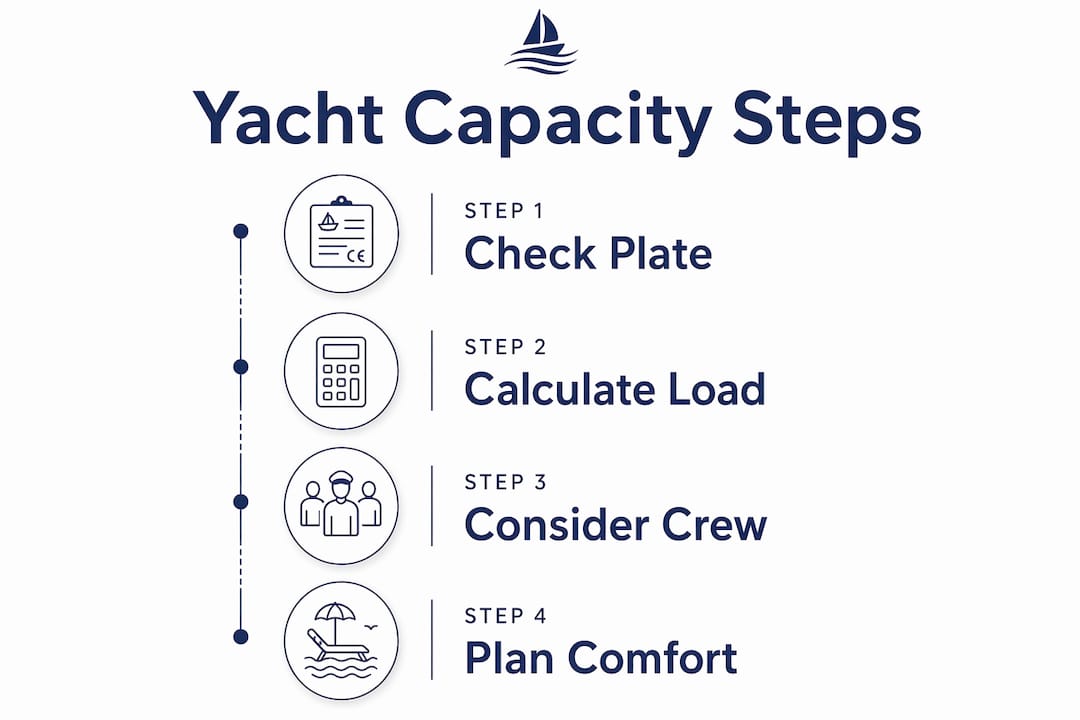
Iată un ghid practic pentru alegerea dimensiunii potrivite a iahtului pentru grupul dumneavoastră:
- Începeți prin a stabili numărul de invitați. Notați toate persoanele care participă, inclusiv copiii.
- Adaugă echipajul. Întrebați compania de închiriere exact câți membri ai echipajului se vor afla la bord.
- Se scade numărul membrilor echipajului din capacitatea certificată. Astfel, veți afla numărul real de oaspeți pe care îl puteți primi.
- Aplicați un strat de protecție pentru confort. Pentru o experiență cu adevărat relaxantă, încercați să vă încadrați cu 20-30 la sută sub capacitatea maximă de oaspeți.
- Luați în considerare stilul evenimentului. O vacanță de o săptămână cu iahtul în Croația necesită mai mult spațiu personal decât o excursie de o zi. Alegeți dimensiunea iahtului în funcție de durata și intensitatea călătoriei.
Sfat profesional: Pentru o vacanță de o săptămână pe un iaht, regula generală printre oaspeții cu experiență în închirierea de iahturi este de o cabină pentru fiecare cuplu sau pereche de prieteni, cu un salon comun în care să nu se simtă aglomerație la cină. Dacă configurația iahtului obligă trei cupluri să se cazeze în două cabine, alegeți un iaht mai mare.
Cum se interpretează capacitatea unui iaht atunci când se planifică excursii cu iahtul în grup sau cu familia
Citirea corectă a plăcuței cu specificațiile tehnice este o abilitate care se învață în aproximativ cinci minute și care vă scutește de adevărate bătăi de cap pe viitor. Atunci când comparați iahturi pentru o excursie în grup cu barca cu pânze în Grecia, Croația sau Insulele Virgine Britanice, iată ce trebuie să aveți în vedere și cum să folosiți aceste informații.
Plăcuța de capacitate reprezintă baza legală, dar specificațiile privind dimensiunile iahtului nu se limitează la aceasta. A excursie de navigație în grup bine organizată depinde, de asemenea, de configurația navei: numărul de cabine, dimensiunea cabinei de comandă destinată socializării, spațiul disponibil pe punte pentru plajă și dacă toaletele pot deservi în mod realist pe toată lumea fără să se formeze cozi în fiecare dimineață.
Catamaranele, de exemplu, oferă de obicei mai mult spațiu de locuit pe fiecare picior de lungime decât iahturile cu vele cu corp unic. Un catamaran de 45 de picioare, cu patru cabine duble și două băi, poate găzdui confortabil opt oaspeți, într-un mod pe care un iaht cu o singură carenă de 45 de picioare pur și simplu nu îl poate egala. Cifrele privind capacitatea pot părea similare pe hârtie, dar experiența la bord este complet diferită. Înțelegerea modul în care tipul de iaht afectează confortul este la fel de important ca și cunoașterea cifrelor privind capacitatea brută.
Folosiți această listă de verificare înainte de a confirma orice rezervare:
- Verificați capacitatea certificată de pasageri și întrebați în mod specific câți membri ai echipajului se vor afla la bord.
- Verificați capacitatea de încărcare în raport cu greutatea reală a bagajelor și a echipamentului grupului vostru.
- Examinați dispunerea cabinei pentru a ne asigura că toată lumea are un loc confortabil unde să doarmă.
- Întrebați despre spațiul din cabina de pilotaj și de pe punte pentru numărul de invitați pe care îi aduceți.
- Alege o carte puțin mai mare decât crezi că ai nevoie. Spațiul suplimentar este întotdeauna folosit și întotdeauna apreciat.
| Dimensiunea grupului | Lungimea minimă recomandată a iahtului | Tipul recomandat |
|---|---|---|
| 2–4 oaspeți | de la 38 la 42 de picioare | Monococ sau catamaran mic |
| 5–8 oaspeți | Catamaran de 44 până la 50 de picioare | Se preferă catamaranul |
| 9–12 invitați | Catamaran de 50–60 de picioare | Catamaran mare sau gulet |
Acestea sunt recomandări bazate pe confort, nu cerințe legale minime. Tehnic vorbind, poți îmbarca mai multe persoane pe ambarcațiuni mai mici. Întrebarea este dacă dorești să faci acest lucru.
Principalele concluzii
Capacitatea iahtului reprezintă o limită legală de siguranță, nu un obiectiv, iar planificarea călătoriei de grup astfel încât să se mențină o marjă confortabilă sub această limită este ceea ce face diferența între o vacanță minunată pe mare și una stresantă.
| Punct | Detalii |
|---|---|
| Plăcuța cu capacitatea este baza legală | Înainte de a rezerva orice iaht, solicitați întotdeauna numărul certificat de pasageri și limita de greutate. |
| Echipajul se include în total | Scade numărul căpitanului și al echipajului din capacitatea certificată pentru a afla numărul real de oaspeți pe care îl poți primi. |
| Pragul de 12 pasageri declanșează aplicarea reglementărilor | Iahturile exploatate în scop comercial care transportă mai mult de 12 pasageri sunt supuse unor standarde de siguranță mult mai stricte. |
| Funcționarea sub valoarea maximă sporește confortul | Rezervarea cu o marjă de 20-30 la sută sub capacitatea maximă asigură o experiență vizibil mai relaxată. |
| Tipul iahtului determină experiența | Catamaranele oferă mai mult spațiu util pe picior decât ambarcațiunile cu un singur corp, ceea ce le face alegerea ideală pentru grupuri mai mari. |
Ce am învățat în urma anilor petrecuți în a potrivi grupuri cu iahturi
Majoritatea persoanelor care ne contactează în legătură cu o vacanță pe mare s-au documentat deja. Știu aproximativ câte persoane vor participa și au în minte o dimensiune a iahtului. Ceea ce îi surprinde este cât de des acea dimensiune se dovedește a fi puțin prea mică, nu din cauza limitei legale de capacitate, ci din cauza realității de a împărți o barcă timp de o săptămână.
Cifra care mi se pare cel mai des înțeleasă greșit este numărul membrilor echipajului. O familie de șase persoane rezervă un iaht certificat pentru opt persoane, se simte foarte bine având în vedere marja de două persoane, iar apoi descoperă că prezența căpitanului și a bucătarului reduce numărul real de oaspeți la șase. Se află exact la limita maximă legală, fără niciun spațiu de manevră. Nu va fi o săptămână confortabilă pe apă.
Recomandarea mea sinceră este următoarea: considerați capacitatea certificată ca pe un plafon pe care nu ar trebui să-l atingeți niciodată, nu ca pe un obiectiv pe care ar trebui să-l urmăriți. vacanțe private de navigatie despre care oamenii vorbesc cu entuziasm după aceea sunt aproape întotdeauna cele în care iahtul părea spațios, nu cele în care fiecare cușetă era ocupată. Un catamaran cu patru cupluri și un echipaj de doi oameni, pe o ambarcațiune de 50 de picioare certificată pentru 12 persoane, este un vis. Aceleași patru cupluri pe un monocorp de 42 de picioare certificat pentru 10 persoane reprezintă cu totul altă poveste.
Reglementările există dintr-un motiv întemeiat, iar respectarea lor nu este negociabilă. Însă, dincolo de respectarea regulilor, adevărata artă a planificării unei excursii minunate cu iahtul constă în alegerea unui iaht în care capacitatea de cazare să ofere tuturor spațiu suficient pentru a respira, a se relaxa și a se bucura cu adevărat de apele cristaline din jur.
- Sail
Planifică-ți excursia perfectă cu barca cu pânze alături de Sailarmada
Sailarmada elimină incertitudinea atunci când vine vorba de alegerea iahtului potrivit pentru grupul dumneavoastră. Fiecare iaht din flota Sailarmada vine cu informații clare privind capacitatea, planuri detaliate ale cabinelor și îndrumări avizate din partea căpitanilor care cunosc bine Marea Mediterană, Insulele Virgine Britanice și alte destinații. Fie că plănuiești o săptămână în familie în Grecia, o excursie cu prietenii de-a lungul coastei croate sau o escapadă privată în Sardinia, echipa noastră te ajută să găsești o ambarcațiune în care capacitatea să asigure confortul, nu doar respectarea normelor. Explorează vacanțe private de navigatie adaptate la numărul de persoane din grupul dumneavoastră, sau comparați Opțiuni individuale vs. opțiuni de grup pentru a găsi formatul care se potrivește perfect echipei tale.
FAQ
Care este numărul maxim de pasageri pe un iaht?
Numărul maxim de pasageri depinde de plăcuța de capacitate certificată a iahtului și de reglementările în vigoare. Conform Codului pentru iahturi al Grupului Red Ensign, iahturile exploatate în scop comercial cu o lungime de 24 de metri sau mai mare sunt limitate la 12 pasageri, după care se aplică standarde mai stricte.
Echipajul este inclus în limita maximă de pasageri a iahtului?
Da. Conform majorității cadrelor internaționale privind navele charter și reglementărilor Gărzii de Coastă a SUA, toți membrii echipajului și ai personalului sunt incluși în limita totală de pasageri, ceea ce reduce numărul de oaspeți pe care îi puteți îmbarca în mod legal.
Cum pot calcula câte persoane încap pe un iaht?
Pentru ambarcațiunile mici care nu au o plăcuță cu capacitatea maximă, formula utilizată în SUA este (lungimea ambarcațiunii × lățimea ambarcațiunii) ÷ 15. În cazul iahturilor închiriate, solicitați întotdeauna capacitatea oficială certificată de la compania de închiriere și scădeți numărul membrilor echipajului pentru a afla numărul real de pasageri pe care îl puteți transporta.
De ce unele iahturi mari au limite stricte privind numărul de pasageri?
Dimensiunea fizică și capacitatea juridică nu sunt același lucru. Un iaht de mari dimensiuni poate fi autorizat să transporte doar 12 pasageri, deoarece certificarea sa comercială a fost eliberată în conformitate cu un cadru normativ care limitează numărul de pasageri la acest prag, indiferent de spațiul disponibil pe punte.
Câți oaspeți ar trebui să invit pentru o vacanță confortabilă pe un iaht?
Ghizii de charter și căpitanii experimentați recomandă ca numărul de oaspeți să fie cu 20-30% mai mic decât capacitatea maximă certificată a iahtului. Această marjă ține cont de echipaj, de greutatea echipamentului și de spațiul personal necesar pentru ca o săptămână petrecută pe apă să fie cu adevărat plăcută.