A sailing vacation sounds like pure freedom: crystal-clear water, warm breezes, gorgeous sunsets from the cockpit. And it genuinely is. But a surprising number of travelers board a yacht without thinking through the safety side of things until something goes wrong. The good news? Getting prepared is much simpler than it sounds. These sailing vacation safety tips cover everything from the gear you pack to how you behave on deck, so you can spend your time soaking in the views instead of dealing with avoidable problems.
Table of Contents
- Key takeaways
- 1. Essential safety gear to pack for a sailing vacation
- 2. Behavioral safety practices that keep you out of danger
- 3. Fatigue management and staying alert while sailing
- 4. Boat maintenance awareness and emergency equipment
- 5. Safety by sailing vacation type: solo, group, and family
- My honest take on sailing safety
- Sail safely and confidently with Sailarmada
- FAQ
Key takeaways
| Point | Details |
|---|---|
| Gear up before you go | Check life jacket condition, pack reef-safe sunscreen, and bring soft duffel bags that fit through companionway hatches. |
| Behavior onboard is everything | Stay clipped in on deck, avoid alcohol while sailing, and follow your skipper’s briefing to the letter. |
| Fatigue is a real risk | Solo sailors should use a 20-minutes-on, 40-minutes-rest cycle to stay sharp and avoid dangerous mistakes. |
| Know your emergency equipment | Familiarize yourself with the grab bag, flare locations, and seacock positions before you leave the dock. |
| Safety looks different by trip type | Solo sailors, families, and groups each have distinct safety priorities worth planning for in advance. |
1. Essential safety gear to pack for a sailing vacation
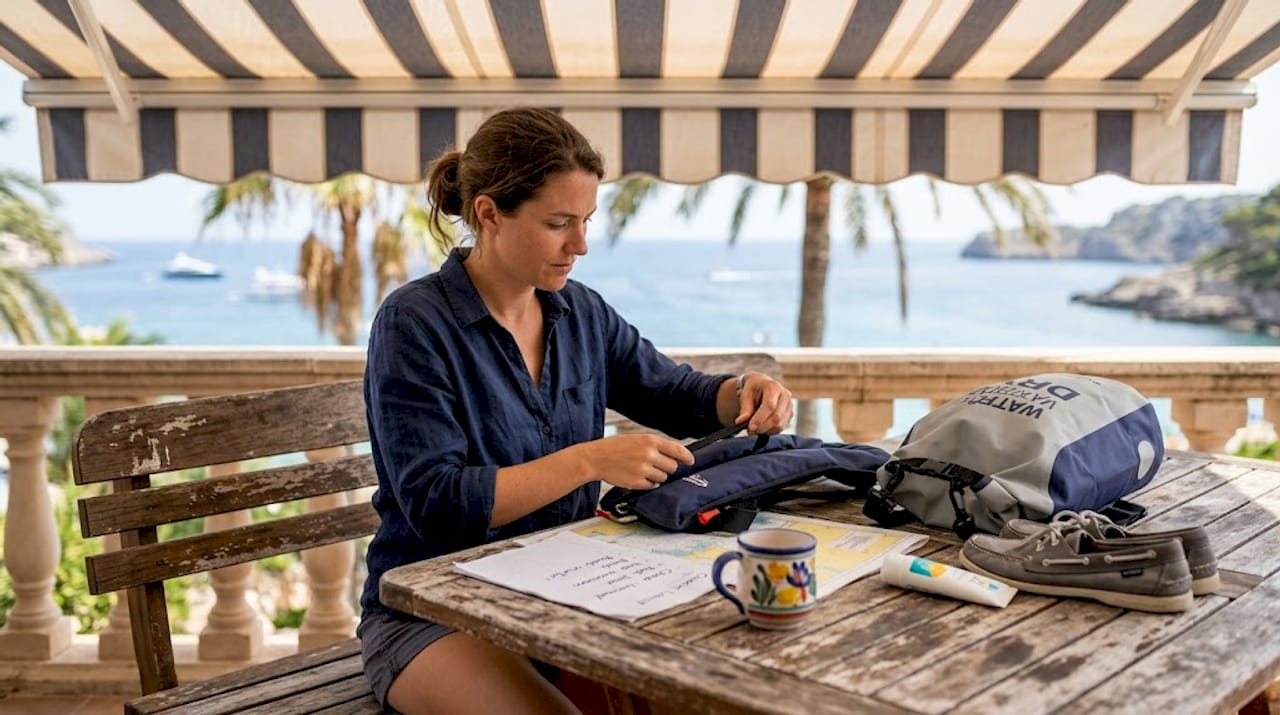
Getting your gear right before you step on board is one of the most underrated sailing vacation safety tips out there. Most travelers focus on what to wear to the beach, not what keeps them safe on the water. Start with life jackets. Before you head out, verify life jacket accessibility and check expiration dates, because charter equipment can degrade between trips without anyone noticing.
Your footwear matters more than you think. Light-colored, non-marking soles are mandatory on most charter yachts, and for good reason. Dark-soled shoes can leave scuff marks that trigger cleaning fees ranging from €1,500 to €3,000.
Sun protection is another non-negotiable. Water reflects 10 to 30% of UV radiation back upward, meaning you are getting hit from above and below at the same time. Pack reef-safe sunscreen, SPF lip balm, UV-blocking sunglasses with retainer cords, and UPF-rated clothing. Sailors can get serious burns in as little as 15 minutes on a sunny passage.
For seasickness, timing is everything. Take cinnarizine or similar medication two hours before departure, not after nausea hits. If you prefer a drug-free option, acupressure wristbands are widely available for around €8 to €12 and work well for mild symptoms.
Finally, leave the hard-shell suitcase at home. Standard rigid suitcases do not fit through a yacht’s companionway hatch, which typically measures around 55 by 50 cm. Soft duffel bags or backpacks are the only practical choice.
Pro Tip: Pack a small waterproof dry bag for your phone, wallet, and any medications. If you go overboard or a wave crashes across the cockpit, you will be glad everything important stayed dry.
2. Behavioral safety practices that keep you out of danger
Gear sets you up. Behavior keeps you safe. The most common mistakes on sailing vacations are not about equipment at all. They are about judgment and habits on deck.
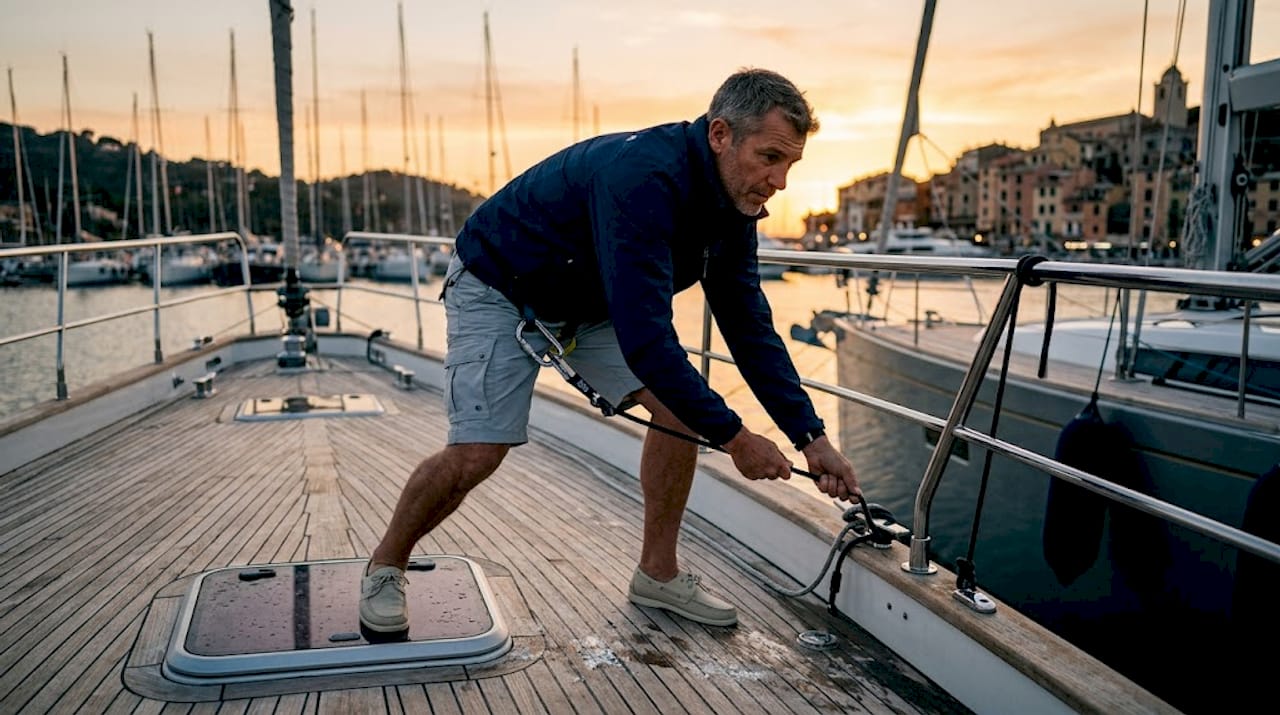
The golden rule? Never step onto the deck without clipping your harness to the jacklines first. For solo sailors especially, harness discipline is paramount. A harness alone can pin you against the hull if you go over, making self-recovery nearly impossible. Properly installed jacklines running along the boat’s centerline with short tethers are your best defense against going overboard entirely.
On deck, practice maintaining three points of contact at all times: two hands and one foot, or two feet and one hand. The boat moves constantly, and a moment of inattention is all it takes.
Alcohol is another topic worth being direct about. Drinking while sailing is common on vacations, but it genuinely compromises your coordination and decision-making at the worst possible times. Save the sundowner for when the anchor is down and the sails are packed away.
Here are a few more behavioral habits that make a real difference:
- Never sail into a developing storm or high winds without a plan to shelter or heave to.
- Be especially cautious during lightning. The mast is the highest point on the water.
- Establish a clear communication plan with everyone on board before you leave the dock.
- Listen to the skipper’s full safety briefing, even if you have sailed before.
Pro Tip: Before departure, walk every person on board to the life jackets, flares, and fire extinguisher locations. A safety briefing that people actually absorb takes ten minutes and could save someone’s life.
3. Fatigue management and staying alert while sailing
Fatigue is one of the most underestimated dangers on a sailing vacation, and it affects solo sailors and groups differently. If you are sailing solo, the recommended watch cycle is 20 minutes of active steering followed by 40 minutes of rest. That rhythm lets your body recover without losing situational awareness.
For group and family trips, rotating watch duties among capable adults serves the same purpose. Nighttime sailing introduces additional risks, so red-light headlamps are a smarter choice than white flashlights. White light kills your night vision in seconds. Red light preserves it.
Technology helps too. AIS alarms, radar guard zones, and autopilot overrides are valuable safety aids that can alert you to nearby vessels while you rest. The Ocean Signal MOB1 personal AIS transponder is one example: it broadcasts your GPS position to nearby ships automatically if you go overboard, dramatically improving rescue odds.
Route planning plays a direct role in fatigue management as well. Choosing passages with light, predictable winds and calm conditions reduces the workload and keeps energy reserves for unexpected situations. Planning your sailing route for stable conditions is just as much a safety decision as checking your gear.
For solo travelers, Sailarmada’s Mediterranean sailing guide for solo travelers covers fatigue management strategies and rest rhythms in the context of real sailing itineraries.
4. Boat maintenance awareness and emergency equipment
You do not need to be a mechanic to sail safely, but knowing a few key things about how the boat works could make a huge difference in an emergency.
Start with the marine toilet. Yacht plumbing uses fragile 38 mm pipes, and flushing anything except marine toilet paper causes blockages. No wet wipes, no cotton buds, no sanitary products. This sounds minor, but a blocked head mid-passage is genuinely miserable and potentially costly.
More critically, know where your emergency grab bag is and what is inside it. A well-stocked grab bag should include:
- A waterproof flashlight and knife
- Thermal emergency blankets
- Flares and warning devices
- A first aid kit
- Emergency rations and water
- A sea anchor for storm survival
The grab bag should be accessible within 10 seconds from the companionway. If it is buried under gear or locked away, it is not doing its job.
Ask your skipper to show you the seacock locations, which are the through-hull valves that control water flow into and out of the boat. If a hose fails and water starts flooding in, knowing where the seacock is could buy you critical time.
Pro Tip: Walk yourself through a “what if” scenario before you leave port. What would you do if the engine failed? If someone fell overboard? Mental rehearsal takes five minutes and puts you miles ahead of the average charter guest.
5. Safety by sailing vacation type: solo, group, and family
Not all sailing vacations carry the same risks, and your safety checklist should reflect the kind of trip you are taking.
| Safety area | Solo sailors | Groups | Families with kids |
|---|---|---|---|
| Harness and jackline use | Non-negotiable at all times | Recommended on passages | Required for children on deck |
| Watch rotation | 20 min on / 40 min rest | Rotated among adults | Adults only; children supervised |
| Emergency briefing | Self-conducted before departure | Skipper-led group briefing | Assign a family safety lead |
| Man overboard plan | Pre-rigged recovery systems | Practiced with group | Adults rehearse; explain to older kids |
| Gear essentials | PLB or AIS transponder | Shared grab bag | Child life jackets checked separately |
For solo sailors, the mental and physical load is concentrated on one person, which means preparation depth matters more. Clip in before you go on deck, use your AIS, and plan your rest cycle. For groups, the risk shifts toward coordination. A group safety briefing builds shared awareness and ensures nobody assumes someone else is watching the horizon.
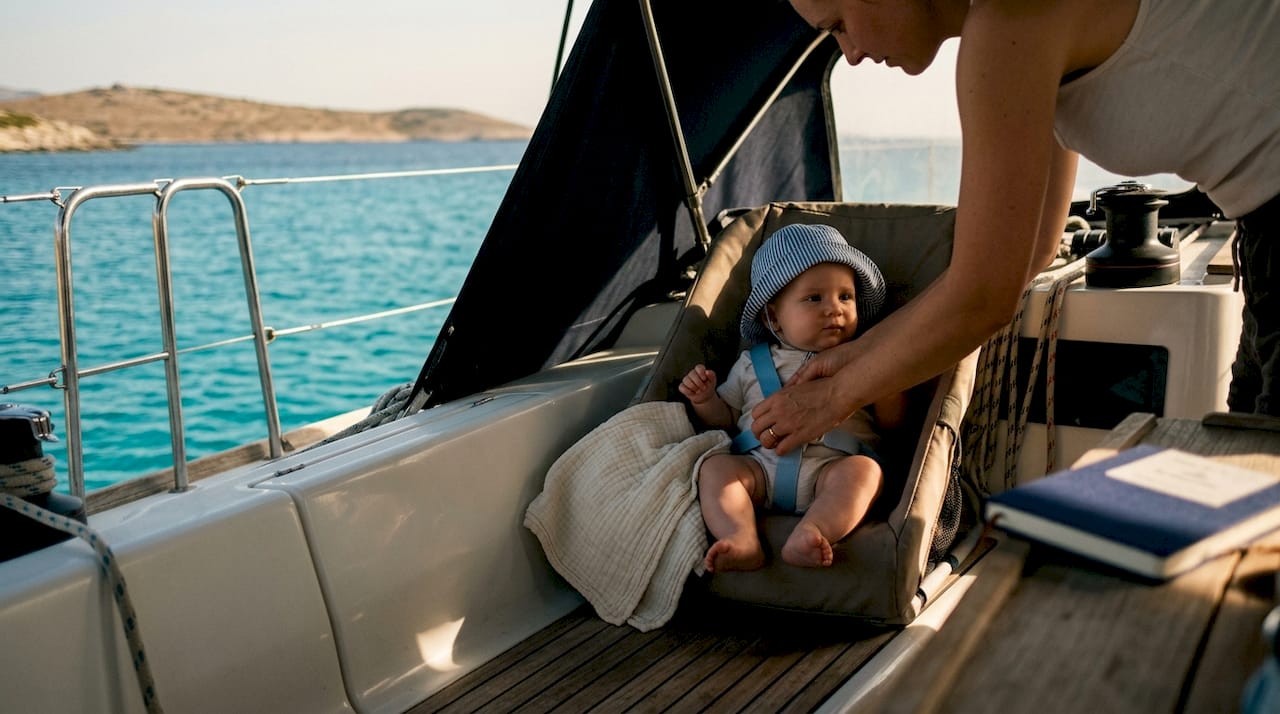
For families, the specific items to check include child-sized life jackets in good condition, age-appropriate tethers, and a clear rule about kids on deck at night. Sailarmada’s guide to planning a family sailing trip breaks down what to organize before you even arrive at the marina.
Private yacht charters add an extra layer of confidence here because you have a dedicated skipper and crew who know the boat and the conditions. For groups and families in particular, that experience on board translates directly into safer, smoother passages.
My honest take on sailing safety
I have spent enough time around sailing vacations to notice a consistent pattern: the people who struggle most are the ones who treated the safety briefing like a formality. They nodded along, assumed nothing bad would happen, and then got caught off guard by something entirely predictable.
In my experience, the psychological benefit of being genuinely prepared is almost as valuable as the practical benefit. When you know where the grab bag is, when you have walked through a man overboard scenario, when you understand what your skipper expects of you on deck, you relax. You stop carrying that low-level anxiety that comes from not knowing what you would do if something went wrong.
What I have learned is that safety and enjoyment are not in tension on a sailing vacation. They reinforce each other. The most memorable trips I know of happened because everyone on board was confident, prepared, and free to actually enjoy the water. A safety checklist is not a buzzkill. It is the foundation for a genuinely carefree week on the sea.
— Sail
Sail safely and confidently with Sailarmada
Sailarmada designs sailing holidays where safety and serenity go hand in hand. Every private charter comes with an experienced skipper who runs a thorough pre-departure briefing, knows the Mediterranean routes inside out, and is there to make sure your group or family feels confident from day one. Whether you are organizing a group sailing week in Greece, a family trip around Croatia, or a solo adventure in Turkey, the planning support makes a real difference.
For groups, private yacht charters take the coordination pressure off your plate entirely. You get the dedicated boat, the expert crew, and the peace of mind that comes from sailing with people who genuinely know what they are doing. Explore Sailarmada’s sailing holiday options and start planning a trip that is as safe as it is stunning.
FAQ
What are the most important sailing vacation safety tips?
Pack and verify life jackets before departure, always clip your harness to jacklines on deck, follow your skipper’s safety briefing, and carry a fully stocked emergency grab bag accessible within seconds.
How do solo sailing safety tips differ from group sailing tips?
Solo sailors must use structured rest cycles (20 minutes on, 40 minutes rest), carry personal AIS transponders, and pre-rig recovery systems since no one is available to help. Groups should focus on shared watch rotations and a coordinated man overboard plan.
What goes in a sailing safety checklist for families?
Child-sized life jackets in verified condition, a rule that kids stay below deck at night, an adult safety lead assigned before departure, and age-appropriate tethers for children on Mediterranean passages.
How can I prevent seasickness on a sailing vacation?
Take cinnarizine or similar medication two hours before departure for best effectiveness. If you prefer a drug-free option, acupressure wristbands are available for around €8 to €12 and work well for mild cases.
Do I need special gear for Mediterranean sailing safety?
Yes. UV protection is especially critical since water reflects significant radiation back upward. Pack reef-safe sunscreen, UV sunglasses with retainers, and UPF clothing even on partly cloudy days to avoid burns during long passages.