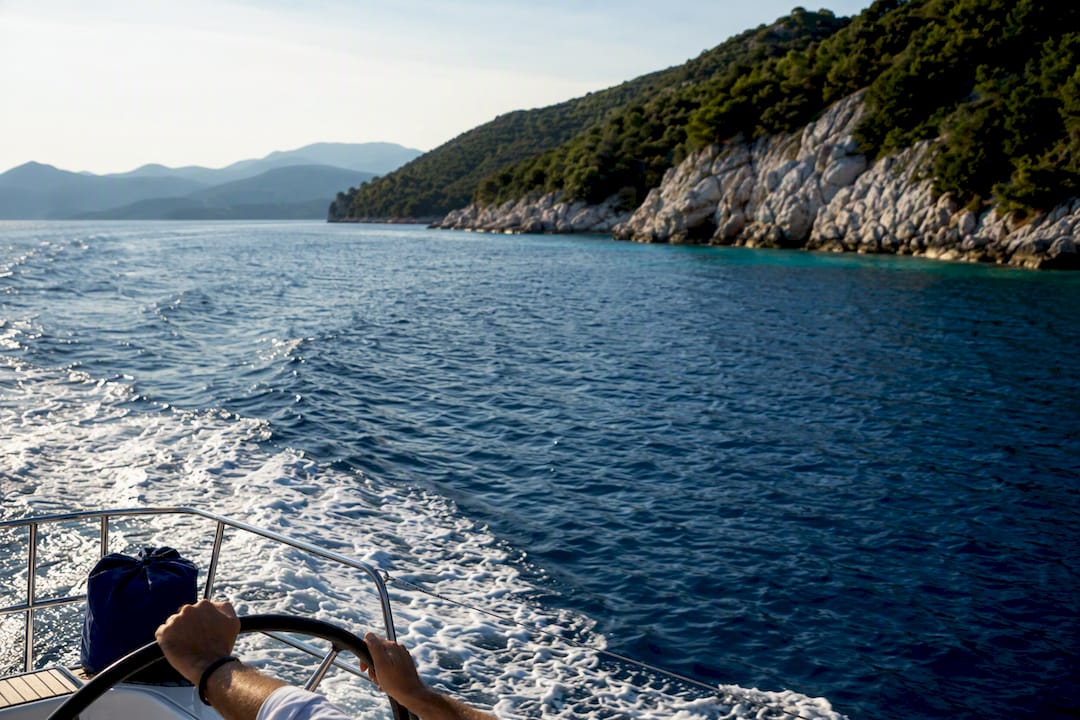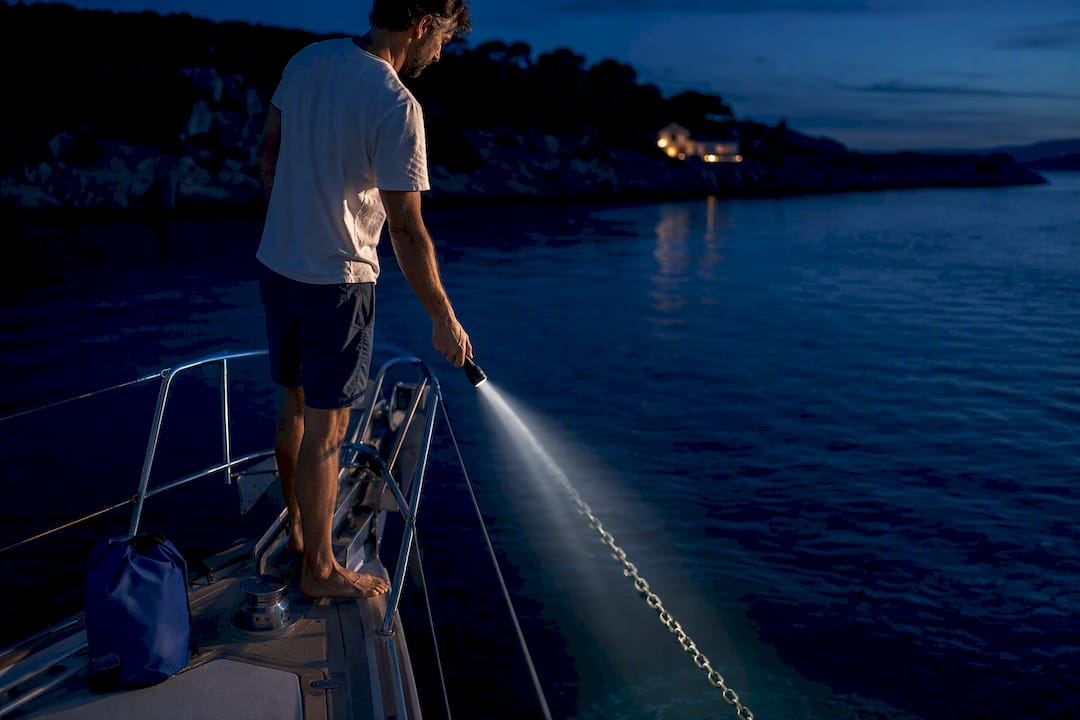

Booking a skippered yacht charter means you don’t need a sailing license, a logbook, or any formal maritime certification. The professional skipper handles navigation, docking, safety compliance, and every technical decision on the water. Your job is to show up, relax, and soak in the crystal-clear views. That said, a few guest-side behaviors make the whole trip smoother and more enjoyable for everyone aboard.
- You’re there to enjoy the experience, not operate the vessel.
- A handful of simple onboard habits, from following skipper instructions to packing the right gear, genuinely improve comfort and safety for the whole group.
Table of Contents
- What are the essential skills for yacht charter guests?
- What guest behaviors actually matter on a skippered yacht?
- What does your professional skipper actually handle?
- Your pre-boarding checklist for the 48 hours before departure
- What happens at embarkation and why the welcome briefing matters
- Should you learn to sail or book a bareboat charter instead?
- Key Takeaways
- What the Sailarmada team has seen from first-time charter guests
- Ready for a stress-free skippered sailing holiday?
What are the essential skills for yacht charter guests?
The first thing to understand is that not all charters are the same. Choosing the right type shapes everything about your preparation.
Bareboat charters put you in command. You rent the yacht and sail it yourself, which means charter companies and their insurers will ask for recognized certifications such as ASA, RYA, or ICC equivalents, plus a sailing résumé documenting logged sea miles and relevant boat types. You also handle permits, docking, and any insurance consequences if something goes wrong.
Crewed or skippered charters are a completely different experience. A captain-only or full-crew arrangement means the professionals manage the vessel while you focus on the destination. No qualifications required from guests.
- Bareboat: you need certifications, a sailing résumé, and confidence with docking and anchoring.
- Skippered: the skipper holds all required licenses and takes legal responsibility for the vessel.
- Full crew: adds hospitality roles (chef, deckhand) on top of the skipper’s technical duties.
Pro Tip: Read your preference sheet twice before departure. Once for logistics (dietary needs, arrival times, provisioning) and once for tone (service formality, special occasions). Each reading drives different decisions for your crew.
What guest behaviors actually matter on a skippered yacht?
You don’t need to know how to sail, but a few practical skills and habits make a real difference to everyone’s comfort and safety.

Follow the skipper’s instructions without hesitation. On the water, the skipper’s word is final, especially during docking, anchoring, or any weather change. Getting familiar with basic yacht terminology helps you respond quickly when the crew calls out directions.
Move safely around the boat. Always hold on with one hand when moving on deck, step carefully on wet surfaces, and never sit on the bow rail underway. Boarding from a tender or climbing a swim ladder in a swell takes a little practice, so take your time.
Manage seasickness proactively. If you’re prone to motion sickness, take medication the night before departure, not the morning of. Stay on deck, fix your gaze on the horizon, and avoid reading below decks in choppy conditions.
- Wear non-marking, rubber-soled shoes on deck at all times.
- Stow your gear securely so nothing slides or breaks underway.
- Keep personal medications in a dry, labeled pouch and tell the skipper about anything relevant.
- Listen carefully during the safety briefing for personal flotation device (PFD) locations and man-overboard procedures.
Pro Tip: Pack a small dry bag with your passport, booking confirmation, insurance card, and any prescription meds. Keep it accessible, not buried in a cabin bag.
What does your professional skipper actually handle?
A lot. Understanding the skipper’s full scope of responsibility is genuinely reassuring, especially for first-timers.
On the technical side, your skipper manages passage planning, navigation, anchoring, confined-space docking, weather interpretation, engine and systems monitoring, and emergency response. Anchoring competency and docking in tight marina berths are among the most demanding practical skills in charter sailing, and your skipper has done it hundreds of times.
Beyond the technical work, charter operators prize soft skills just as highly: calm guest communication, crew coordination, itinerary management, and APA (Advance Provisioning Allowance) expense tracking. A great skipper reads the group’s energy and adjusts the day’s plan accordingly, whether that means pushing on to a secluded bay or lingering over lunch in a gorgeous harbor.
- Passage planning and daily routing
- Anchoring, docking, and marina maneuvering
- Weather monitoring and route adjustments
- Engine, generator, water maker, and systems checks
- APA expense logging and daily log entries
- Guest briefings and itinerary communication
Pro Tip: During the welcome briefing, ask the skipper three things: what the day’s first passage looks like, how itinerary changes affect the APA budget, and what the preferred communication style is for the week. Those three questions set the right tone immediately.
Your pre-boarding checklist for the 48 hours before departure
Getting organized before you step aboard saves everyone time and prevents last-minute stress.
Documents to bring:
- Valid passport and any required visas
- Booking confirmation and APA payment receipt
- Travel and medical insurance card
- Sailing license (only if you’ve booked a bareboat charter)
- Any prescription medication documentation
Practical checks:
- Confirm your embarkation time and port location with the operator.
- Review the preference sheet one more time for any provisioning or dietary details.
- Ask the operator when the last full systems check was completed. A thorough check at least 48 hours before boarding catches generator, water maker, and navigation electronics issues while there’s still time to fix them.
- Confirm Wi-Fi or satellite internet availability and any associated costs.
Packing highlights: weather-appropriate layers, non-marking deck shoes, personal medications in a dry pouch, motion-sickness remedies, chargers in a waterproof bag, and a light rain jacket. Sailarmada’s itinerary guides include a full packing list tailored to each destination.
What happens at embarkation and why the welcome briefing matters
The welcome briefing is more than a safety talk. It’s the moment that sets the tone for the entire week, clarifies costs, and establishes the working relationship between guests and crew.
A thorough briefing covers safety equipment locations, man-overboard procedures, PFD storage, APA tracking and receipts, satellite internet rates (a common source of end-of-charter disputes when left unclarified), and the itinerary’s flex points. The skipper will also explain how daily logs and APA receipts protect both parties if any expense questions arise at the end of the trip.
- Ask about itinerary flexibility and what triggers a route change.
- Confirm how APA expenses are tracked and when you’ll see a daily summary.
- Clarify satellite/Wi-Fi costs and any usage caps before anyone connects.
Pro Tip: Brief your whole group before the skipper’s walkthrough. Agree on a point person for questions so the briefing stays focused and everyone gets the key information.
Should you learn to sail or book a bareboat charter instead?
If you loved your skippered week and want more control next time, that’s a great sign. But going bareboat is a meaningful step up in responsibility.
Consider bareboat if you’re confident with docking and anchoring, want to set your own pace without a crew, and are willing to produce ASA, RYA, or ICC-equivalent certificates plus a sailing résumé. Beginner-friendly waters like the British Virgin Islands or the Greek islands work well for first bareboat attempts, and using a provisioning service removes one major logistical headache.
- Short coastal courses and day-skipper programs build the foundational skills.
- Practice docking in a marina before attempting a full bareboat week.
- Make sure at least one crew member has relevant sailing experience.
Pro Tip: Not sure you’re ready? Book a skippered charter and ask the skipper for hands-on lessons during calm passages. You’ll learn anchoring, sail trim, and basic navigation in real conditions, with a professional right there. It’s the fastest, safest way to build confidence before going bareboat.
Sailarmada’s bareboat charter guide walks through the certification path and what to expect from your first independent charter.
Key Takeaways
Booking a skippered charter means the essential skills for yacht charter guests are behavioral, not technical. The skipper handles the boat; you handle your preparation and attitude.
| Point | Details |
|---|---|
| No qualifications needed | Skippered charters require no sailing license or certification from guests. |
| Guest behaviors matter | Follow skipper instructions, move safely on deck, and manage seasickness proactively. |
| Skipper covers the technical work | Navigation, anchoring, docking, weather, and systems monitoring are all the skipper’s responsibility. |
| Prepare 48 hours out | Confirm documents, provisioning, embarkation time, and systems check status before boarding. |
| Sailarmada for skippered holidays | Sailarmada offers curated skippered charters across the Mediterranean with experienced crews and flexible itineraries. |
What the Sailarmada team has seen from first-time charter guests
The question we hear most often is some version of “Do I need to know how to sail?” And the honest answer is: not even a little, if you’re booking a skippered charter. What actually separates a great week from a stressful one isn’t sailing knowledge. It’s preparation and attitude.
Guests who read their preference sheet carefully, show up with the right documents, and listen during the welcome briefing consistently have the best trips. The skipper’s job is to handle everything technical. Your job is to be present, curious, and ready to enjoy some of the most breathtaking coastlines on the planet.
At Sailarmada, we match groups and families with experienced skippers across Greece, Croatia, Italy, Sardinia, and beyond. Every itinerary is curated, every crew is vetted, and every trip is designed to feel effortless from the moment you step aboard.
Ready for a stress-free skippered sailing holiday?
A private skippered charter with Sailarmada means a professional crew handles every technical detail while you and your group enjoy secluded bays, gorgeous sunsets, and total freedom on the water. Custom itineraries, flexible departure dates, and experienced skippers across the Mediterranean’s most stunning destinations.
Browse Sailarmada’s sailing holidays and find the right yacht, destination, and dates for your group. Your skipper is already planning the perfect route.
Useful sources
- Qualifications to Sail or Charter a Yacht — Clear breakdown of when certifications are required and when they’re not, with insurer and charter company context.
- How to Manage a Yacht Charter: A Captain’s Complete Operations Guide — Authoritative source on preference sheets, systems checks, APA logging, and briefing best practices.
- Skipper Jobs and Requirements — Explains what charter operators look for in professional skippers, including soft skills and guest communication.
- Sailarmada Crewed Charter Guide — Sailarmada’s overview of what a crewed charter includes and what guests can expect from a professional crew.
- Sailarmada Bareboat Charter Explained — Sailarmada’s guide to bareboat requirements, certifications, and the step-up from skippered sailing.