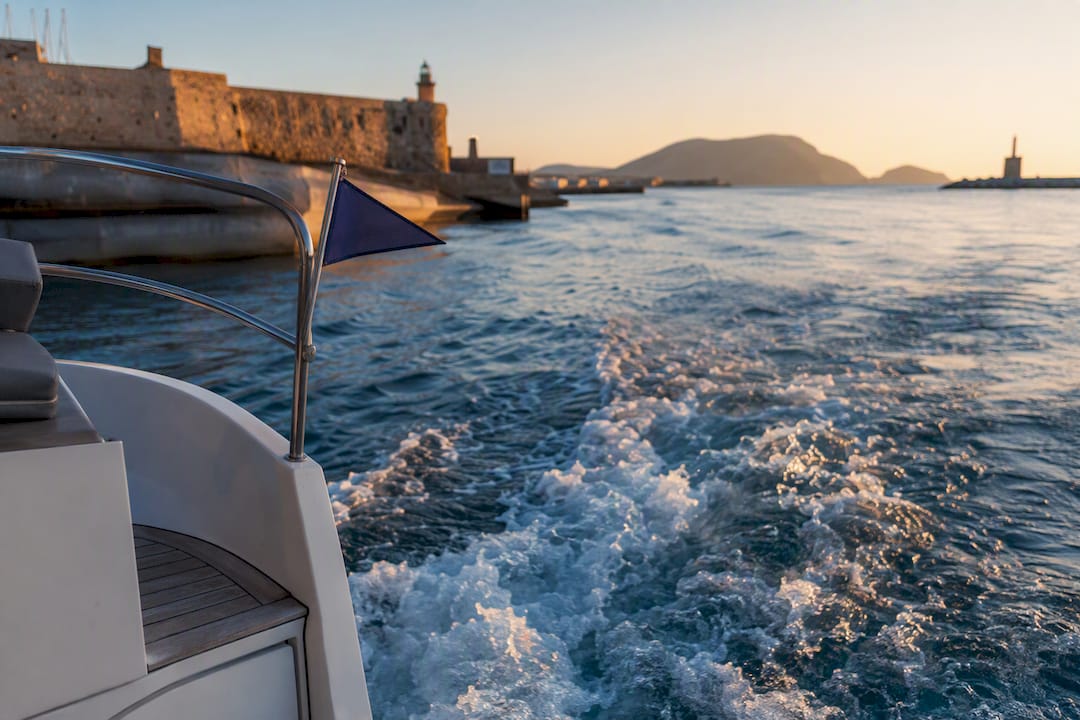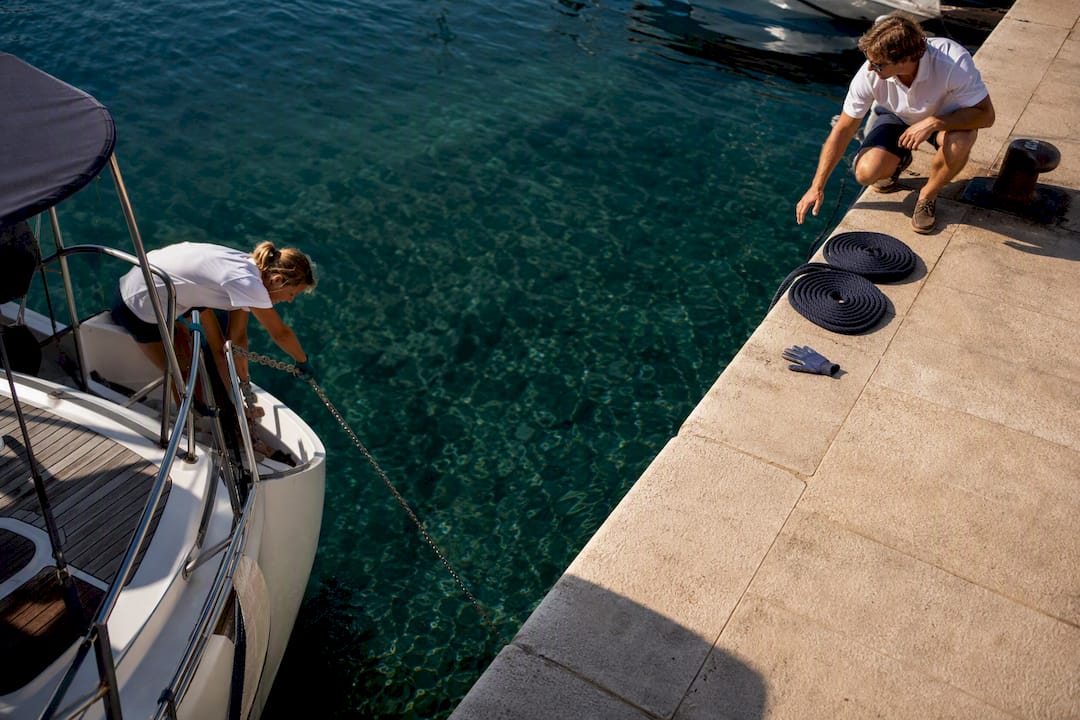
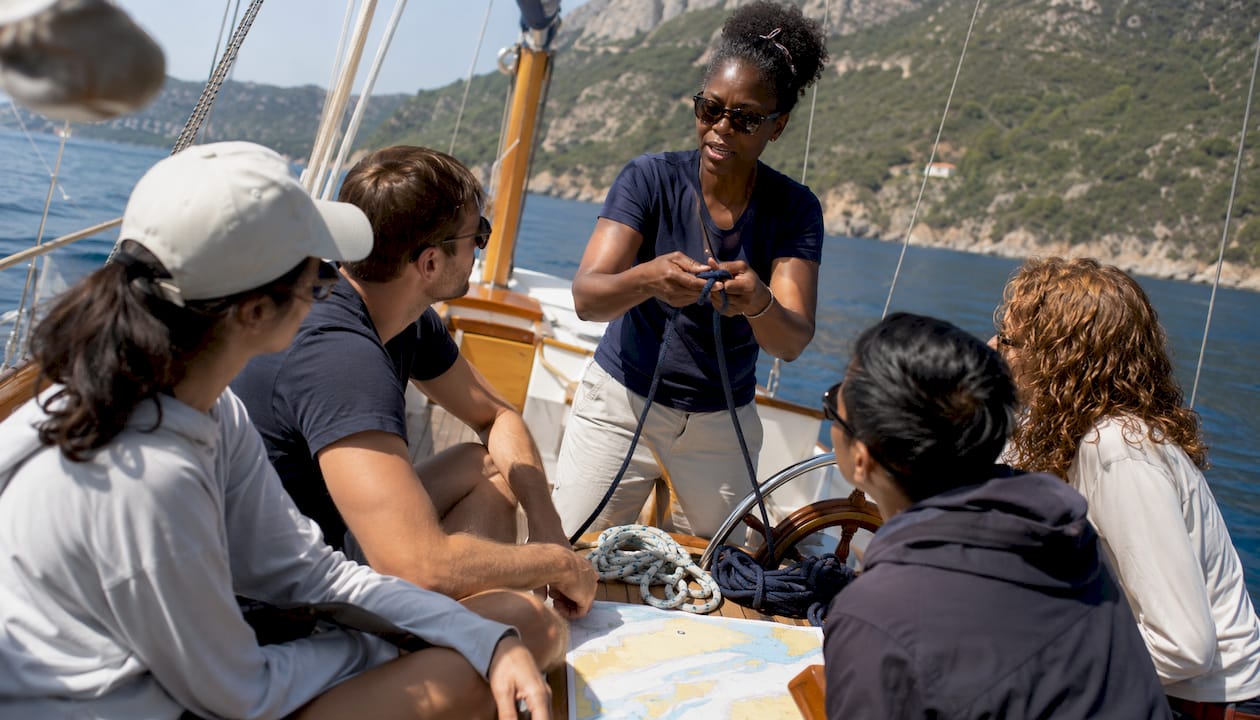
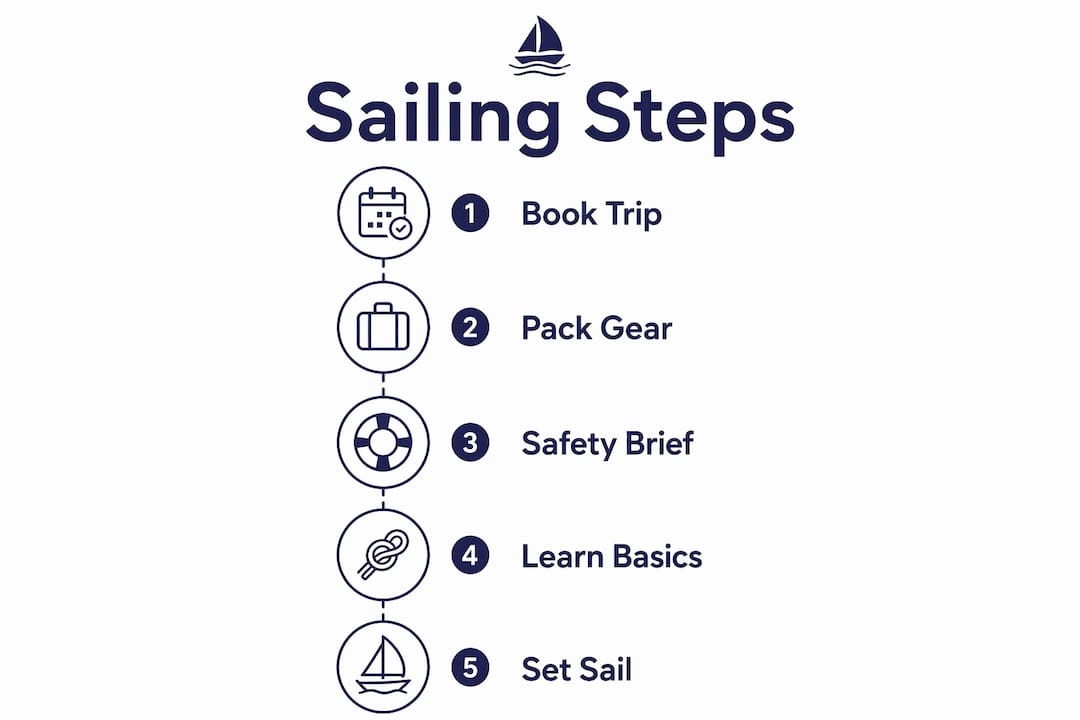
A guided sailing experience follows five clear steps: welcome and safety briefing → cast off → raise sails → active sailing with anchoring for swimming or shore visits → return or overnight anchor. Your skipper handles all navigation and safety decisions, so you never need prior experience to enjoy every moment.
Here’s the sequence at a glance:
- Welcome and safety briefing onboard before departure
- Cast off from the dock under the skipper’s direction
- Raise sails and head out onto open water
- Active sailing, anchoring for swims, snorkeling, or coastal village visits
- Return to port or settle at an overnight anchor
Most guests on many guided trips arrive with zero sailing experience. Skippers double as instructors and manage every technical decision, so your job is simply to show up, stay curious, and enjoy the ride. The sections below cover how to book, what to pack, what a full day looks like, safety essentials, and sample itineraries by trip length.
Table of Contents
- How do you choose and book the right guided sailing trip?
- What should you pack for a sailing trip?
- What does a typical day look like on a guided sailing trip?
- What safety procedures should every guest know?
- How much can beginners actually participate?
- Sample itineraries by trip length
- What does a guided sailing trip cost, and when should you book?
- Key Takeaways
- What consistently makes a guided sailing trip great
- Ready to find your guided sailing trip with Sailarmada?
- Useful sources
How do you choose and book the right guided sailing trip?
Pick the trip type that matches your available time, group size, and comfort level first, then work through the logistics. A half-day sail suits a casual afternoon; a week-long voyage suits anyone who is ready to island-hop and sleep under the stars.
Trip types and what sets them apart:
- Half-day (3–4 hours): Low commitment, great for families with young kids or first-timers testing the water. Usually coastal, calm, and back before lunch.
- Full-day (6–8 hours): Enough time for a proper sail, a swim stop, and a meal at anchor. The sweet spot for most first-time sailing groups.
- Weekend trip: Two days, one overnight at anchor or in a marina. You get a real feel for life aboard without a week-long commitment.
- Week-long voyage: The full experience. Island-hopping, multiple anchorages, and enough time to actually learn the ropes if you want to.
- Flotilla sailing: Multiple boats traveling together, ideal for larger groups who want a social fleet atmosphere. Sailarmada’s group sailing holidays are built around exactly this format.
- Private vs. shared: Private charters give you full control over the itinerary and pace. Shared trips are more affordable and often more social.
Before you confirm your booking, run through this checklist:
- Does the skipper hold a recognized qualification (RYA, US Sailing, or equivalent)?
- Are meals, snorkeling gear, and port fees included, or billed separately?
- What is the cancellation policy if weather forces a change?
- Does the operator carry marine insurance, and are guests covered?
- Have you confirmed passenger dietary needs and any mobility considerations?
Book early for peak Mediterranean season (June through August). Confirm your passenger manifest, dietary restrictions, and arrival logistics at least two weeks before departure. Collect everyone’s passport or ID details and share the operator’s emergency contact with someone onshore.

What should you pack for a sailing trip?
Pack light, layer your clothing, and prioritize safety and health items above everything else. Space on a sailboat is genuinely limited, so soft duffel bags beat hard suitcases every time.
Your pre-trip packing checklist:
- Documents: Passport or government ID, travel insurance certificate, boat waiver signed and returned, operator contact card
- Seasickness medication: Dramamine, Bonine, or prescription patches; bring more than you think you need
- Footwear: Non-slip, rubber-soled deck shoes (no black soles that mark the deck)
- Clothing: Quick-dry layers, a light waterproof jacket, a hat, and a swimsuit or two
- Sun protection: SPF 50+ sunscreen, UV-blocking sunglasses, and a buff or sun shirt for long passages
- Power and electronics: Universal adapter, portable power bank, waterproof phone case
- Swim gear: Mask and snorkel if the operator doesn’t supply them, a light rash guard
- Health kit: Personal medications, antihistamines, blister plasters, and hand sanitizer
Pro Tip: Test your seasickness medication at home two nights before departure, not on the morning you board. Some options cause drowsiness, and you want to know that before you’re on the water. Keep a duplicate of your passport photo page in a waterproof dry bag separate from your main luggage.
Common beginner mistakes include underpacking and arriving late, not declaring food allergies, and underestimating how cool it gets at sea after sunset. A light fleece takes up almost no space and you will be glad you brought it.
What does a typical day look like on a guided sailing trip?
A typical day follows a five-stage flow, and the skipper adjusts timing based on wind, weather, and the group’s energy. Here’s how it usually unfolds:
| Time | Stage | What Happens |
|---|---|---|
| 8–9 AM | Welcome and safety briefing | Life jacket locations, man-overboard drill, daily route overview |
| 9–9:30 AM | Cast off | Skipper and crew handle lines; guests watch or assist |
| 9:30–11 AM | Raise sails and sail | Guests can take the helm, trim sails, or simply relax on deck |
| 11 AM–2 PM | Anchor for swim/lunch | Crystal-clear water, snorkeling, a meal at anchor |
| 2–5 PM | Afternoon repositioning | Sail to the next bay or port; more hands-on time if you want it |
| 5–7 PM | Evening anchor or return | Sundowner at a secluded cove or back to the marina |
On calmer coastal days, the schedule is relaxed and social. On windier offshore legs, the skipper may keep guests seated and focused on the experience rather than active participation. The itinerary is always environment-driven, which is part of what makes sailing feel so different from a land-based vacation.
A regular day on a sailing holiday mixes instruction, leisure, and genuine discovery in a way that no resort itinerary can replicate.
What safety procedures should every guest know?
Safety is the skipper and crew’s responsibility, but every guest should know the immediate basics before the boat leaves the dock. A good operator covers all of this in the morning briefing.
On-board safety essentials to locate and understand:
- Life jackets: where they’re stored and how to put one on
- First-aid kit location and who to report injuries to
- VHF radio and EPIRB: the skipper operates these, but know where they are
- Fire extinguishers: location and basic operation
- Flares: stored in the cockpit locker; skipper demonstrates use
- Emergency contact plan: who onshore knows your route and return time
If something goes wrong:
- Man overboard: Shout “Man overboard!” immediately, point continuously at the person in the water, and do not take your eyes off them. The skipper handles the recovery.
- Sudden weather change: Move below deck or to the cockpit when directed. Do not move around the deck without holding a handhold.
- Medical issue: Alert the skipper immediately. Operators carry first-aid kits and maintain radio contact with coast guard services.
Safety checklists for guided trips recommend verifying EPIRB, flares, life jackets, fire extinguishers, and emergency communication procedures well before departure. Sailarmada’s skipper-curated routes include pre-departure safety briefings as a standard part of every trip.
“Before you get out on the water, tell someone where you’re going and when you intend to return. Carry a means of calling for help. Research wind and weather conditions, and be prepared to change your plans if the forecast is unfavorable.” — RNLI Sailing for Beginners
How much can beginners actually participate?
Most guided trips are genuinely learner-friendly, and you can participate at whatever level feels comfortable. Nobody expects you to know anything when you step aboard.
The typical progression looks like this:
- Observe: Watch the skipper and crew handle departure, sail hoisting, and steering. Ask questions freely.
- Assist: Help with simple tasks like coiling a line, pulling a sheet, or holding the tiller steady in calm water.
- Basic tasks under instruction: Take the helm for a stretch, help trim a sail, or assist with anchoring under direct supervision.
If you want to be hands-on, keep these in mind:
- Wear non-slip shoes and close-fitting clothing on deck
- Always ask the skipper before touching any line or control
- Learn four basic commands: helm (steering), trim (adjusting sails), tack (turning through the wind), and ease (releasing tension on a line)
- Listen to every briefing, even if it sounds basic
Pro Tip: Tell the skipper at the start of the trip that you want to learn. Skippers love enthusiastic guests and will actively create teaching moments throughout the day. US Sailing recommends structured progression from observation to assisted steering as the most effective way to build confidence quickly.
Sample itineraries by trip length
Itinerary pacing changes dramatically with trip length. Here’s what to expect at each level, with activity ideas you can request when booking.
Half-day (3–4 hours): Depart mid-morning, sail along the coast, anchor for a swim, return by early afternoon. Perfect for families or anyone who wants a taste without a full commitment.
Full-day (6–8 hours): Morning departure, two anchor stops (one for snorkeling, one for lunch), an afternoon sail to a new bay, and a sunset return. This is the format that converts most first-timers into repeat sailors.
Weekend trip: Day one covers a longer coastal passage and an overnight at anchor or in a small marina. Day two includes a morning swim, a shore visit to a coastal village, and a relaxed sail back. You genuinely feel the rhythm of life aboard.
Week-long voyage: The Mediterranean sailing itinerary format that Sailarmada specializes in. Days alternate between longer passages and relaxed anchor days, with island-hopping between destinations like Greece, Croatia, or Italy. Mornings are for sailing; afternoons are for swimming, exploring, and eating well.
Optional add-ons to request at booking:
- Dive or snorkel gear rental
- Guided shore excursions at key ports
- Special provisioning (local wines, fresh seafood, dietary-specific menus)
- Sunset cocktail anchor at a secluded cove
What does a guided sailing trip cost, and when should you book?
Cost depends mostly on trip length, exclusivity, and season. A private charter costs more than a shared berth, and peak summer weeks command a premium over shoulder-season dates.
Cost drivers at a glance:
| Factor | Impact on Price |
|---|---|
| Trip length | Half-day to week-long; longer trips cost more |
| Private vs. shared | Private charters significantly higher than shared berths |
| Season | Peak (June–August) costs more than May or September |
| Included services | Meals, fuel, port fees, and gear often billed separately |
| Destination | Mediterranean hotspots vary; BVI and Tahiti typically higher |
For detailed pricing by yacht type and trip format, Sailarmada’s yacht holiday pricing page breaks down what’s included and what’s typically extra.
Booking timeline:
- 6–9 months out: Reserve peak-season weeks, especially for private charters or flotillas
- 8–12 weeks out: Confirm passenger manifest, dietary needs, and travel insurance
- 2–4 weeks out: Check weather patterns for your region and test seasickness medication
- 48–72 hours out: Review the final weather forecast and confirm departure time with the operator
- Day of: Arrive 30 minutes early, bring all documents, and wear your deck shoes
Key Takeaways
A guided sailing trip is beginner-friendly by design: the skipper manages safety and navigation while you choose how much to participate, from total relaxation to hands-on helming.
| Point | Details |
|---|---|
| Book early for peak season | Reserve 6–9 months ahead for summer Mediterranean or Caribbean weeks. |
| Pack light and layer up | Soft bags, non-slip shoes, SPF 50+, and seasickness meds are non-negotiable. |
| Know the safety basics | Locate life jackets and the first-aid kit before the boat leaves the dock. |
| Participate at your pace | Tell the skipper you want to learn; progression goes from observing to steering. |
| Sailarmada’s curated routes | Sailarmada offers private and group sailing holidays with skipper-led itineraries across Greece, Croatia, and Italy. |
What consistently makes a guided sailing trip great
The conventional wisdom says the destination is what sells a sailing holiday. After running guided routes across the Mediterranean, the real differentiator is almost always the briefing quality and itinerary flexibility, not the postcard scenery.
Guests who arrive knowing what to expect, even roughly, have a measurably better time. They ask better questions, they participate more confidently, and they’re far less rattled when the skipper changes course because the wind shifted. Rigid itineraries, on the other hand, create friction. The sea doesn’t negotiate, and operators who build in buffer time and alternative anchorages consistently get better feedback than those who promise a fixed port list.
The other thing most guides understate: communicate your needs to the skipper before you leave the dock, not after. If someone in your group gets seasick easily, say so. If you want hands-on time at the helm, say that too. Skippers genuinely appreciate the heads-up, and it shapes the whole day in your favor. A well-designed itinerary is a starting point, not a contract.
Ready to find your guided sailing trip with Sailarmada?
Sailarmada curates private and group sailing holidays across Greece, Croatia, Italy, and beyond, with experienced skippers who handle navigation and safety while you focus on enjoying the experience.
Every Sailarmada trip includes a skipper-led safety briefing, a flexible route designed around wind and weather, and the choice between a private charter or a sociable group flotilla. Whether you want a week of island-hopping in the Aegean or a long weekend on the Adriatic, the team builds the itinerary around your group’s pace and preferences. Browse private sailing options to check availability and get your trip on the calendar.
Useful sources
The research and safety guidance in this article draws from the following sources:
- US Sailing: Sailing for Beginners, Step-by-Step Guide — the industry standard for structured beginner progression and foundational skills
- RNLI: A Beginner’s Guide to Sailing — authoritative safety guidance on pre-departure checks, life jackets, and weather monitoring
- Salty and Windy: How to Plan a Sailing Trip — practical planning framework covering weather windows, emergency gear, and flexible itinerary design
- Sailing Virgins: First Time Sailing — operator-level insight on beginner guest management and daily trip structure
- Discover Boating: 11 Beginner Sailing Tips — packing, prep, and safety checklist items for novice sailors
“Sailing trips are governed by the environment. Good planning focuses on safety readiness and an adaptable mindset rather than rigid schedules.” — Salty and Windy