Imaginați-vă pe o punte încălzită de soare, cu aerul sărat în păr, privind pescarii cum vopsesc ochii vii de pe bărcile lor vechi, așa cum fac de generații. Acesta este genul de moment care transformă o vacanță pe mare în ceva despre care veți vorbi ani de zile. Mediterana este plină de astfel de experiențe, dacă știți unde să căutați. Dincolo de plajele superbe și apa turcoaz, această mare deține secole de cultură maritimă vie. Acest articol vă prezintă cele mai extraordinare tradiții de navigație din Marea Mediterană, vă arată cum să le deosebiți pe cele reale de cele turistice și vă ajută să planificați o călătorie care să vă conecteze cu adevărat cu sufletul acestei regiuni legendare.
Cuprins
- Cum să identificați tradițiile autentice de navigație în Marea Mediterană
- Regatta istorică din Amalfi: Ritualuri ale vechilor republici maritime
- Bărcile luzzu din Malta: Gardienii folclorului marin
- Falkuša din Croația: Navigație și pescuit la limita tradiției
- Regate moderne: Unde tradiția întâlnește aventura pentru toată lumea
- Patrimoniu la îndemână: Urcați la bordul navelor înalte mediteraneene
- Compararea celor mai unice tradiții de navigație din Marea Mediterană
- De ce adevărata magie a tradițiilor mediteraneene este adesea trecută cu vederea
- Ești pregătit pentru propria ta aventură de navigație în Marea Mediterană?
- Întrebări frecvente
Principalele concluzii
| Punct | Detalii |
|---|---|
| Căutați tradiții vii | Experiențele de navigație mediteraneene autentice includ ritualuri, practici comunitare și participare continuă, nu doar expoziții decorative. |
| Bărcile unice spun povești | Ambarcațiunile de pescuit precum luzzu din Malta și falkuša din Croația întruchipează patrimoniul cultural și oferă modalități directe de conectare cu istoria locală. |
| Alăturați-vă, nu doar priviți | Multe regate și chartere încurajează participarea practică, oferind familiilor și călătorilor un gust adevărat al tradiției. |
| Comparați pentru potrivirea perfectă | Comparați experiențele una lângă alta pentru a alege tradițiile cele mai potrivite pentru grupul și interesele dvs. de călătorie. |
| Micile ritualuri contează | Actele simple - cum ar fi binecuvântarea unei bărci sau pictarea unui ochi - pot aduce o semnificație profundă aventurii tale mediteraneene. |
Cum să identificați tradițiile autentice de navigație în Marea Mediterană
Acum că înțelegeți de ce este importantă tradiția profundă, haideți să vă prezentăm cum să le recunoașteți pe cele cu adevărat autentice. Nu orice tur “istoric” cu barca sau regată “tradițională” merită această etichetă. Unele sunt adevărate tradiții vii transmise din generație în generație. Altele sunt marketing inteligent îmbrăcat cu costume de epocă și standuri cu suveniruri.
Iată ce trebuie să căutați:
- Practicile operaționale sunt cele mai importante. Tradiții care sunt încă operaționale, care înseamnă că ritualurile sunt încă îndeplinite, că bărcile sunt încă construite manual, iar rolurile echipajului urmează încă modele ancestrale, sunt cele care merită să vă faceți timp. Doar estetica nu contează.
- Implicarea locală este cel mai bun indiciu. Dacă evenimentul atrage localnici care participă cu pasiune, mai degrabă decât simpli turiști care observă, înseamnă că ați descoperit ceva real.
- Costumele de epocă și procesiunile semnalează profunzimea. Aceste elemente necesită planificare și efort comunitar. Ele sunt rareori falsificate la scară comercială.
- Scepticismul sănătos vă este de folos. Unele povești de origine sunt mai degrabă simbolice decât dovedite arheologic. De exemplu, Ochiul lui Osiris pictat pe bărcile luzzu din Malta este mai degrabă un folclor cultural bogat decât o supraviețuire confirmată din Egiptul antic. Asta nu îl face mai puțin semnificativ. Îl face uman.
- Experiențe apreciate de localnici. Întrebați comandantul sau lucrătorii portuari locali la ce participă ei înșiși. Răspunsurile lor sunt mult mai fiabile decât orice broșură de călătorie.
Verificarea Evenimente mediteraneene de navigație înainte de a face rezervarea vă poate ajuta, de asemenea, să vă planificați călătoria astfel încât să coincidă cu cele mai bune momente culturale pe apă.
Sfat profesional: Înainte de săptămâna de navigație, verificați dacă evenimentul la care doriți să participați necesită înregistrarea prealabilă pentru participare. Unele experiențe practice, cum ar fi echipajul unei nave tradiționale, se completează cu luni înainte.
Regatta istorică din Amalfi: Ritualuri ale vechilor republici maritime
Înarmați cu aceste criterii, să explorăm una dintre cele mai vechi tradiții vii din regiune. Regata vechilor republici maritime nu este doar o cursă. Este o ceremonie culturală la scară largă care reunește cele patru mari puteri maritime medievale ale Italiei: Amalfi, Veneția, Genova și Pisa.
Iată ce face această tradiție atât de remarcabilă:
- Binecuvântarea solemnă a mării. Fiecare regată se deschide cu această ceremonie emoționantă. Preoți, oficiali și echipaje se adună la docuri pentru a onora marea înainte de începerea competiției. Este un ritual care leagă evenimentul modern direct de secole de rugăciune și implorare maritimă.
- Procesiuni în costume de epocă. Sute de participanți îmbrăcați în costume medievale defilează prin oraș, recreând fastul epocii de aur a fiecărei republici maritime.
- Construcția ancestrală de bărci. Bărcile tradiționale cu vâsle ale regatei sunt construite folosind tehnici istorice, cu atenție la detaliile de design care reflectă navele din trecut. Văzându-le cum străbat apa în formație, vă taie cu adevărat respirația.
- Spirit competitiv înrădăcinat în istorie. Înființat în 1956, evenimentul se desfășoară anual prin rotație între cele patru orașe, menținând rivalitatea vie și fiecare locație profund investită în conservarea propriului patrimoniu.
“Regata cuprinde o binecuvântare solemnă a mării, costume de epocă, bărci tradiționale și parade care reflectă practicile maritime antice.” - Vizitați Amalfi
Dacă vă planificați traseul în jurul acestei tradiții, combinați-o cu una dintre Aventuri de navigație în Amalfi vă oferă combinația perfectă de cultură pe țărm și libertate pe apă. De asemenea, vă puteți uita la Itinerarii pe Coasta Amalfi conceput special pentru grupurile care doresc atât spectacolul, cât și navigarea.
Bărcile luzzu din Malta: Gardienii folclorului marin
În timp ce regata din Amalfi se desfășoară pe o scenă publică grandioasă, bărcile de pescuit de zi cu zi din Malta oferă o tradiție mai subtilă, dar la fel de semnificativă. Luzzu este una dintre cele mai cunoscute ambarcațiuni din întreaga Mediterană. Micuță, vopsită în culori vii și curbată ca un leagăn, aceasta stă jos în apă, cu o pereche de ochi mari și atenți pictați pe prova sa.
Ce face ca luzzu să fie atât de special?
- Ochiul de protecție. Ochiul lui Osiris sau simbolul lui Horus împodobește arcul fiecărui luzzu. Tradiția susține că ochiul veghează asupra pescarilor pe mare. Deși cercetătorii dezbat dacă aceasta este o supraviețuire directă și neîntreruptă din Egiptul antic, simbolismul este profund resimțit de comunitățile de pescari maltezi în prezent.
- Nave de lucru reale. Acestea nu sunt piese de muzeu. Luzzus sunt încă folosite pentru pescuit și puteți urmări pescarii care le întrețin, le vopsesc și le lansează la apă din porturile din Marsaxlokk și alte sate de coastă.
- Influențe italiene, suflet local. Istoricii remarcă faptul că designul corpului luzzu se inspiră din formele bărcilor italiene din secolul al XIX-lea, însă rezultatul este complet și inconfundabil maltez.
- Folclorul ca cultură vie. Chiar dacă povestea Ochiului lui Osiris nu este confirmată arheologic, ea este spusă de fiecare pescar maltez copiilor săi. Acest act de a spune povești este tradiția.
Atunci când vizitați Malta cu vaporul, luați în considerare aranjarea tururi ghidate în Malta care vă duc în porturi funcționale și nu doar la obiective turistice. Adevărata magie constă în a privi aceste ambarcațiuni făcând ceea ce au fost concepute să facă.
Sfat profesional: Vizitați Marsaxlokk într-o duminică dimineața, când piața de pește este în plină desfășurare. Veți vedea zeci de luzzus trase de-a lungul cheiului, iar pescarii locali sunt de obicei bucuroși să vă vorbească despre bărcile lor dacă vă apropiați cu respect.
Falkuša din Croația: Navigație și pescuit la limita tradiției
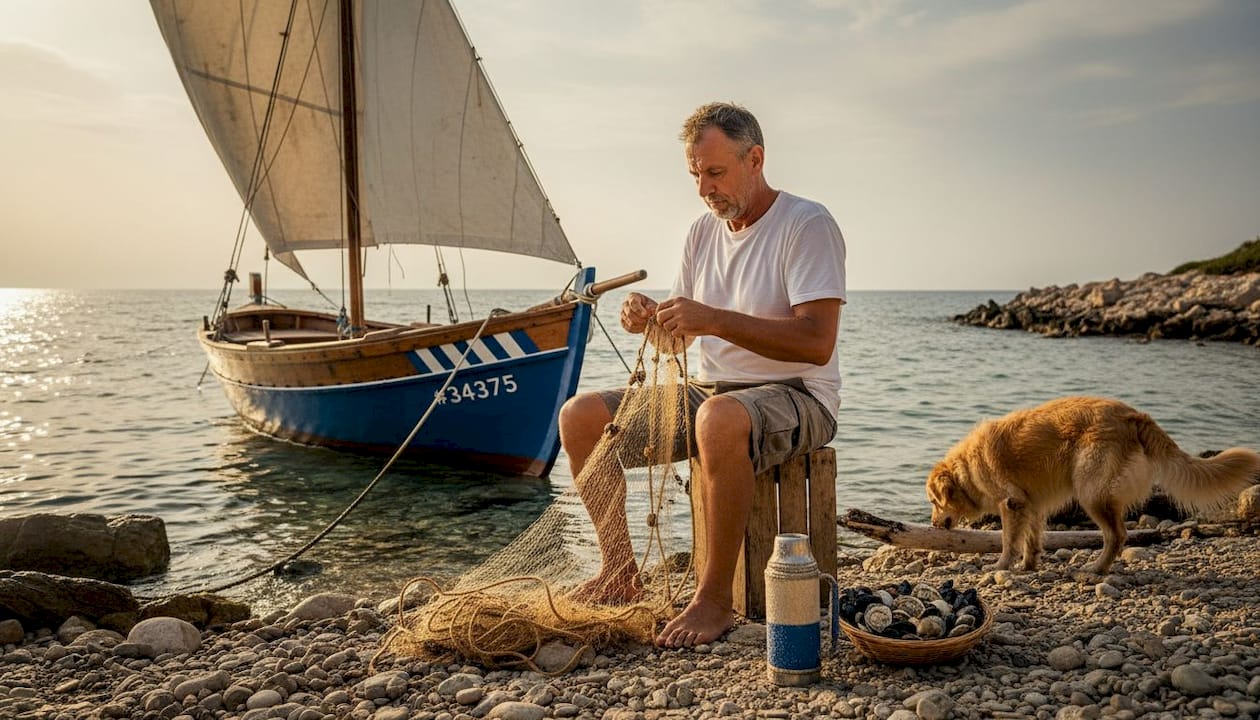
Mergând spre est, insulele croate de la Marea Adriatică păstrează navigația practică și designul inovator al bărcilor pe care le puteți vedea și astăzi. Pe insula Vis, falkuša este o legătură vie între ingeniozitatea practică a pescuitului și sărbătoarea comunității. Aceste superbe ambarcațiuni din lemn de 9 metri au fost construite special pentru marea Adriatică deschisă, fiind concepute pentru a face față atât zilelor de pescuit calme, cât și condițiilor mai dificile.
Ce deosebește falkuša de alte vase tradiționale?
The falkuša dispune de o velă lateen (o pânză triunghiulară montată pe o vergă lungă, foarte manevrabilă în vânturile mediteraneene) și chingi laterale detașabile, ceea ce înseamnă că părțile laterale ale bărcii pot fi ajustate pentru diferite metode de pescuit. Această versatilitate inteligentă face parte din familia mai largă a bărcilor croate din lemn gajeta, fiecare fiind adaptată la condițiile și nevoile locale.
| Caracteristică | Falkuša | Luzzu | Barcă tradițională de regată |
|---|---|---|---|
| Utilizare primară | Pescuit și festivaluri | Pescuit | Curse și ceremonii |
| Tipul de velă | Lateen | Niciuna (oared) | Tradițională cu rame |
| Nivelul de participare | Înaltă (încă utilizată în mod activ) | Mediu (bărci de lucru) | Mediu (poziții echipaj) |
| Vizionare pentru familii | Da | Da | Da |
| Acces practic | Evenimente de festival | Tururi ghidate în port | limitată |
Falkuša navighează încă în timpul festivalurilor din Komiža, principalul sat pescăresc de pe Vis. Echipajele locale se întrec, demonstrează tehnici tradiționale de pescuit cu plasa și sărbătoresc barca ca simbol al identității insulei. Este o tradiție vie, nu o reconstrucție.
Sfat profesional: Dacă sunteți navigație în Croația în timpul verii, căutați Regata Falkuša din Komiža, care are loc de obicei în august. Este unul dintre cele mai autentice evenimente locale din Marea Adriatică.
Regate moderne: Unde tradiția întâlnește aventura pentru toată lumea
În cele din urmă, unele tradiții nu sunt rezervate localnicilor. Acestea invită pe toată lumea să se alăture poveștii, îmbinând trecutul și prezentul în ceva magnific. Regata Barcolana din Trieste este cea mai mare regată de navigație din lume după numărul de participanți și este exact acest tip de tradiție deschisă și generoasă.
“Regata Barcolana din Trieste găzduiește peste două mii de bărci și treizeci de mii de marinari, cu un format deschis și zile de sărbătoare comunitară.”
Ce îl face pe Barcolana atât de extraordinar?
- Este cu adevărat deschis pentru toată lumea. Fie că sunteți un pilot experimentat sau un începător pe o barcă închiriată, vă puteți înscrie. Această incluziune radicală este ceea ce menține tradiția vibrantă și în creștere.
- Orașul se transformă. Timp de câteva zile în jurul cursei, care are loc în fiecare octombrie în Golful Trieste, orașul sărbătorește cu concerte, piețe alimentare, expoziții de navigație și evenimente culturale. Regata este ancora, dar festivalul este experiența completă.
- Nu trebuie să concurezi pentru a te simți parte din ea. Ambarcațiunile spectatorilor se aliniază pe traseu. Cafenelele cu vedere la port se umplu. Întregul oraș este orientat spre mare.
- Face legătura între generații. Familiile revin an de an. Copiii care au privit din bărcile părinților lor ajung să concureze și ei. Această legătură între generații este ceea ce definește o tradiție vie.
Fii cu ochii pe Ghiduri pentru săptămâna de navigație mediteraneană pentru a găsi cel mai bun moment pentru a vă planifica călătoria în funcție de evenimente majore precum acesta.
Patrimoniu la îndemână: Urcați la bordul navelor înalte mediteraneene
Dacă nu doriți doar să fiți martor, ci să participați activ la tradiție, charterele practice oferă o punte între trecut și aventura modernă. Navigând la bordul unei nave înalte, care se referă la orice navă mare cu corabie tradițională, înseamnă că nu sunteți doar un pasager. Sunteți parte a echipajului.
Iată ce implică, de obicei, o experiență practică de navigație pe bază de patrimoniu:
- Ridicarea manuală a velelor. În cadrul multor experiențe cu nave înalte, oaspeții trag de parâme, ridică pânza și simt exact ce era necesar pentru a propulsa o navă înainte ca motoarele să existe. Este ceva fizic, vesel și profund memorabil.
- Învățarea conceptelor tradiționale de navigație. Unii comandanți predau noțiuni de bază despre navigația celestă sau despre găsirea rutelor istorice, aducând epoca explorării la viață într-un mod complet tangibil.
- Preluarea cârmei. Conducerea unei nave clasice, chiar și pentru doar o oră, vă conectează la secole de marinari care au traversat aceleași ape.
- Respectarea rutinelor ritualizate. Programul de veghe, ritmul navigației și tradițiile mesei recreează cultura de la bordul navei dintr-o altă epocă.
Star Clippers, de exemplu, oferă navigație modelat după practicile secolului al XIX-lea, dar cu tot confortul modern la care vă așteptați. Aveți parte de romantismul unei nave cu punte completă fără a sacrifica un somn bun sau o băutură rece pe punte.
În special pentru familii, acest tip de experiență este transformator. Copiii care urcă la bordul unui vas înalt nu doar citesc despre istoria maritimă. Ei o trăiesc. Consultați opțiunile pentru planificarea excursiilor de navigatie imersive pentru a găsi varianta potrivită pentru grupul dvs.
Sfat profesional: Atunci când rezervați o experiență pe un vas înalt, întrebați în mod specific dacă oaspeții sunt invitați să manipuleze parâmele și pânzele sau dacă echipajul face toată munca. Cele mai bune experiențe sunt cu adevărat participative.
Compararea celor mai unice tradiții de navigație din Marea Mediterană
Pentru a încheia totul, iată o prezentare directă, una lângă alta, pentru a vă ajuta să vă alegeți aventura. Fiecare tradiție oferă ceva distinct, iar alegerea corectă depinde de ce fel de călător sunteți.
| Tradiție | Locație | Experiență de bază | Participarea vizitatorilor | Prietenos cu familia |
|---|---|---|---|---|
| Regata istorică | Amalfi, Italia | Parade și curse de epocă | Spectator, unele opțiuni de intrare | Da |
| Bărci Luzzu | Malta | Folclorul viu al pescuitului | Vizite ghidate în port | Da |
| Regata Falkuša | Vis, Croația | Curse de bărci de lucru și pescuit | Participarea la festivaluri | Da |
| Barcolana | Trieste, Italia | Regată de masă deschisă | Intrare completă disponibilă | Da |
| Chartere cu nave mari | Diverse locații | Navigatie patrimoniu cu echipaj | Foarte practic | Da (copii mai mari) |
Fiecare dintre aceste experiențe răsplătește curiozitatea și deschiderea. Cheia este să potrivești energia grupului tău cu evenimentul potrivit.
De ce adevărata magie a tradițiilor mediteraneene este adesea trecută cu vederea
Iată o părere sinceră din experiență: majoritatea călătorilor care vin în Marea Mediterană pentru a naviga se concentrează aproape în întregime pe evenimentele principale. Ei vor fotografia marii regate sau fotografia portului Maltei cu luzzus în cadru. Și acest lucru este complet de înțeles. Acestea sunt priveliști cu adevărat spectaculoase.
Dar cele mai durabile amintiri legate de descoperirea tradițiilor ascunse de navigație nu provin aproape niciodată din momentele importante. Ele provin din cele mai mici. Un pescar din Marsaxlokk explicând cum l-a învățat bunicul său să amestece nuanța exactă de albastru pentru ochiul de pe barca sa. Un membru al echipajului de pe o falkuša din Komiža care descrie cum este să prinzi vântul adriatic exact cum trebuie cu o velă lateen. Aceste momente nu figurează pe niciun itinerar oficial.
Greșeala pe care o fac mulți călători este că tratează tradiția ca pe un fundal. Ei o vor în cadru, nu în viața lor. Dar autenticitatea nu este un spectacol. Este o conversație, o masă comună, o mână pe o frânghie. Atunci când încetinești suficient pentru a participa, mai degrabă decât pentru a fotografia, ceva se schimbă. Mediterana încetează să mai fie o destinație și începe să fie o lume din care chiar faci parte. Această transformare este ceea ce face ca o vacanță pe mare să fie cu adevărat diferită de orice alt tip de călătorie.
Ești pregătit pentru propria ta aventură de navigație în Marea Mediterană?
Te simți inspirat? Iată cum să vă începeți călătoria spre a trăi aceste tradiții pe viu.
La Sail Armada, credem că cele mai bune vacanțe de navigație sunt cele care vă plasează chiar în interiorul culturii, nu la marginea ei. Fie că sunteți atras de ritualurile antice din Amalfi, de ochii pictați ai bărcilor de pescuit din Malta sau de camaraderia deschisă din Barcolana, putem construi o săptămână de navigație în jurul a ceea ce contează cel mai mult pentru dvs. Alegeți între o vacanță de navigație privată sau de grup cu un traseu îngrijit și un căpitan experimentat. Explorați toate destinațiile noastre pentru grupuri și familii, din Croația până în Italia și Malta. Iar când sunteți gata să faceți pasul următor, serviciile noastre ghid de închiriere iaht privat are tot ce ai nevoie pentru a începe. Aventura ta te așteaptă.
Întrebări frecvente
Sunt tradițiile mediteraneene de navigație potrivite pentru familiile cu copii?
Da, majoritatea tradițiilor sunt primitoare pentru familii, iar evenimente precum Barcolana atrag zeci de mii de participanți, inclusiv începători și copii, cu sărbători de mai multe zile concepute pentru toate vârstele.
Călătorii pot participa la ritualurile unice de navigație din Marea Mediterană sau sunt doar spectatori?
Călătorii se pot alătura adesea în mod activ. Unele experiențe mediteraneene transformă tradiția în participare practică, cu echipaj, în special la cursele charter cu nave înalte și la regatele cu intrare liberă.
Sunt tradiții precum Ochiul lui Osiris din Malta cu adevărat vechi?
Originile lor sunt dezbătute în rândul istoricilor. Experții sugerează că legătura Ochiului lui Osiris al luzzu cu antichitatea este dificil de dovedit ca supraviețuire istorică continuă, astfel încât este mai bine apreciată ca folclor viu semnificativ.
Care este cea mai bună perioadă a anului pentru a experimenta tradițiile de navigație în Marea Mediterană?
Primăvara până la începutul toamnei este ideal, aliniindu-se cu majoritatea regatelor, festivalurilor locale și celor mai bune condiții de navigație din regiune.
Care tradiție este cea mai bună pentru călătorii care doresc să se implice direct?
Charterele cu nave înalte oferă cea mai captivantă experiență. Călătorii se pot alătura echipajelor și pot participa activ la practicile tradiționale de navigație, ceea ce o face perfectă pentru cei care doresc să simtă fiecare moment.