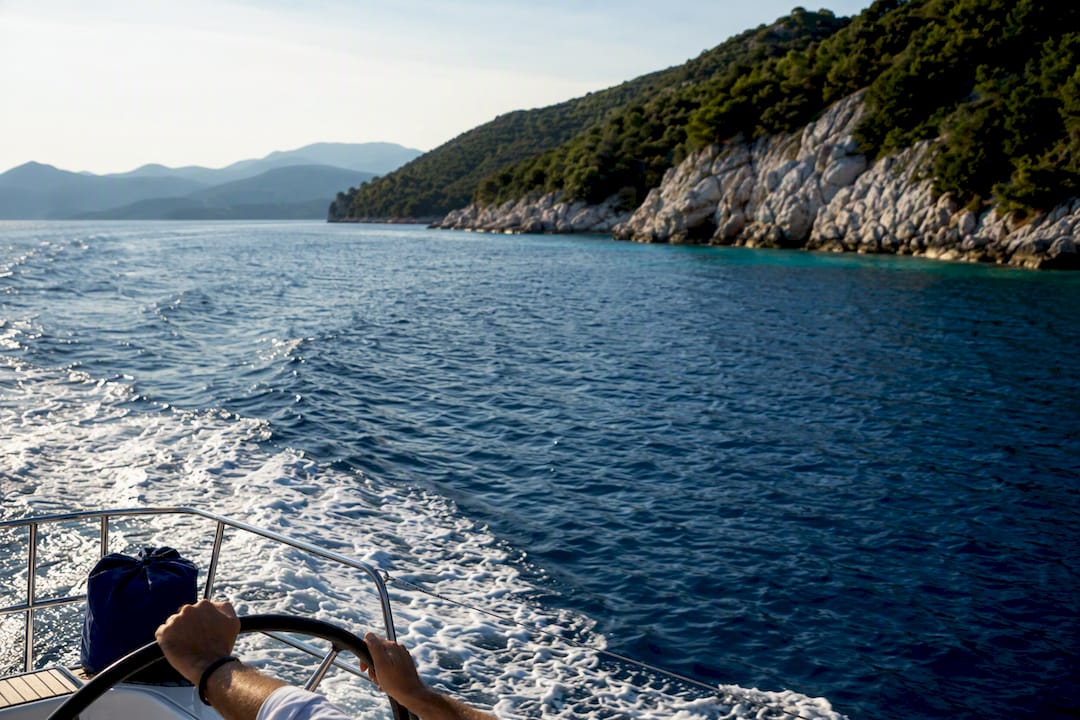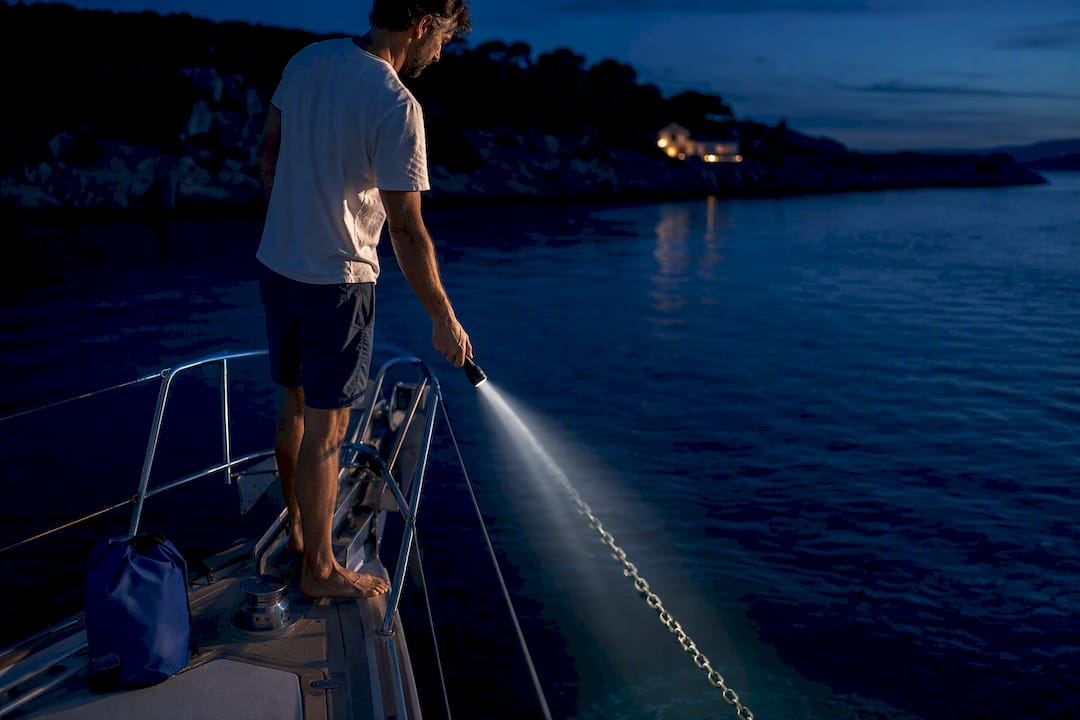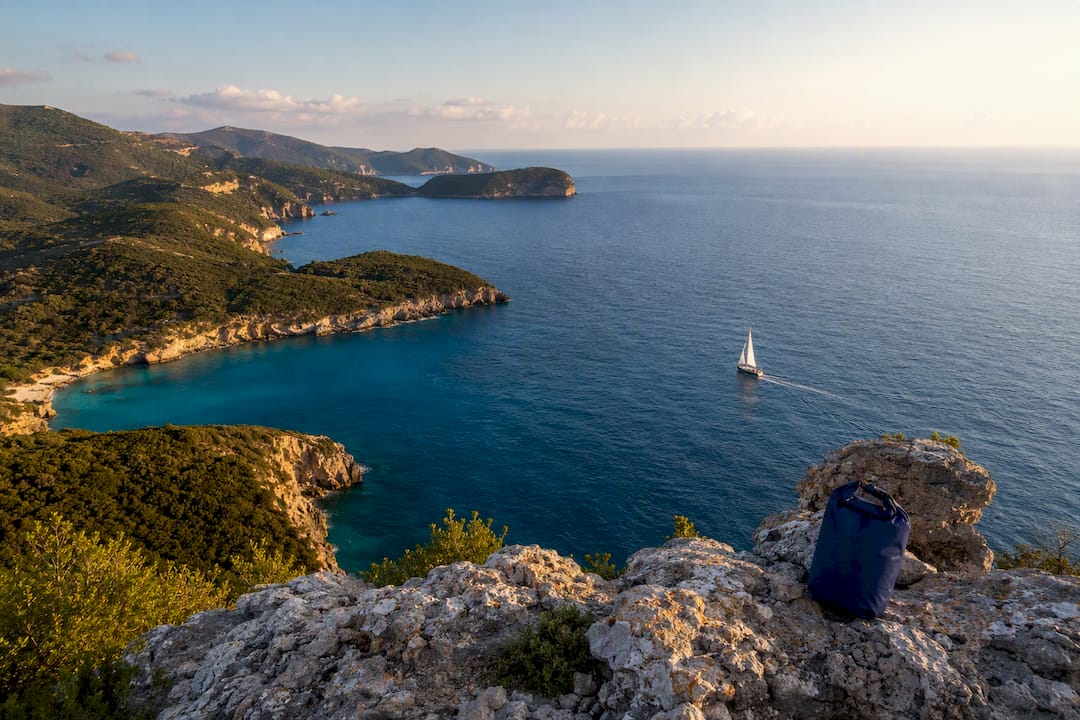
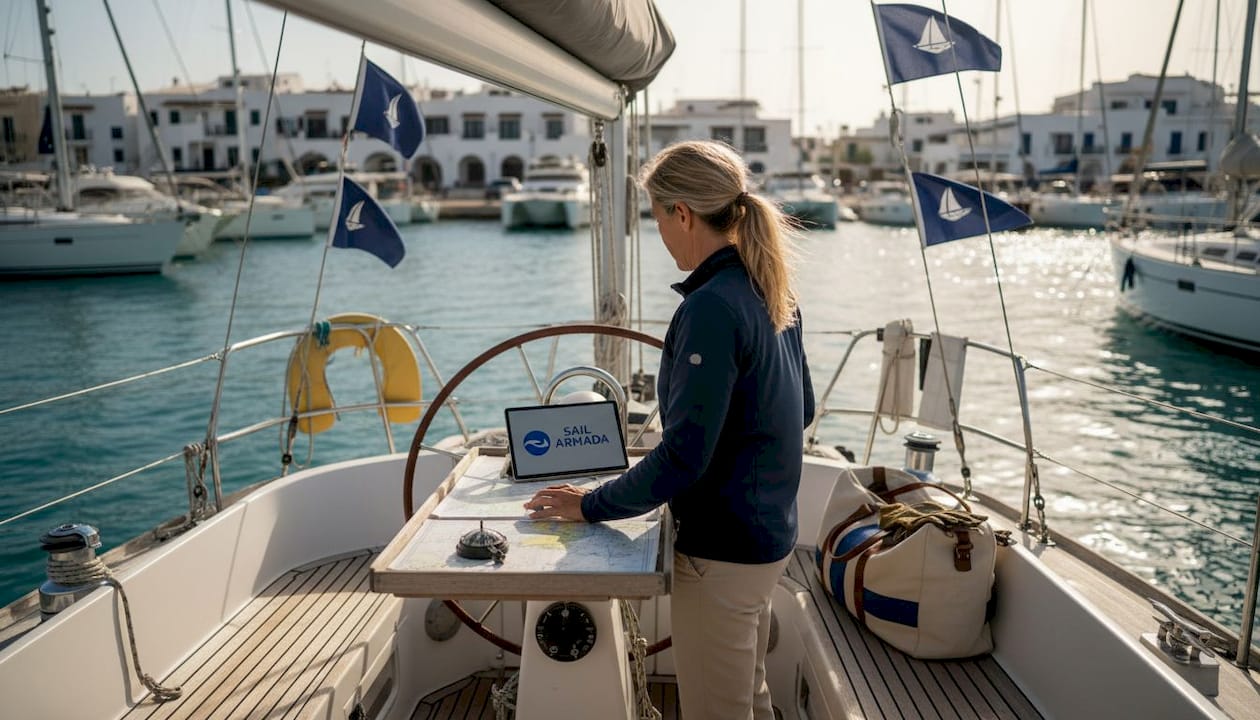
Most people assume that booking a yacht automatically comes with a crew, a skipper calling the shots, and someone else handling the anchor. That assumption is completely understandable, but it leaves out one of the most exciting ways to experience the Mediterranean: the bareboat charter. A bareboat charter puts you in the captain’s seat, giving you total control over where you sail, when you stop, and how you spend your days on the water. In this guide, you’ll learn exactly what a bareboat charter means, how it stacks up against skippered and crewed options, whether it suits your group, and how to prepare for the adventure of a lifetime.
Table of Contents
- Defining bareboat charter: The basics
- Bareboat vs. skippered vs. crewed charters: What’s the difference?
- Who should choose a bareboat charter?
- Essential responsibilities and skills for bareboating
- Customizing the bareboat experience: Add-ons and Mediterranean realities
- Why the bareboat charter’s real appeal is about freedom and confidence
- Ready to captain your adventure? Explore the best Mediterranean sailing options
- Frequently asked questions
Key Takeaways
| Point | Details |
|---|---|
| Hands-on adventure | Bareboat charters put you fully in charge for an authentic sailing experience. |
| Know your responsibilities | You’re responsible for navigation, safety, and all aspects of running the yacht. |
| Compare charter types | Bareboat charters differ from skippered and crewed charters in both responsibilities and freedom. |
| Consider skill requirements | Mediterranean charters may require specific sailing certifications or experience. |
| Customize your journey | You can add a skipper or additional services for a more tailored experience if needed. |
Defining bareboat charter: The basics
After addressing common myths about charters, let’s clarify what a bareboat charter truly involves. The name itself can throw people off. “Bareboat” doesn’t mean the yacht is stripped down or uncomfortable. It simply means the boat comes without a crew or provisions included.
According to Wikipedia, a bareboat charter is an arrangement where the renter hires the vessel without an included crew or provisions, and takes possession and full operational responsibility for what the contract specifies. You are, in every meaningful sense, the captain of your own ship.
Here’s what that means in practice:
- You’re legally responsible for the vessel during the charter period
- Navigation is your job, including route planning, anchoring, and docking
- Provisioning is on you, meaning you stock the boat with food, drinks, and supplies
- Basic maintenance during the trip falls under your care
- Insurance and safety are managed according to the charter agreement
For travelers who love the idea of real freedom on the water, this setup is genuinely thrilling. You’re not following someone else’s itinerary or waiting for a skipper to decide where to anchor. You choose your own secluded bay in Greece, you pick the timing, and you set the pace. It’s a totally different energy from a resort vacation.
“The bareboat charter experience is less about luxury service and more about personal command. The sea becomes your road, and the yacht your vehicle.”
That said, this freedom comes with genuine responsibility. If you’re drawn to the hands-on approach but aren’t quite sure you want to manage everything solo, you can always explore private sailing options that offer a middle ground between full autonomy and full service.
Pro Tip: Before signing a bareboat agreement, read the insurance clause carefully. Most charter companies require a security deposit that covers damage, and you want to understand exactly what’s protected and what isn’t.
Bareboat vs. skippered vs. crewed charters: What’s the difference?
Now that you know what a bareboat charter is, let’s compare it to other popular charter styles to help you understand where it fits. There are three main types of yacht charter experiences, and each one offers a very different kind of sailing holiday.
As noted on Wikipedia’s yacht charter overview, the core distinction is straightforward: in a bareboat, the vessel is provided without crew, and the skipper manages navigation and daily operation; in a skippered charter, a professional skipper is present; and in a crewed charter, a full staff comes aboard.
Here’s how those differences play out in real life:
- Bareboat charter: You hire the yacht only. You navigate, dock, provision, and manage the boat yourself. Best for experienced sailors who want maximum freedom.
- Skippered charter: A qualified skipper comes with the yacht. They handle navigation and boat operation, while you enjoy the ride without needing a sailing license.
- Crewed charter: A full crew, often including a skipper, chef, and sometimes a hostess, manages everything aboard. You show up, relax, and enjoy world-class service on the water.
| Feature | Bareboat | Skippered | Crewed |
|---|---|---|---|
| Crew included | No | Skipper only | Full crew |
| Provisions included | No | Usually not | Yes |
| Guest responsibilities | Full operation | Enjoy the sail | Total relaxation |
| Sailing license required | Yes, typically | No | No |
| Best for | Experienced sailors | Beginners or groups | Luxury travelers |
| Cost level | Lower | Mid-range | Higher |
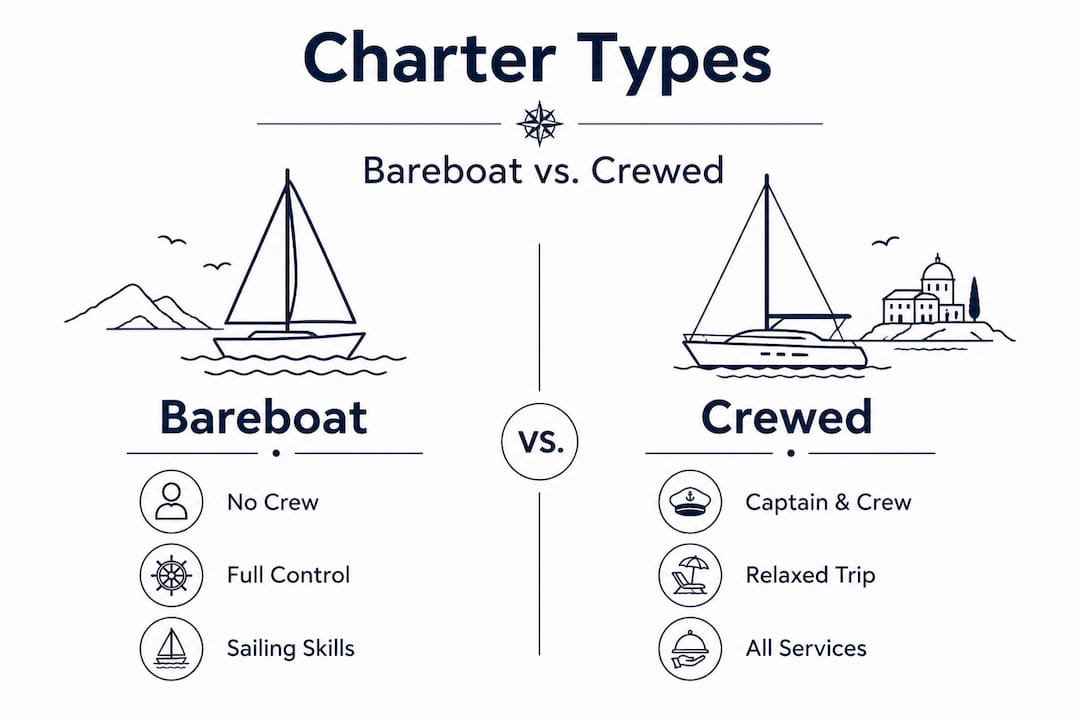
Choosing between these options really shapes your entire holiday. A crewed charter through crewed yacht charters feels closer to a floating boutique hotel, while a bareboat is more like renting a car and exploring on your own terms. Neither is better in an absolute sense. It depends entirely on your experience, your group’s dynamic, and what kind of memories you want to make.
If you’re new to chartering and want more guidance on all the options, the private yacht rental guide walks through the full picture with helpful context for first-timers and seasoned sailors alike.
Who should choose a bareboat charter?
Understanding the differences is key, but is a bareboat charter the best fit for your group or experience level? The honest answer is: not everyone, and that’s okay.
The typical bareboat charterer is someone who feels genuinely confident handling a sailboat or motorboat. They enjoy the challenge of navigation, they’re comfortable with unexpected situations at sea, and they want the adventure of discovering places on their own terms. They’re not looking for someone to handle things for them. They want to be the one handling things.
As highlighted on Wikipedia’s bareboating page, the charterer is responsible for navigation, docking, anchoring, and provisioning, while crewed options reduce the need for guest competence. That’s a meaningful distinction, and it’s worth being honest with yourself about where you fall.
A bareboat charter tends to be ideal if you:
- Hold a recognized sailing qualification such as an RYA Day Skipper or ASA 104 certification
- Have logged meaningful offshore or coastal sailing hours in the past
- Are traveling with friends or family who share your comfort level on the water
- Want total flexibility to change plans, skip busy ports, and linger in quiet anchorages
- Value the raw experience of handling a yacht over the convenience of having staff aboard
On the other hand, if you’re a first-time sailor or you haven’t been on a boat in years, a skippered or crewed charter is honestly the smarter and safer choice. There’s no shame in it. It’s actually how many experienced bareboat sailors started their journey. You can learn more about the step-by-step process in this guide on how to charter a yacht in the Mediterranean, which covers everything from picking a destination to signing the charter agreement.
Pro Tip: If you’re a capable sailor but your crew isn’t, you can often hire a local day skipper for particularly tricky passages or unfamiliar ports. It’s a practical way to stay mostly independent while adding a safety net where you need it.
Essential responsibilities and skills for bareboating
If you’re leaning toward a bareboat charter, it’s vital to know what skills and effort are really required. This is where the romantic vision of sailing meets practical reality. And the good news is that the reality, while demanding, is deeply rewarding.
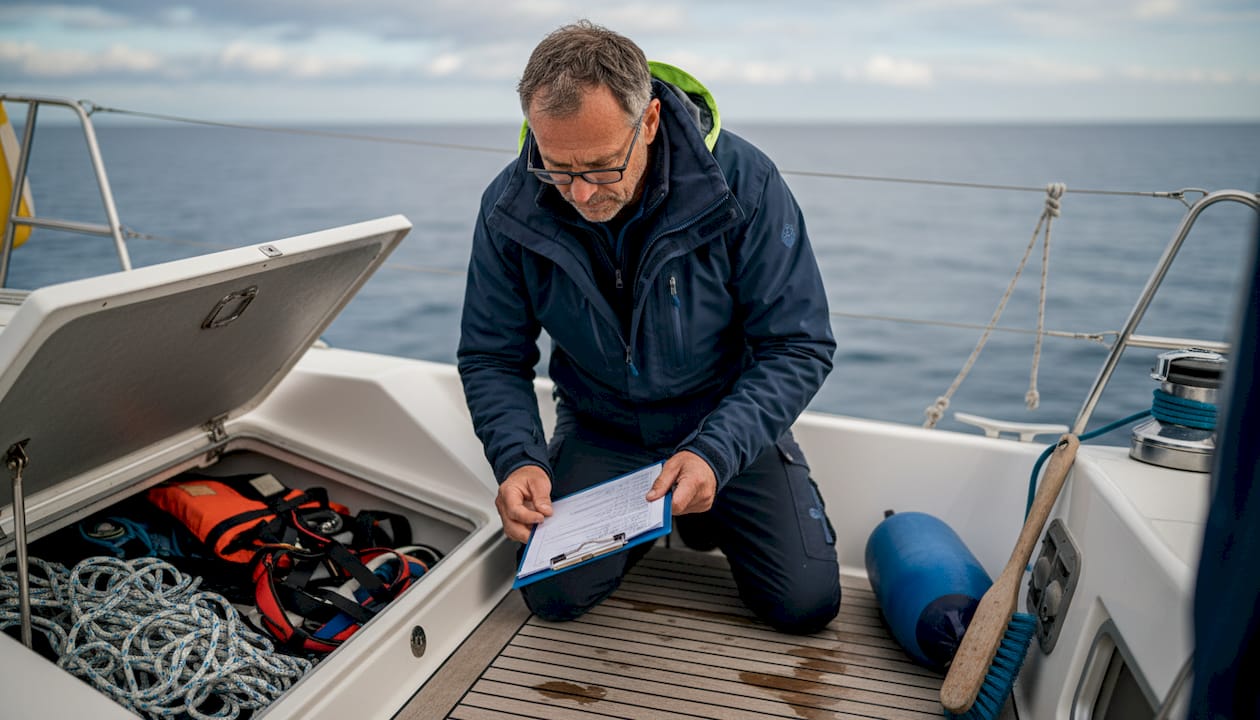
Charter companies frequently require proof of competency before handing over the keys to a bareboat vessel. That proof usually means a recognized sailing license and a VHF radio certificate, though requirements vary by country and company.
Here’s a breakdown of what you’ll actually be doing aboard:
- Navigation: Planning daily routes, reading charts, checking weather forecasts, and adjusting plans as conditions change.
- Docking and anchoring: Safely bringing the boat in and out of marinas, stern-to mooring (very common in the Mediterranean), and dropping anchor in open bays.
- Provisioning: Stocking the boat with enough food, water, and supplies before departure, and restocking as needed during the trip.
- Basic boat maintenance: Checking engine oil, monitoring fuel and water tanks, inspecting rigging, and handling minor issues before they become big problems.
- Safety management: Running safety briefings for your crew, knowing where emergency equipment is, and having a plan if something goes wrong.
| Skill | Why it matters | Quick tip |
|---|---|---|
| Chart reading | You need to know what’s underwater | Use digital charts plus paper backup |
| Docking (med mooring) | Tight marinas require precision | Practice in open water first |
| Weather reading | Mediterranean weather shifts fast | Check forecasts twice daily |
| Engine basics | Motors fail; you need to respond | Complete the charter company’s handover |
| VHF radio use | Required for emergencies at sea | Get certified before departure |
“The sea doesn’t care if you’re on vacation. Preparation is the difference between a brilliant adventure and a stressful one.”
Before you set sail, run through a solid pre-departure checklist that includes completing the boat handover with the charter company, checking all safety gear, filing a float plan, and testing all electronics. For a complete rundown, check out the guide on sailing holiday essentials to make sure nothing gets overlooked.
Customizing the bareboat experience: Add-ons and Mediterranean realities
Now that you know what it takes, let’s look at how you can tailor your Mediterranean bareboat experience to your comfort level. One of the biggest misconceptions about bareboat charters is that it’s strictly all-or-nothing. In reality, there’s quite a bit of flexibility.
As Wikipedia notes on bareboat charters, a bareboat can still allow add-ons such as hiring a captain or skipper for part or all of the charter, though this changes the responsibilities and the overall experience away from true do-it-yourself sailing. That’s an important nuance.
Common add-ons you can request when booking a bareboat include:
- Skipper for part of the trip: Great for tricky passages or unfamiliar waters
- Professional chef: Enjoy gourmet meals without giving up your sailing independence
- Provisioning packages: Charter companies or local services stock the boat for you before arrival
- Water toys: Kayaks, paddleboards, snorkeling gear, and even jet skis for bay days
- Transfers and airport pickup: Logistics support so the holiday starts the moment you land
The Mediterranean also has specific rules that vary by country. In Greece, for example, you’ll need to carry your sailing license aboard at all times. In Croatia, you must have the boat’s papers clearly displayed. Turkey and Italy each have their own port check-in procedures. These aren’t obstacles, they’re just part of the adventure of sailing internationally.
Choosing the right vessel also matters. Whether a catamaran or sailing boat works better for your group depends on the size of the crew, the destinations you have in mind, and whether you prioritize speed or space. Catamarans offer more deck room and stability, which is a big plus for families. Monohulls are more traditional, more nimble, and often less expensive.
Pro Tip: Always ask the charter company these three questions before you book: What is the security deposit and how is it returned? Are there any restricted sailing zones or compulsory courses on this route? What happens if the yacht needs a repair mid-trip?
Why the bareboat charter’s real appeal is about freedom and confidence
Here’s something most bareboat guides won’t tell you: the biggest reason people choose a bareboat charter has nothing to do with logistics. It’s about what happens to you internally when you’re fully in charge of a vessel at sea.
There’s a specific kind of satisfaction that comes from navigating your own course, finding an anchorage that isn’t in any tourist brochure, and sitting in the cockpit at sunset knowing that you got the boat there. That feeling doesn’t come from a crewed luxury yacht, no matter how gorgeous the food is. It comes from earned freedom.
We’ve seen it over and over: travelers who were nervous about bareboating before their first trip become completely hooked after it. The fear is mostly about self-doubt, not actual ability. Most sailors who hold a qualification and have a few trips under their belt are more capable than they realize. The ocean has a way of bringing out competence you didn’t know you had.
Bareboating also changes the way you connect with your travel companions. When you’re all working together, taking turns on watch, figuring out the anchor together, and exploring a village nobody planned for, something shifts. You stop being tourists and start being a crew. That dynamic is genuinely one of the most powerful parts of the experience.
And sometimes the best Mediterranean moment isn’t on any itinerary. It’s a tiny cove you spotted from a distance, a village you wandered into because the anchorage was nearby, or a sunset you caught because you adjusted your plans on a whim. A bareboat gives you the freedom to say yes to all of those moments. For a taste of what that freedom looks like across stunning landscapes, take a look at chartering in Greece and see why so many adventurous travelers keep coming back.
Ready to captain your adventure? Explore the best Mediterranean sailing options
If this guide has sparked something in you, you’re already thinking like a bareboat charterer. The next step is simple: start exploring your options with a team that understands what hands-on sailing is all about.
At Sail Armada, we work with experienced sailors and first-time charterers alike to find the right setup for every kind of adventure. Whether you’re looking for a private or group sailing holiday, planning a yacht group booking with friends, or browsing private yacht rental options across Greece, Croatia, Italy, and beyond, we can help you put together something genuinely memorable. Browse our destinations, compare vessel types, and reach out to our team for personalized recommendations tailored to your skill level and style.
Frequently asked questions
What documents or licenses do I need for a bareboat charter in the Mediterranean?
Most Mediterranean countries require a valid sailing license and a VHF radio certificate, and charter companies often require proof of competency before releasing a vessel to you.
Can I hire a skipper for just part of my bareboat charter?
Yes, you can. As noted on Wikipedia, hiring a captain for part of the trip is possible, though it shifts your responsibilities and moves the experience away from true do-it-yourself sailing.
What costs are not included in a bareboat charter?
Beyond the base rental fee, you’ll typically cover fuel, food and water, port fees, and sometimes end-of-trip cleaning. The charter agreement specifies which operating expenses fall to you, so read it carefully.
Is bareboating safe for first-time sailors?
Bareboating is best suited for sailors with real experience and qualifications. Beginners are safer with skippered or crewed charters, since charter companies may require proof of competency and the responsibilities at sea are significant.